
AI Helps Somalia Aid Agencies Spot Hunger Risks Before Crisis Deepens
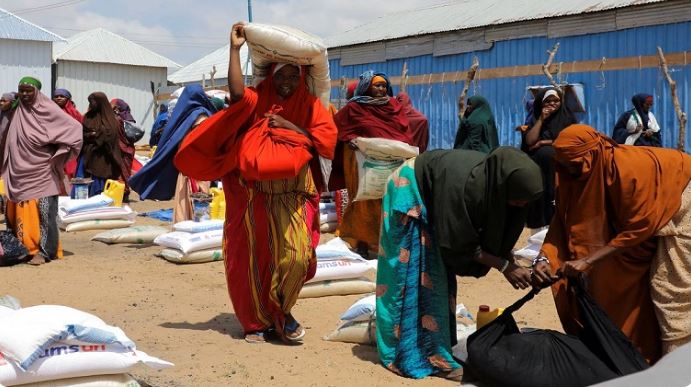
GOOBJOOG NEWS | MOGADISHU: The United Nations World Food Programme is using artificial intelligence and real-time data to identify parts of Somalia where hunger and malnutrition could worsen, allowing aid agencies to try to act before food shortages develop into a larger humanitarian crisis.
WFP’s HungerMap Live 2.0 combines information on rainfall and other climate conditions, flooding, food prices, conflict and nutrition to identify emerging food-security risks and help humanitarian workers decide where assistance may be needed most urgently.
The system uses machine learning and predictive modelling to provide early warnings about changing food-security conditions. WFP says the technology is designed to support, rather than replace, information collected by humanitarian workers and communities on the ground.
One of the areas where early warning has become particularly important is Burhakaba district in Somalia’s Bay region.
The district has been identified as being at risk of famine under a worst-case scenario, amid the effects of drought, poor agricultural production, conflict and limited humanitarian assistance. Around 6 million Somalis were projected to face crisis levels of acute food insecurity or worse between April and June, including nearly 1.9 million people facing emergency levels of hunger.
WFP says its use of predictive analysis is intended to help move humanitarian operations away from waiting for a crisis to become severe before responding.
That approach is becoming increasingly important in Somalia, where repeated droughts, floods, conflict and displacement have left millions vulnerable to food insecurity.
The latest WFP figures estimate that about 6.5 million Somalis are facing crisis levels of hunger or worse, while nearly 1.9 million children are affected by acute malnutrition.
EARLY ACTION
HungerMap Live, launched in its latest form by WFP in April, is designed to turn large amounts of information into forecasts that can help humanitarian organisations anticipate food needs.
The platform tracks food insecurity alongside climate hazards, economic shocks, nutrition and conflict, giving aid agencies a broader picture of the pressures facing communities.
For Somalia, where weather patterns can rapidly change the outlook for farmers and pastoralists, earlier information can be particularly valuable.
A failed rainy season can mean crop losses, livestock deaths, rising food prices and displacement. Conversely, heavy rainfall can bring flooding that damages crops and infrastructure and forces families from their homes.
WFP says early warning and anticipatory action can help humanitarian agencies respond to predictable shocks more effectively.
But technology alone cannot solve Somalia’s food crisis.
Humanitarian agencies continue to face major funding shortages, while the number of people needing assistance remains high. WFP’s new five-year strategy for Somalia says the combination of conflict, recurring climate shocks and declining donor resources has forced a rethink of how humanitarian assistance is delivered.
The challenge, therefore, is turning an early warning into early action — ensuring that when data indicates that a community is heading towards a food crisis, funding, food and nutrition services are available before the situation becomes critical.
For Somalia, the growing use of AI marks a shift towards that model: using technology not simply to measure hunger after it happens, but to anticipate where the next crisis could emerge and act earlier.