
Djibouti Shuts Somaliland Liaison Office, Citing Somalia’s Territorial Integrity
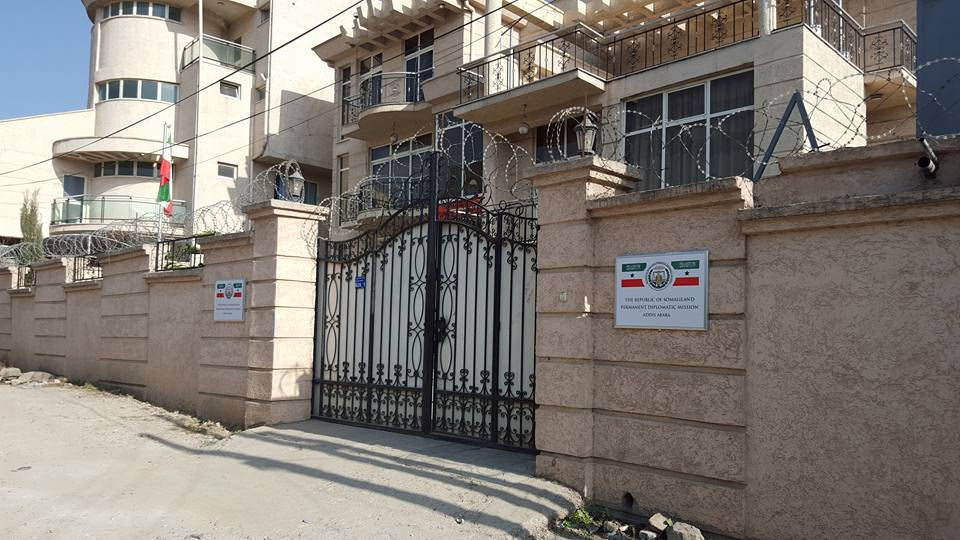
GOOBJOOG NEWS|DJIBOUTI: Djibouti has officially closed the Somaliland liaison office operating in its territory, describing the move as a step taken to defend the sovereignty and territorial integrity of the Federal Republic of Somalia.
In a statement issued by the Djiboutian government, authorities said they would not accept any actions that violate international law or undermine Somalia’s unity. The closure comes amid heightened regional tensions following Somaliland’s decision to establish diplomatic relations with Israel, a move Djibouti said runs counter to established international legal norms.
Djibouti stressed that its position is anchored in long-standing principles of international law, including respect for the sovereignty and territorial integrity of recognised states. The government added that recent developments around Somaliland’s external engagements had made its stance clear and unavoidable.
On its part, the Somaliland administration had earlier recalled its representative from Djibouti, signalling a sharp deterioration in relations between the two sides. The reciprocal steps effectively mark the lowest point in Djibouti–Somaliland ties in recent years.
The decision unfolds against the backdrop of a wider diplomatic fallout triggered by Israel’s announcement recognising Somaliland, a move that has been strongly opposed by Somalia and rejected by regional and international actors, including the African Union, IGAD, the Arab League and several individual states. Somalia argues that any recognition of Somaliland violates its sovereignty and contravenes international law.
Djibouti, a close neighbour and key regional player in the Horn of Africa, has consistently aligned itself with Somalia’s position, emphasising that stability in the region depends on respect for existing borders and internationally recognised statehood.
The closure of the Somaliland office adds to growing diplomatic pressure on Hargeisa as the recognition debate continues to reshape political alignments and regional relations in the Horn of Africa.