
Ethiopia Forces Take Alamata as Tigray Fighting Flares
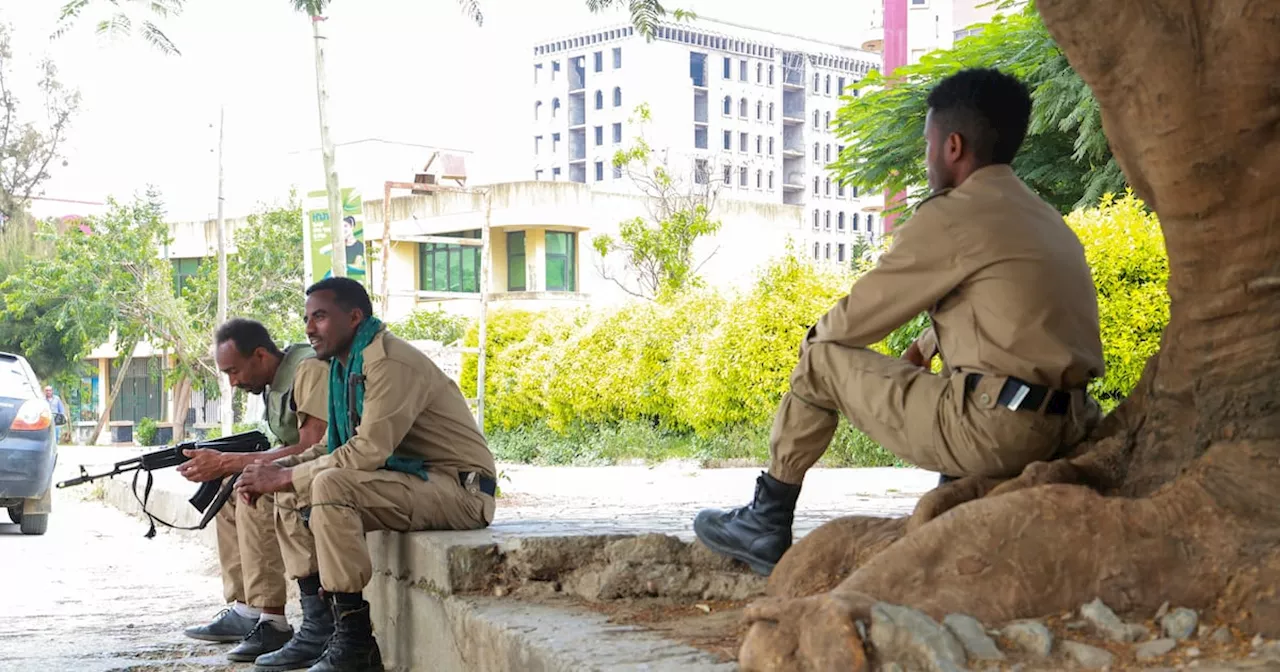
GOOBJOOG NEWS | ADDIS ABABA: Ethiopian government forces and allied fighters have captured the strategic town of Alamata in southern Tigray, according to pro-government forces and diplomatic sources, as renewed fighting with Tigrayan forces raises fears of a return to the wider war that devastated the region between 2020 and 2022.
Alamata, about 120km south of Tigray’s regional capital Mekelle, is an important transport and supply hub near the border with Amhara. Reuters reported that video evidence and diplomatic sources supported the account that federal forces and allied militias had entered and taken control of the town.
The development follows days of fighting between the Ethiopian National Defence Force and forces aligned with the Tigray People’s Liberation Front (TPLF) across Tigray and neighbouring parts of Afar and Amhara. Both sides have issued competing accounts of the battlefield, while communications disruptions have made independent verification of some claims difficult.
The fighting has also taken a heavy toll on civilians. Médecins Sans Frontières (MSF) said the number of war-wounded patients arriving at hospitals in Korem and Alamata rose from about 180 to more than 420 over a 48-hour period between September 22 and 25. At Suhul Hospital in Shire, more than 300 war-wounded people had arrived by September 25. MSF has since suspended its activities at Alamata Hospital because of the security situation and redirected staff to other facilities.
MSF said it was also monitoring displacement as people flee the fighting in Tigray, Amhara and Afar, warning that renewed hostilities are putting civilians’ access to healthcare at risk.
Telecommunications remain disrupted in parts of Tigray, with internet and telephone services affected. The communications blackout has complicated efforts to independently establish casualty figures, troop movements and control of contested locations. The rival sides have traded accusations over responsibility for the disruption.
The renewed fighting comes after the TPLF formed an alliance with six other armed groups seeking to challenge Prime Minister Abiy Ahmed’s government. The alliance has added a broader political dimension to the confrontation and increased concerns that fighting could involve several regions rather than remain confined to Tigray.
Ethiopia’s military chief, Field Marshal Birhanu Jula, has accused Eritrea, Sudan and Egypt of supporting forces opposed to the federal government. Sudan has rejected the accusation, while Eritrea has also denied allegations of involvement. The claims have not been independently established.
The accusations are particularly sensitive because relations between Addis Ababa and Asmara have deteriorated in recent years. Ethiopia’s interest in securing reliable access to the Red Sea has added another layer to already difficult regional relations, while Sudan is itself facing a devastating war.
The latest fighting has effectively shattered the fragile calm that followed the 2022 Pretoria peace agreement, which ended the previous two-year Tigray war. That conflict killed hundreds of thousands of people, according to different estimates, and caused widespread displacement and disruption to basic services.
The African Union, the United Nations and other international actors have called for restraint and dialogue as the latest fighting continues. The renewed violence has raised concerns that a prolonged confrontation could deepen humanitarian needs and destabilise neighbouring regions already affected by conflict.
For now, the extent of territorial changes remains fluid, while casualty figures and reports from some battlefronts remain difficult to verify independently because of the communications restrictions.