
EU Naval Shortage Raises Concerns over Red Sea Shipping and Trade Routes near Somalia
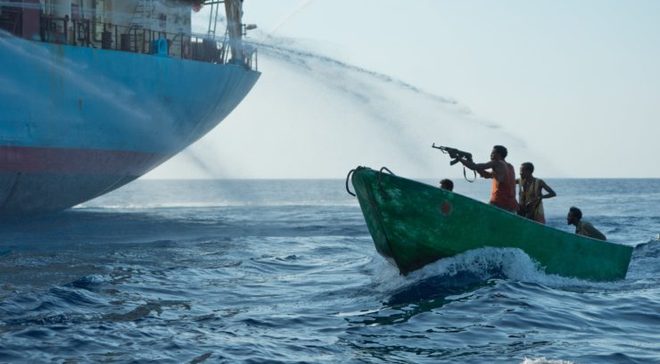
GOOBJOOG NEWS | BRUSSELS: The European Union is facing pressure to strengthen its naval presence in the Red Sea as attacks on commercial shipping and limited warship availability complicate efforts to protect one of the world’s most important maritime trade routes.
Senior EU officials met in Brussels to discuss shipping threats, security around the Bab el-Mandeb Strait and the future of the bloc’s naval mission, Operation Aspides, amid concerns that its current resources may be insufficient to meet operational demands.
The meeting was led by Olof Skoog, deputy secretary-general of the European External Action Service, and brought together EU special representatives responsible for the Horn of Africa, the Red Sea and the Gulf.
Launched in February 2024, Operation Aspides was established to help protect commercial vessels from attacks, particularly those carried out by Yemen’s Houthi movement in the Red Sea and surrounding waters.
The mission has faced pressure over the number of warships available for escort and protection duties. EU foreign policy chief Kaja Kallas has said that at least 10 ships would be needed to provide adequate coverage, while the force has reportedly operated with around six warships.
The shortfall has complicated escort arrangements for some commercial vessels and increased pressure on EU member states to contribute additional ships and defensive capabilities. Naval resources are also in demand elsewhere, including in the Baltic and Black seas, limiting the capacity available for deployment to the Red Sea.
The security of the Bab el-Mandeb Strait is particularly important to Somalia, whose maritime trade and access to international markets are closely linked to shipping through the Gulf of Aden and the wider Red Sea corridor.
Prolonged disruption in these waters could raise shipping and insurance costs, prompt some operators to take longer routes and increase the cost of imported goods, including fuel and essential commodities. The scale of any impact on Somalia would depend on the duration and severity of disruption.
However, Operation Aspides is distinct from the EU’s Operation Atalanta, which has a mandate to combat piracy off Somalia’s coast and protect vulnerable shipping in the western Indian Ocean and Gulf of Aden.
The distinction is important as international naval forces face several maritime security challenges across waters linking East Africa, the Middle East and Europe.
The Brussels discussions highlight the pressure on European naval capabilities as governments seek to protect commercial shipping while balancing competing security priorities. Any lasting improvement in maritime security will depend not only on diplomatic coordination but also on the ships, personnel and equipment member states are prepared to commit.