
Fighting Intensifies In Northern Ethiopia As Tigray Conflict Spreads
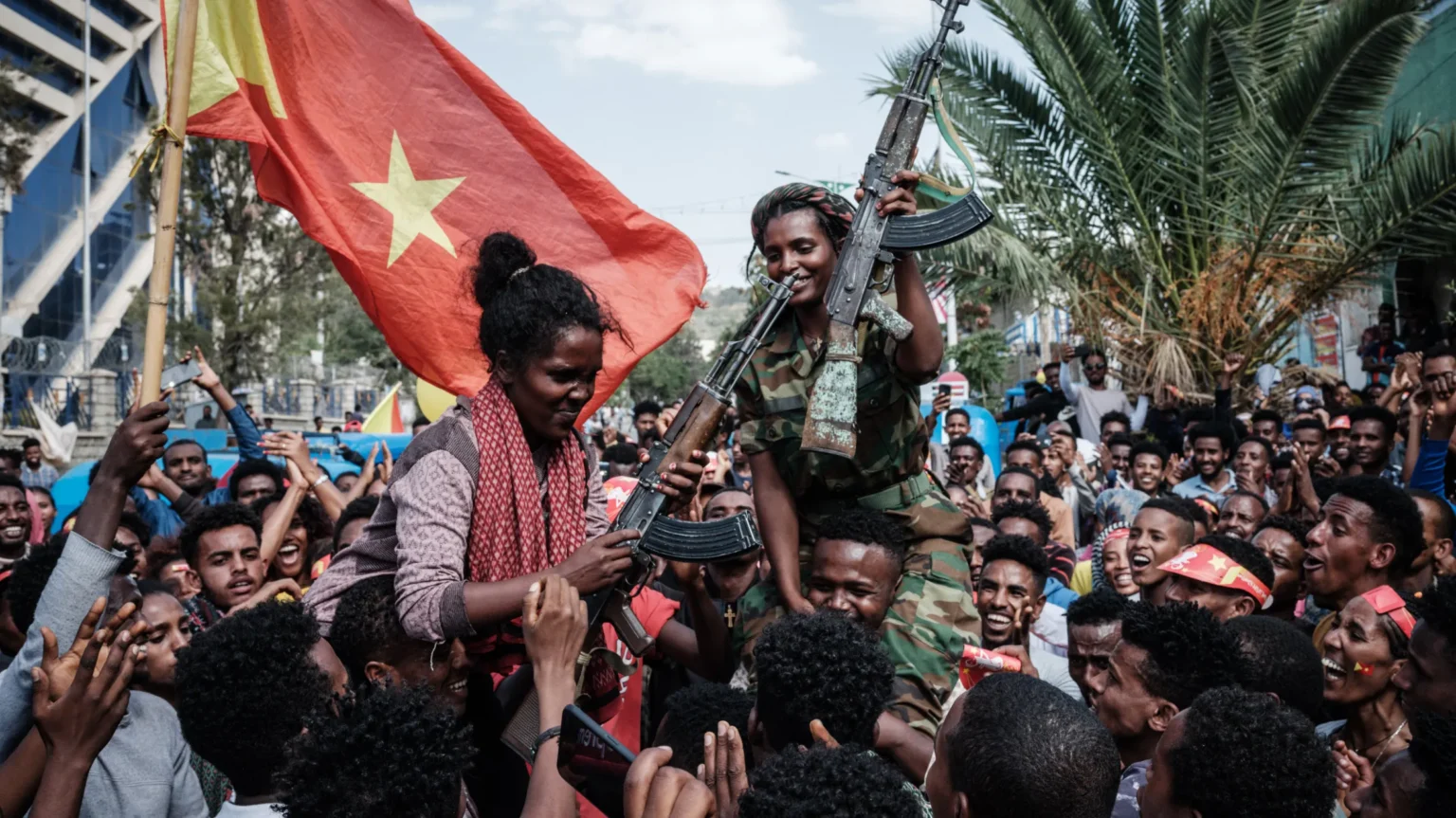
GOOBJOOG NEWS | ADDIS ABABA: Fighting between Ethiopian federal forces and Tigrayan forces has intensified across northern Ethiopia, with clashes spreading into neighbouring Afar and Amhara regions and raising fears of a return to the wider war that devastated the country less than four years ago.
At least 52 civilians were killed during three days of fighting around Alamata, according to hospital sources cited by the BBC, although the figure has not been independently verified. Communications disruptions and restricted access to the affected areas are making it difficult to establish the full scale of the casualties.
The renewed fighting has placed the November 2022 Pretoria peace agreement under severe strain. The accord ended the two-year war between the federal government and the Tigray People’s Liberation Front (TPLF), but tensions between Addis Ababa and Tigray have remained unresolved.
Médecins Sans Frontières said the number of war-wounded patients arriving at hospitals in Korem and Alamata rose from about 180 to more than 420 between September 22 and 25. More than 300 wounded people were also reported at Suhul Hospital in Shire.
MSF has suspended activities at Alamata hospital because of insecurity, further limiting access to medical care as fighting continues.
Federal and allied forces have regained ground around Alamata, while clashes have also been reported farther north and east as the fighting spreads beyond Tigray.
The conflict has increasingly moved beyond Tigray’s traditional boundaries.
Tigrayan and allied forces have advanced into Afar, with Erebti reportedly captured after heavy fighting. The advance has raised concern over Ethiopia’s main trade connection to the port of Djibouti.
The route is strategically important to landlocked Ethiopia because Djibouti handles the vast majority of the country’s international trade cargo, including fuel. Any sustained disruption could therefore have consequences well beyond the immediate battlefield.
Fighting has also been reported in Amhara, including around North Wollo, as forces aligned with the Tigrayan side and Amhara armed groups confront federal troops.
The escalation follows the formation of the Ethiopian Peoples’ Forces Alliance for Survival, a coalition involving the TPLF and several other armed groups, including Amhara Fano and the Oromo Liberation Army.
The groups have different political and territorial interests, but have declared a common objective of challenging Prime Minister Abiy Ahmed’s government. Reuters has reported divisions within the coalition, however, with questions over its cohesion and the extent to which all of its members support the renewed military campaign.
The fighting has also reopened tensions between Ethiopia and its neighbours.
Ethiopian army chief Field Marshal Birhanu Jula has accused Eritrea, Sudan and Egypt of supporting forces fighting the federal government.
Eritrea and Sudan have rejected the allegations, while Egypt has also denied claims that it is supporting the armed groups. No independent evidence has established the extent of any external military support.
The accusations come against a backdrop of deteriorating relations between Addis Ababa and Asmara. Eritrea fought alongside Ethiopian federal forces during the 2020-2022 Tigray war, but relations have since sharply deteriorated.
Ethiopia’s pursuit of access to the Red Sea has added another layer to the tensions, particularly its efforts to secure maritime access through neighbouring countries.
HUMANITARIAN CONCERNS
The renewed fighting has already displaced large numbers of people.
Humanitarian sources cited by international media estimate that about 150,000 people have been displaced in Afar, although precise figures remain difficult to establish.
Telecommunications disruptions in Tigray have further complicated efforts to monitor the conflict, while shortages and fears of renewed restrictions on food, medicine, banking and humanitarian access have increased among residents.
The previous Tigray war, fought from 2020 to 2022, resulted in an estimated hundreds of thousands of deaths from fighting, hunger and the collapse of health services.
The prospect of another prolonged conflict has prompted renewed international calls for restraint.
The African Union has urged the parties to immediately de-escalate and return to dialogue under the framework of the Pretoria agreement, while the United Nations has warned that continued escalation could produce a broader and more devastating conflict.
For Ethiopia, the immediate challenge is containing a conflict that is no longer confined to Tigray. For the wider Horn of Africa, the spread towards Afar and the country’s vital Djibouti trade corridor adds an economic and regional dimension to a crisis that is already producing a growing humanitarian toll.