
Fuel Prices Surge in Mogadishu as Gulf War Sends Shockwaves Through Local Economy
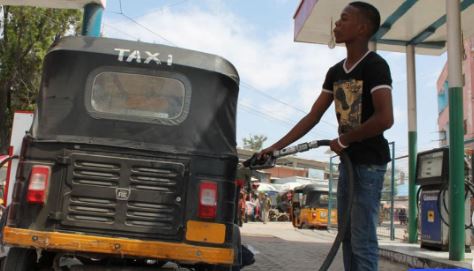
GOOBJOOG NEWS|MOGADISHU: Mogadishu is experiencing a sharp spike in fuel prices as the ongoing conflict in the Gulf region disrupts global oil markets, sending immediate economic shockwaves through Somalia’s capital.
Within hours, fuel prices in Mogadishu climbed to about $1.50 per liter, up from roughly $0.65 per liter just days earlier, representing an increase of more than 80 percent. The sudden surge has hit hardest among the thousands of young men who operate tuk-tuks, locally known as Bajaj, which form the backbone of Mogadishu’s urban transport system.
For many drivers, the price jump has quickly turned a modest livelihood into a financial struggle.
Drivers say the money they normally bring home to support their families is now being consumed by the rising cost of fuel. Yet despite the sharp increase in operating expenses, passenger fares have largely remained unchanged because of intense competition among drivers.
As a result, some Bajaj operators have begun suspending their services, while others say they are considering abandoning the trade entirely because their daily costs now exceed their earnings.
The price surge comes as the ongoing conflict involving the United States and Iran threatens energy supply routes across the Gulf region, one of the world’s most critical oil transit corridors. Fears of supply disruptions have already caused volatility in global oil markets, with import-dependent countries such as Somalia feeling the effects almost immediately.
Somalia imports nearly all of its refined petroleum products, leaving the domestic market highly exposed to external shocks. Without strategic fuel reserves or strong price regulation mechanisms, global crises often translate quickly into price spikes in the local market.
The impact is not limited to drivers. Residents who rely on Bajajs for daily commuting are also beginning to feel the strain, raising concerns that the rising cost of transportation could soon push up the prices of food and other essential goods.
Economists warn that if the conflict in the Gulf continues to escalate, transport costs could trigger wider inflation across Mogadishu’s markets, as nearly all goods entering the city depend on road transport.
For now, many Bajaj drivers say they are waiting anxiously for the situation to stabilize, fearing that a prolonged fuel crisis could wipe out their only source of income.