
How International Media Is Covering Mogadishu’s Local Council Elections
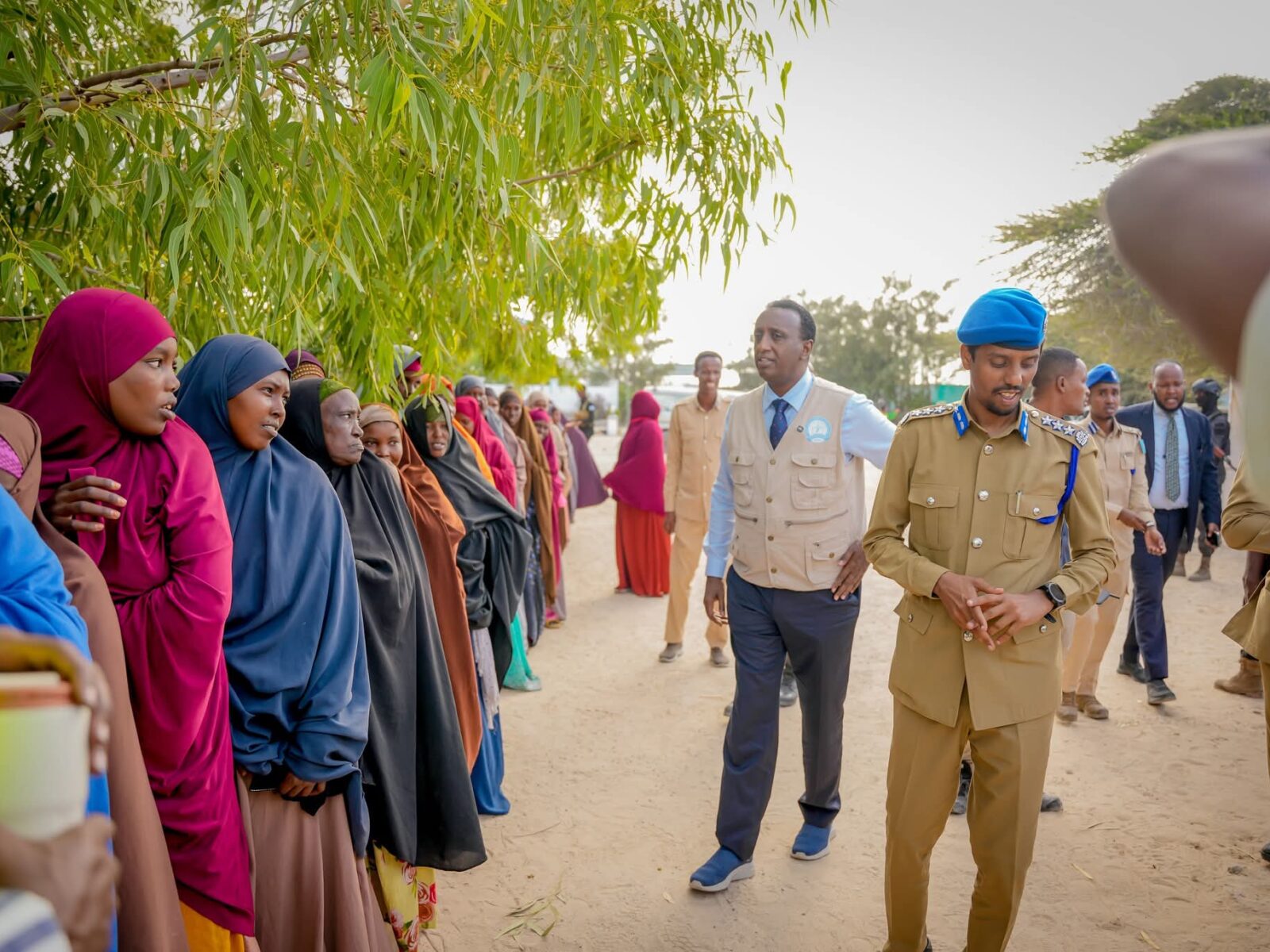
GOOBJOOG NEWS|MOGADISHU: International media outlets are treating Mogadishu’s local council elections as a rare political milestone for Somalia, framing the vote as a cautious return to direct civic participation after more than five decades without one-person, one-vote elections in the capital.
Reuters described the polls as “the first step toward restoring universal suffrage,” noting that Mogadishu has not held a direct municipal election since 1969 and that the exercise is being closely watched as a test run ahead of national elections planned for 2026. The agency portrayed the vote as symbolically significant, while stressing that it is unfolding under tight security and amid unresolved political disputes.
The Associated Press similarly highlighted the historic nature of the elections, reporting that voting took place across all 16 districts of the capital. AP framed the exercise as a major break from Somalia’s long-standing clan-based indirect selection system, while also noting that opposition groups have rejected the process, arguing it lacks consensus and risks consolidating power.
The BBC, through its Africa coverage, has also emphasized the historical weight of the vote. In pre-election reporting and social media updates, BBC News Africa described the Mogadishu polls as the first one-person, one-vote election in Somalia since 1969, underscoring their symbolic importance in a country where generations have grown up without direct electoral participation. The BBC framing places the elections within a broader narrative of political transition rather than day-to-day security developments.
Regional media have echoed these themes. Kenya’s Daily Nation characterized the elections as a “test case” for Somalia’s wider democratic ambitions, noting that the vote is being closely followed across the Horn of Africa as an indicator of whether Somalia can sustain direct elections beyond the capital.
Coverage by TRT Afrika focused heavily on election-day preparations, reporting extensive security deployments across Mogadishu and movement restrictions aimed at safeguarding polling stations. The outlet noted that the vote was taking place amid heightened security concerns, a recurring feature in foreign reporting on Somalia’s political processes.
Arab media, citing AFP, also emphasized the scale and sensitivity of the exercise, reporting that hundreds of thousands of residents had registered to vote and that the elections had been postponed several times this year. These reports framed the polls as politically significant but contested, reflecting broader debates about Somalia’s electoral roadmap.
However, official figures released by Somalia’s National Independent Electoral and Boundaries Commission offer a more detailed picture of participation than that reflected in much of the international coverage. According to the commission, 944,058 people registered to vote across Mogadishu’s 16 districts. Of these, 511,812 voters collected their voting cards and were eligible to cast ballots on election day, leaving a gap of 432,246 registered individuals — about 46 percent — who did not complete the final step required to vote.
The gap between registration and final eligibility has received limited attention in foreign reporting, but election officials and observers say it reflects a combination of logistical challenges, limited public familiarity with voting procedures, and broader political apathy in a city where many residents, particularly older citizens, are encountering elections for the first time.
Despite these limitations, international outlets have largely portrayed the Mogadishu vote as a moment of political significance rather than a definitive measure of democratic success. By emphasizing both the milestone and the constraints, foreign media coverage presents the elections as an early and imperfect step in Somalia’s long effort to reintroduce direct representation after decades of indirect governance.