
Iran’s New Supreme Leader: Who Is Mojtaba Khamenei?
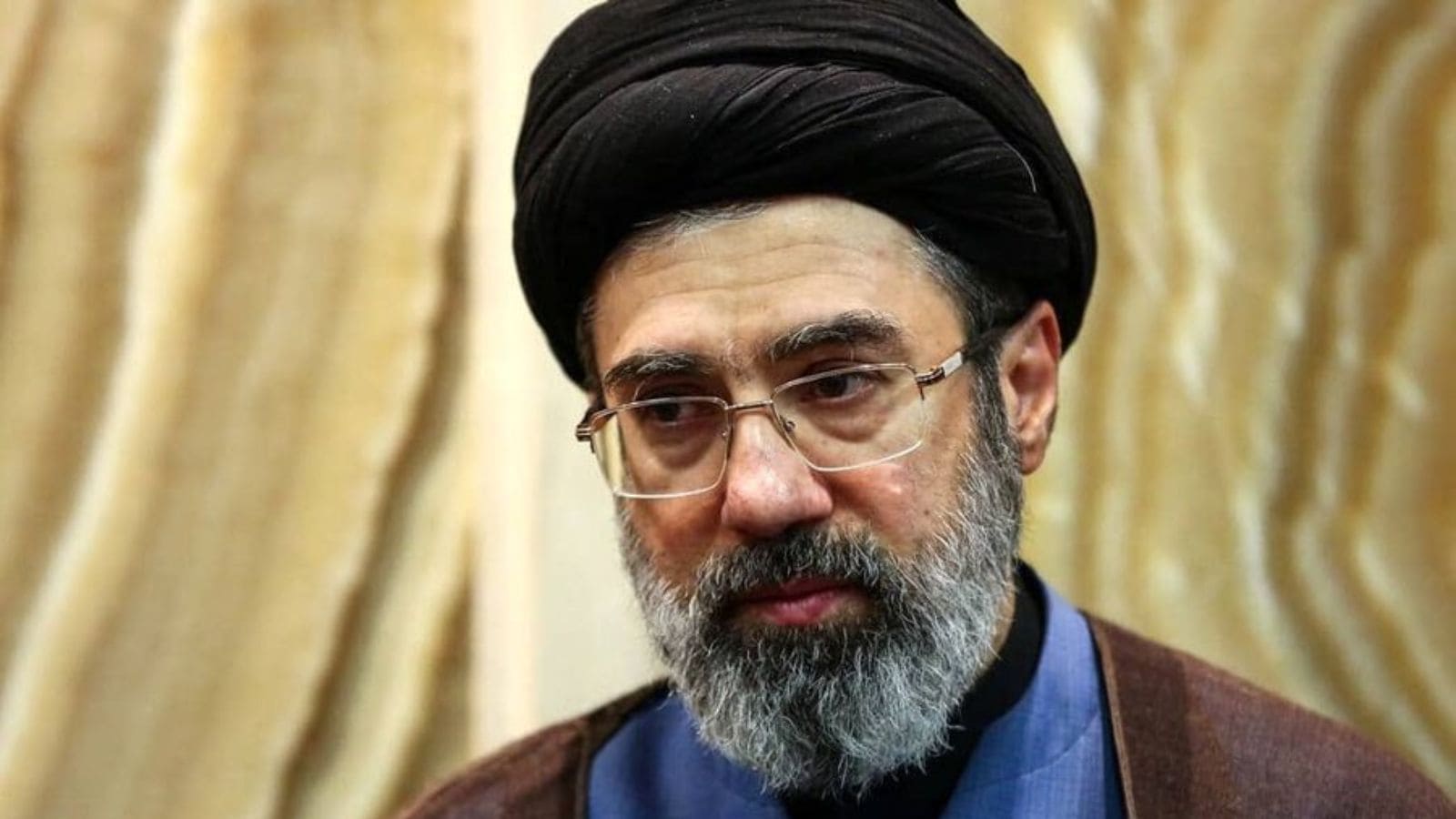
GOOBJOOG NEWS|TEHRAN: Iran has a new supreme leader — and his ascent to power says as much about the moment as the man himself. On March 8, Iran’s Assembly of Experts announced Mojtaba Khamenei as the country’s third supreme leader, just days after his father, Ayatollah Ali Khamenei, was killed in strikes on his compound in Tehran on February 28, launched jointly by the United States and Israel. Also killed in that strike were Mojtaba’s mother, wife, and one of his sisters. The younger Khamenei was reportedly not present.
A Man of Shadows
At 56, Mojtaba is expected to be more hardline than his father. He has spent decades operating in the shadows of Iran’s theocratic system, influential but deliberately obscure. He has not given public lectures, Friday sermons, or political addresses, to the point that many Iranians have never heard his voice, despite being widely known as a rising force within the establishment.
A Military Man
His path to power runs squarely through the military. He joined the Islamic Revolutionary Guard Corps in 1987 and served in the Iran-Iraq War. Those ties have only deepened since, with IRGC commanders reportedly pressuring Assembly of Experts members to vote for Mojtaba, through repeated contacts and political pressure on the clerical body.
A Controversial Appointment
His election was not without controversy. Iran’s ruling ideology frowns on hereditary succession, and Ali Khamenei was reportedly deeply opposed to his son’s appointment, fearing it would bring back a monarchy-like structure to the Islamic regime. Mojtaba also faces questions about his religious qualifications. He holds the rank of hojatoleslam, a mid-level clerical title, rather than ayatollah. His father faced a similar credibility gap when he took power in 1989, and the law was amended to accommodate him. A similar workaround is expected for Mojtaba.
A Signal to Washington and Tel Aviv
Analysts say his appointment signals Iran has no appetite for compromise. One regional expert described the appointment as an act of defiance, saying Iran was telling Washington and Tel Aviv that its response to the killing of the old supreme leader was a more radical one. President Trump called the choice unacceptable and suggested he wanted involvement in selecting the new leader, a demand Tehran flatly rejected.
Iran’s military and political leaders have since pledged allegiance to Mojtaba Khamenei as strikes continue across the country. Whatever his legitimacy at home, he now leads Iran through the gravest crisis the Islamic Republic has faced since its founding.