
Kenya to Open Passport Centres in Mombasa and Garissa As Government Moves To Establish Waqf Commission
GOOBJOOG NEWS | NAIROBI: Kenya will open new passport application centres in the coastal city of Mombasa and the north-eastern town of Garissa, while moving ahead with plans to establish a national Waqf Commission, President William Ruto has announced, in a series of measures aimed at improving government services for the country’s Muslim communities.
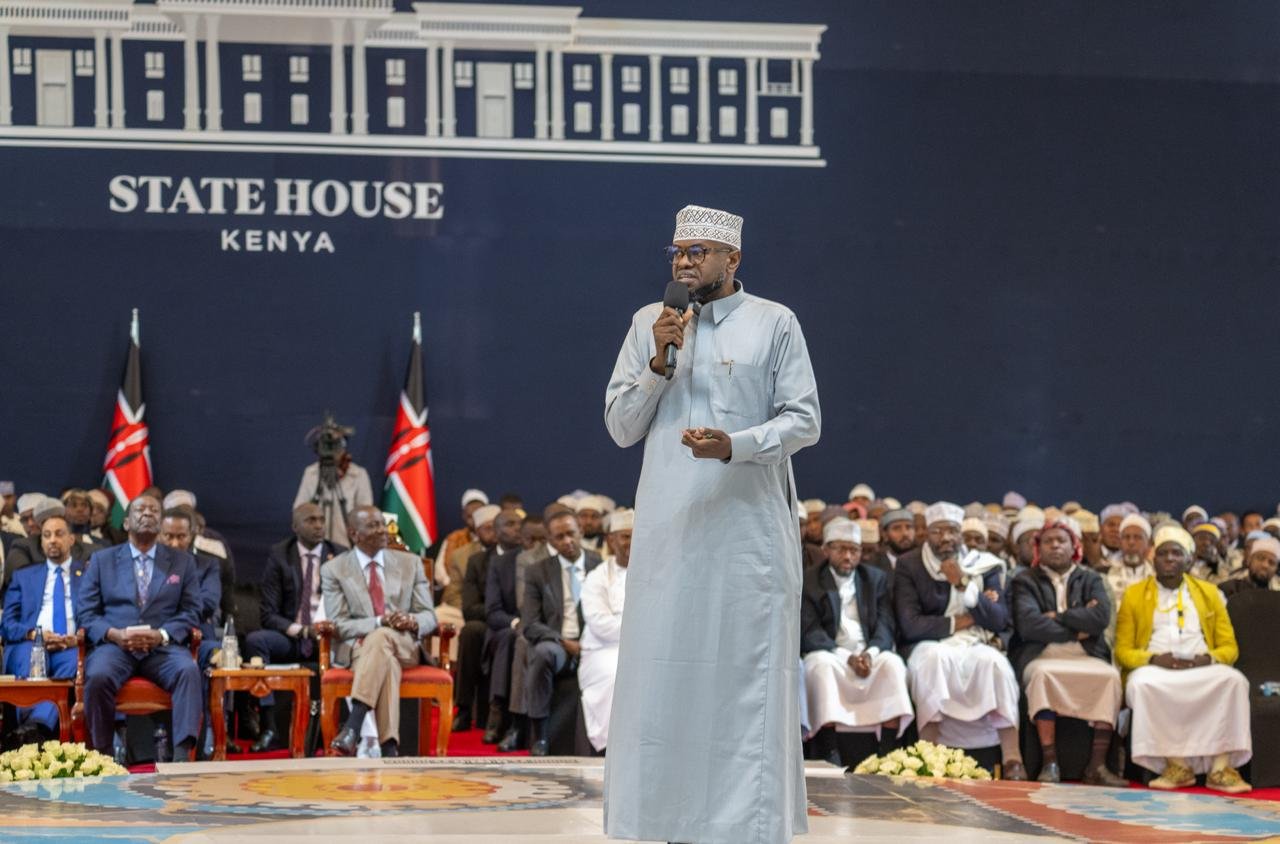
The announcement was made during a meeting at State House in Nairobi attended by more than 9,000 Muslim religious leaders from across Kenya.
President Ruto said the new passport centres are intended to make it easier for thousands of Kenyans, particularly those living in the Coast and north-eastern regions, to obtain travel documents without travelling long distances to Nairobi.
The government will also establish a Kenyan Consulate-General in Jeddah to strengthen consular services for citizens travelling to Saudi Arabia for Hajj and Umrah, one of the world’s largest annual religious pilgrimages.
For many Muslims in Kenya, particularly in the Coast and north-east, the new passport facilities and expanded consular services are expected to reduce travel costs, shorten processing times and simplify preparations for pilgrimage.
The president also announced that the government has begun the process of establishing a Waqf Commission, a long-awaited institution that would oversee and protect Islamic charitable endowments.
A waqf is a religious endowment in which land, buildings or other assets are dedicated for charitable or religious purposes, with the proceeds often used to support mosques, schools, hospitals and assistance for vulnerable families. Muslim leaders have for years called for a dedicated legal framework to safeguard such assets and improve transparency in their administration.
Ruto said the government is also working towards formally recognising Madrasas and Duksis within Kenya’s education system, another issue that has featured prominently in discussions between Muslim organisations and successive governments.
The announcements were welcomed by many religious leaders attending the gathering, who have long argued that easier access to government services and stronger legal recognition of Islamic institutions would help address historical concerns raised by Muslim communities.
The measures are particularly significant for residents of Garissa, Wajir and Mandera counties, where many people have historically travelled hundreds of kilometres to access passport services. The region, which borders Somalia, maintains strong family, commercial and religious ties across the Horn of Africa, making cross-border travel an important part of daily life for many residents.
The establishment of a Waqf Commission has also been a longstanding request from Muslim organisations, which argue that better oversight of religious endowments would help preserve community assets for future generations and strengthen public confidence in their management.
The announcements came as President Ruto outlined a broader agenda for Kenya’s future beyond Vision 2030, including plans for a National Development Charter that he said would guide the country’s long-term development priorities. The passport centres and Waqf Commission formed part of a wider package of commitments aimed at improving public service delivery and engagement with faith communities.
Kenya’s Muslim population, estimated at around 10% of the country’s more than 55 million people, is concentrated largely along the Coast and in the north-east, although sizeable communities also live in Nairobi and other urban centres. Community leaders have long called for improved access to public services, stronger institutional recognition and greater inclusion in national development.
Attention will now turn to when the passport centres become fully operational and how quickly legislation establishing the Waqf Commission is brought before Parliament, as religious leaders and community organisations monitor the implementation of the government’s commitments.