
Nepal Floods: Death Toll Rises as Hundreds Remain Missing
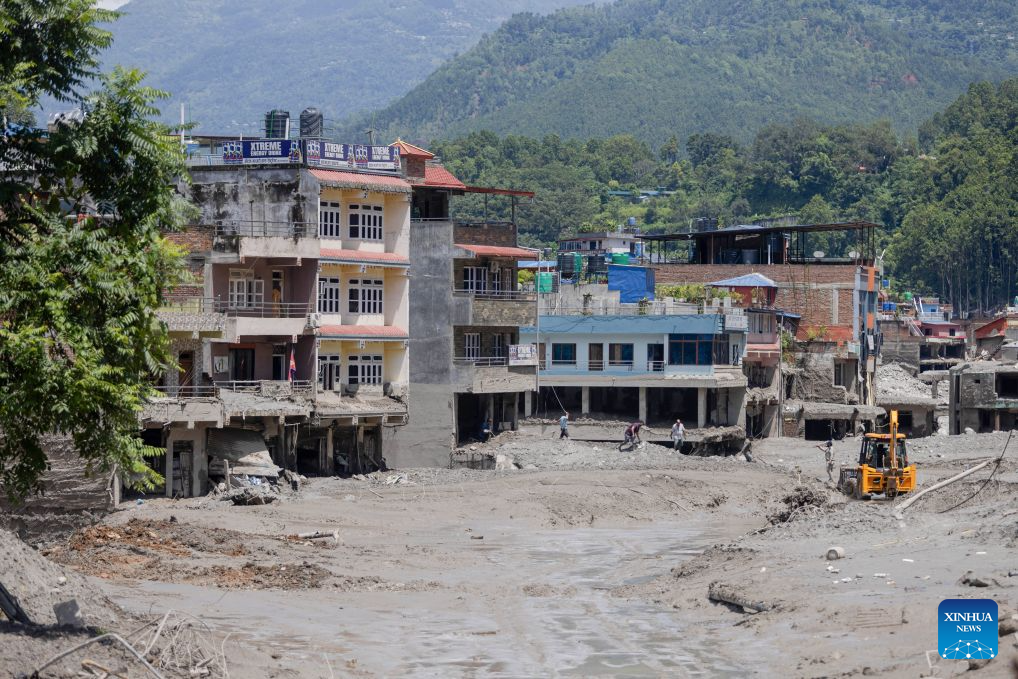
GOOBJOOG NEWS | KATHMANDU: The death toll from devastating flash floods in Nepal has risen sharply, with hundreds of people still missing as rescue teams search through areas cut off by damaged roads and bridges.
Nepal’s National Disaster Risk Reduction Management Authority initially reported that 359 bodies had been recovered and 910 people remained missing by Thursday evening. However, latest figures released by Nepal Police put the confirmed death toll at 469, highlighting how rapidly authorities are revising the scale of the disaster as search teams reach more affected areas.
The floods struck on 26 August after what preliminary assessments suggest was an ice and rock avalanche in the Himalayas that caused a sudden surge of water through the Lhende Khola and into downstream river systems. The torrent swept away homes, roads and bridges and severely damaged infrastructure along the river corridor.
Nepal’s army, police and armed police have been deployed in the worst-hit areas, with helicopters being used where conditions allow. Rescue teams have faced major difficulties reaching remote communities because sections of the road network and bridges have been destroyed.
The Nepal Tourism Board said 31 foreign nationals had been rescued, while authorities have asked families of missing people to report to police stations with identifying information to assist the search and identification process.
The disaster has also affected foreign visitors and pilgrims travelling through the Himalayan region. Reuters reported that hundreds of foreigners were among those initially reported missing, including people travelling towards the sacred Mount Kailash area.
There are concerns that the emergency could worsen. Authorities have warned of rising water behind debris-dammed lakes created by the disaster, raising the possibility of further flooding downstream.
CHANGING ENVIRONMENT
The floods have renewed attention on the growing risks faced by communities in the Hindu Kush Himalayas, where glaciers, frozen ground and mountain slopes are becoming increasingly unstable as temperatures rise.
Scientists say warming conditions can increase the likelihood of glacier-related avalanches, landslides and sudden floods. The region contains thousands of glaciers that feed major river systems across Asia, making such events a threat not only to mountain communities but also to populations far downstream.
For now, Nepal’s emergency services remain focused on finding survivors and accounting for those missing. The rapidly changing casualty figures are expected to provide a clearer picture of the disaster as rescue teams gain access to isolated areas.
Additional reporting by Agencies