
Obituary: Ayatollah Ali Khamenei, 87 Years Defined by Revolution and Power
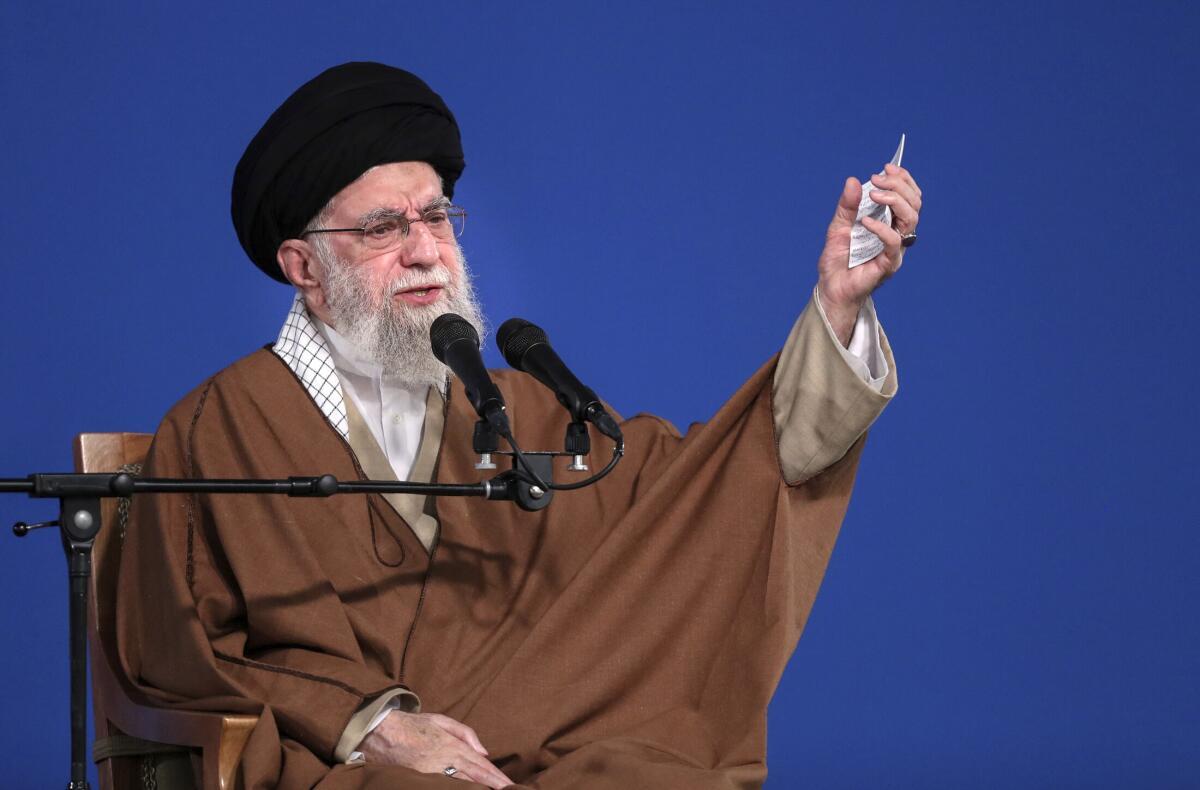
Ali Hosseini Khamenei was born in Mashhad on April 19, 1939, into an impoverished Shia clerical family.
He began his early education by memorizing the Quran, later attending religious schools such as the Nawab Seminary, where he studied Islamic jurisprudence (Fiqh), Quranic exegesis (Tafsir), and the Arabic language. He eventually achieved the rank of Ijtihad (the highest level of Islamic scholarship), leading him to begin teaching and writing.
Starting in 1963, Khamenei played a pivotal role in the movement against the rule of Shah Mohammad Reza Pahlavi. He was instrumental in organizing underground activities to support the messages of Ayatollah Ruhollah Khomeini, resulting in his arrest several times between 1965 and the late 1970s. He was even sentenced to three years of internal exile, but the 1979 Islamic Revolution outpaced his sentence, and he swiftly joined the leadership of the newly established regime.
Following the success of the 1979 Islamic Revolution, Khamenei rapidly ascended the political ranks, becoming a member of the Supreme National Defense Council and serving as a representative of the Ministry of Defense.
In June 1981, he survived an assassination attempt while delivering a speech at the Abu Dhar Mosque in Tehran. He was severely injured but ultimately recovered. In October 1981, Khamenei was elected President of the Islamic Republic, serving two terms until 1989—a period dominated by the devastating Iran-Iraq War. During his presidency, the Expediency Discernment Council was established to resolve legislative disputes, with Khamenei serving as its first chairman.
Following the death of the revolution’s founder, Ruhollah Khomeini, in 1989, the Assembly of Experts elected Khamenei as the Supreme Leader. During his tenure, the constitution was amended to solidify the absolute authority of the position, known as Velayat-e Faqih (Absolute Guardianship of the Islamic Jurist). This role granted Khamenei sweeping powers, giving him direct control over:
- The Armed Forces as Commander-in-Chief.
- The overarching domestic and foreign policies of the state.
- The appointment of key national figures, including heads of the judiciary and state media.
Khamenei was fiercely known for his uncompromising stance against the United States and Israel, frequently referring to them as devils and vowing to prevent their influence over his country. His supporters view him as a steadfast leader who stabilized the revolutionary system during turbulent times, while his critics accuse him of consolidating absolute power and ruthlessly suppressing political opposition and dissent.
Ayatollah Ali Khamenei will be remembered as the last remaining pillar of the 1979 Revolution and the man who entrenched the system established by his predecessor. Ultimately, his journey from an impoverished upbringing to becoming the most powerful man in Iran leaves behind a complex legacy—one deeply intertwined with religion, revolution, and decades of iron-fisted political survival.