
OPINION: Israel’s Recognition of Somaliland and the Shifting Geopolitics of the Horn
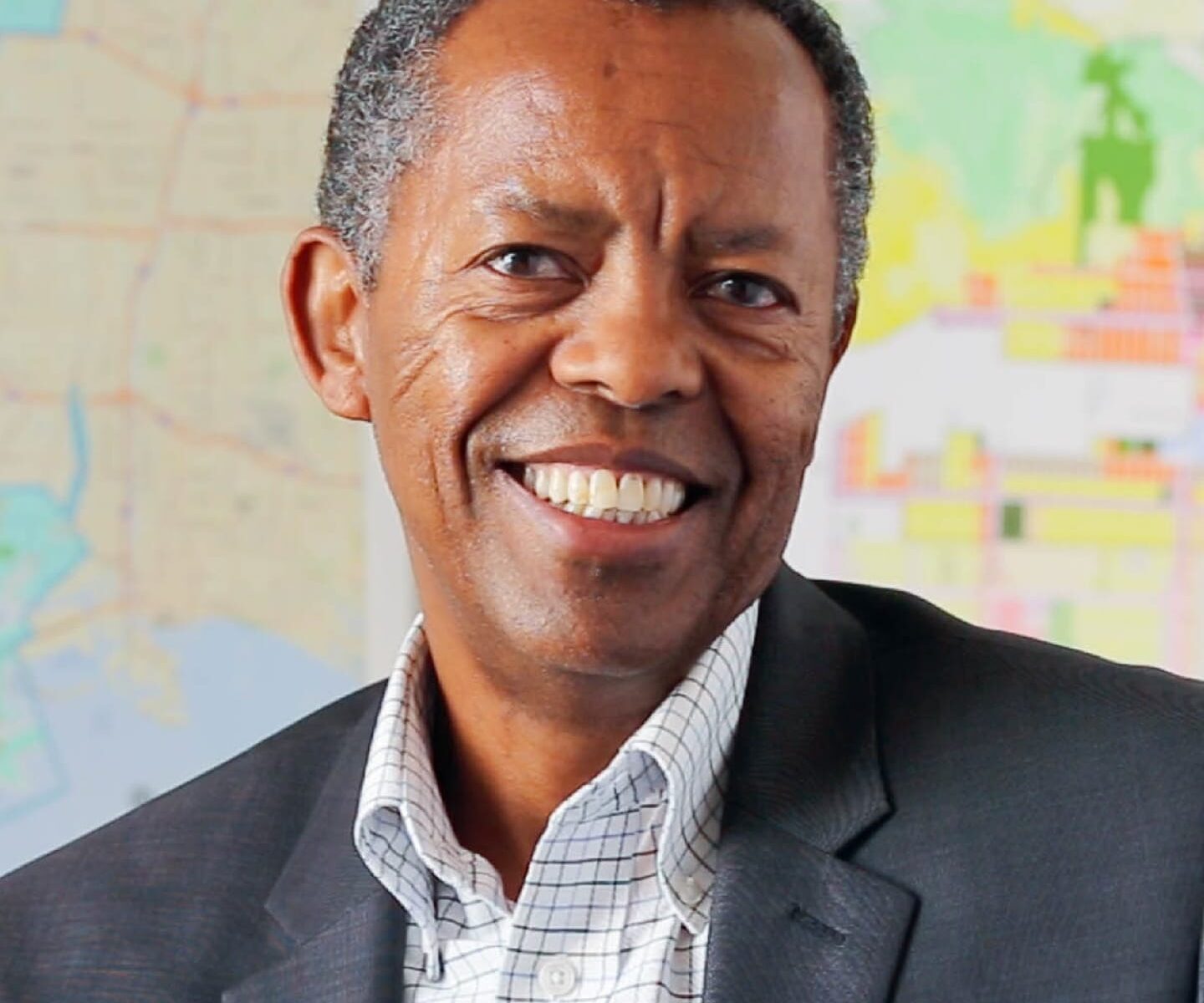
By Faisal Roble
On December 26, 2025, the State of Israel officially recognized the breakaway region of Somaliland. This move raises a critical question: How much does this development alter the future of the Somali state?
For 65 years since its independence in 1960, Somalia has never recognized Israel, remaining a staunch supporter of the Palestinian cause. Consequently, state-to-state recognition is a political calculus that depends on where nations find their national interest. Israel, often viewed in the region as conducting predatory politics, appears to be executing a specific strategy with this move.
The New Geopolitics of the Region
The geopolitical landscape is shifting. This development seemingly aligns Israel with the UAE and Ethiopia, while Somalia remains part of the Red Sea consortium led by the Kingdom of Saudi Arabia.
Turkey and Qatar, known for their strained relationships with Israel, are key benefactors of Somalia. Turkey, in particular, has signed a multifaceted treaty with Somalia—one that protects the sovereignty of Somalia’s airspace, sea, and land. Whether the terms of that treaty will kick in remains to be seen. Egypt, while a friend to Somalia, is often criticized for a lack of meaningful action; its support may amount to very little in practical terms.
Will Ethiopia Follow Suit?
The analysis suggests Israel’s move could be a precursor to action by Ethiopia. The late Ethiopian Prime Minister Meles Zenawi once famously said he would not be the first, but the second, to recognize Somaliland.
Will Prime Minister Abiy Ahmed, who flirted with the 2024 MOU which is now collecting dust on Foreign Ministry shelves, be the next? Time will tell. However, it is in the interest of regional stability for Ethiopia not to rock the boat that Israel is riding. Furthermore, a port in an unstable region cannot provide reliable access to the sea for Addis Ababa’s growing economy; a peaceful region is Ethiopia’s true asset.
Many speculate that the UAE, a close ally of Israel and an architect of the Abraham Accords, will follow in Israel’s footsteps. While not certain, it is likely that Prime Minister Netanyahu held preliminary consultations with the U.S. on the matter. Whether the Trump administration will support this or respect Somalia’s sovereignty—given that America recognized Somalia in 1960—is anyone’s guess.
Mogadishu’s Options
While foreign actors appear to be undermining Somalia, the first priority for President Hassan Sheikh Mohamud (HSM) is to bring Somalia’s leadership together for consultation and unified action.
Mogadishu must engage its allies: the African Union (AU), the United Nations, and the Arab League. Ironically, many Arab League members are signatories to the Abraham Accords—a fact Netanyahu likely intends to leverage in Washington to seek support for his Somaliland policy. Conversely, Somaliland will likely double its efforts to gain support from more countries in Africa and beyond.
Historical Context of “Predatory Politics”
Israel has a history of controversial interventions in Africa. In the 1960s, it gave the Biafran secessionists in Nigeria de facto recognition and arms supplies. It maintained a close relationship with the apartheid regime in South Africa and is currently involved in the Sudan crisis. Therefore, this action toward Somalia is consistent with a historical pattern of opportunistic foreign policy.
However, unlike in the 1960s, Israel now has a farther reach and could significantly impact the Somali state. No one can deny the negative implications of this move for Somalia.
Challenges for the AU and Somaliland
This recognition presents a major challenge to the AU and its leadership. While Israel’s move cannot be reversed, the question remains: who will follow suit?
Hargeisa is more hopeful today than a year ago, having succeeded in publicizing its cause. However, it faces the loss of the SSC-Khatumo regions (now the Northwest Somali Regional State). While Israel can be an asset—potentially helping Somaliland with dryland farming technology—it cannot deliver worldwide recognition or the return of the Northwest Regional State.
Conclusion
We must watch closely how the Puntland leadership, which has lately flirted with its own secessionist rhetoric, behaves. The UAE has the power to either break or mend Somalia’s back, while Somalis look toward Turkey, Egypt, and Saudi Arabia for support.
Internally, Somalia’s middle class has consistently struggled, often failing to rise above local and parochial politics. The Somali Peninsula has seen partitions before: the 1928 quartet treaty (Great Britain, France, Italy, Abyssinia) and the 1948 transfer of the Haud and Reserved Area. In 1990, the state collapsed into the hands of a predatory, parochial class.
The same could happen in 2026 unless Somali leadership across all sectors unites to prepare for all scenarios.
Goobjoog News is committed to publishing a diversity of letters to the editor or any other article of interest to our readers. We’d be glad to hear what you think about this article or any other article in our opinion sections.
Faisal Roble is a prominent political analyst and writer specializing in the geopolitics of the Horn of Africa. He is the former Editor-in-Chief of WardheerNews and a contributing editor for The Horn of Africa Journal.