
SoDMA: Built to Save Somalia, Accused of Robbing It
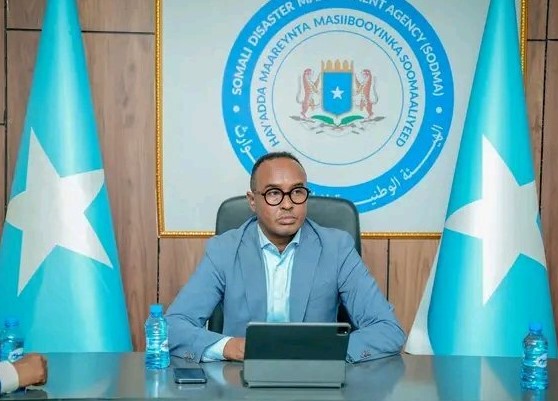
As 6.5 million Somalis face starvation and aid goes missing, Somalia’s national disaster agency stands accused of betraying the people it was created to protect.
Across Somalia, the numbers tell a story of catastrophe. Approximately 6.5 million people-roughly one-third of the entire population are experiencing Crisis levels of hunger or worse. Two million of those are in Emergency conditions, one step from famine. Nearly 500,000 children under five are at risk of severe acute malnutrition. Water prices have tripled in some regions as critical water points dry up, and the drought has already killed an estimated 1.4 million livestock, with another 2.5 million at risk. Against this backdrop of mass suffering, Somalia’s national disaster agency, SoDMA, stands accused not of failing to manage the crisis but of exploiting it.
The Missing Millions
The Somali National Disaster Management Agency was established to be the shield of the Somali people in times of crisis. Today, it finds itself at the centre of serious allegations of corruption and a near-total absence of accountability.
Perhaps most staggering is the fate of a recent donation from the Chinese government: $2 million in cash and an equal value in food aid. Despite SoDMA’s senior leadership publicly pledging to deliver this assistance immediately to drought-affected populations, two weeks passed with no tangible evidence that a single kilogram of food or a single dollar reached those dying of thirst and hunger. The whereabouts of the entire package remain, to this day, a mystery.
Critics suggest that aid stockpiled in SoDMA’s Mogadishu warehouses is being held deliberately — a cynical tactic to exploit the current political transition period by diverting supplies to the open market.
“The question that remains — and that no official has moved to answer — is this: who is responsible for the life of a citizen who dies of hunger, knowing that millions of dollars meant for their survival sit idle in government coffers.”
The pattern repeats. A Qatari aid project, designed to support 6,000 families through the month of Ramadan, materialised briefly for launch photographs a small distribution at a military orphanage on the first day then disappeared entirely. Now that Ramadan has ended, the public is left with no accounting of where the aid went, and SoDMA has offered no explanation. The question hanging over the agency is simple and damning: was this aid embezzled?
A Collapse of Public Trust
The breakdown of trust has been swift and total. Major Somali corporations now bypass SoDMA entirely, preferring to distribute aid directly to affected communities rather than entrust it to the national agency. Self-organised youth groups trusted by the public precisely because they are not the government have stepped in to perform the duties SODMA was created for. Bank accounts opened by the agency to receive public donations have produced no financial reports. No figure has been disclosed for how much was collected; no accounting has been offered for how it was spent.
Aid Requires Distribution, Not Storage
If disaster management means addressing immediate needs while preventing future crises, SoDMA has failed on both counts. Rather than investing in sustainable solutions drilling permanent wells, supporting farmers to break the cycle of recurring drought the agency has busied itself collecting donations that never reach their intended beneficiaries. The “renovation of warehouses” it publicly boasts about cannot serve as an alibi: warehouses are for transit, not for hoarding, while people starve outside their doors.
The Somali Parliament has already warned that SoDMA risks becoming a hub for national corruption unless its leadership and asset management systems are urgently overhauled. The warning appears to have gone unheeded.