
Somali Piracy Resurgence Raises Fresh Concerns Over Maritime Security
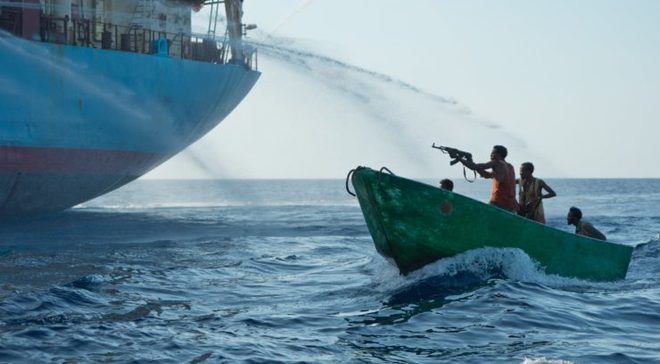
GOOBJOOG NEWS | MOGADISHU: A resurgence of piracy off Somalia’s coast is raising fresh concerns about the security of international shipping routes in the Gulf of Aden and western Indian Ocean, as a series of hijackings since April exposes the persistence of maritime threats in the region.
A report published on November 10 by Africa Defense Forum said pirate attacks had increased since April, although overall global piracy incidents remained at their lowest level in more than three decades.
The renewed threat has been highlighted by the hijacking of the Palau-flagged oil tanker Honour 25 on April 21 near Eyl, off Somalia’s northeastern coast.
The vessel was held for more than five months before Puntland security forces freed it in a rescue operation on September 29. Five crew members were killed before the operation, while others were injured. The deaths were believed to be the first killings of seafarers by Somali pirates in more than a decade.
The International Maritime Bureau’s director, Michael Howlett, said the recent increase in attacks was a reminder that piracy remained a threat despite the significant decline in incidents over the past decade.
He urged shipping companies and crews to follow established maritime security procedures to reduce the risk of hijackings and protect seafarers.
Somali piracy was once among the biggest threats to international shipping, particularly between 2008 and 2012, when armed groups seized commercial vessels and demanded millions of dollars in ransom. International naval patrols, improved security measures aboard ships and efforts to strengthen regional maritime enforcement helped bring the attacks down sharply.
However, analysts say changing security dynamics in the Red Sea and Gulf of Aden have created new opportunities for pirate groups.
Attacks by Yemen’s Houthi movement on commercial shipping since late 2023 disrupted traffic through the Red Sea and prompted some shipping companies to reroute vessels around Africa. More recently, wider regional tensions and the redeployment of naval assets have added pressure to maritime security operations.
The diversion of international naval forces and increased shipping activity along parts of the Somali coast have been identified as factors that could make vessels more vulnerable to attacks.
The resurgence has also exposed the economic pressures facing fishing communities along Puntland’s coastline, where illegal fishing by foreign industrial trawlers has been blamed for declining catches and reduced incomes.
In the coastal town of Bander Beyla, local fishermen say large foreign vessels have made it increasingly difficult for small-scale Somali fishing operators to compete.
Abdifatah Mohamed, who has fished along Somalia’s coast for about 20 years, said foreign industrial trawlers had capabilities far beyond those available to local fishermen, affecting their ability to sustain their families.
The situation has been compounded by security restrictions imposed by local authorities in late August, when fishermen were prevented from going to sea amid concerns that pirate groups were using fishing boats as cover for attacks.
The restrictions triggered complaints from residents who depend on fishing for food and income, with some saying the measures had deepened economic hardship in their communities.
The report also raised concerns about alleged links between Houthi networks in Yemen and Al-Shabaab, as well as claims that some pirate groups have gained access to more sophisticated weapons and technology. Such developments could complicate efforts to contain maritime insecurity, although the extent of any operational cooperation between the groups remains unclear.
Regional governments are meanwhile considering a more coordinated response. Signatories to the Djibouti Code of Conduct have endorsed plans for a Combined Task Force to support joint maritime operations against piracy in the western Indian Ocean and Gulf of Aden.
The proposed force is intended to complement existing international naval missions rather than replace them. Its operational structure, composition and resource requirements are still being developed.
The European Union’s Operation Atalanta also continues to conduct counter-piracy operations off Somalia, working alongside other international maritime security partners, including India and Japan.
The renewed attacks have revived concerns over the safety of one of the world’s most important maritime corridors, while highlighting the need to address both security threats at sea and the economic pressures facing Somalia’s coastal communities.