
Somalia Electricity Prices Rise as Fuel Costs Squeeze Households and Businesses
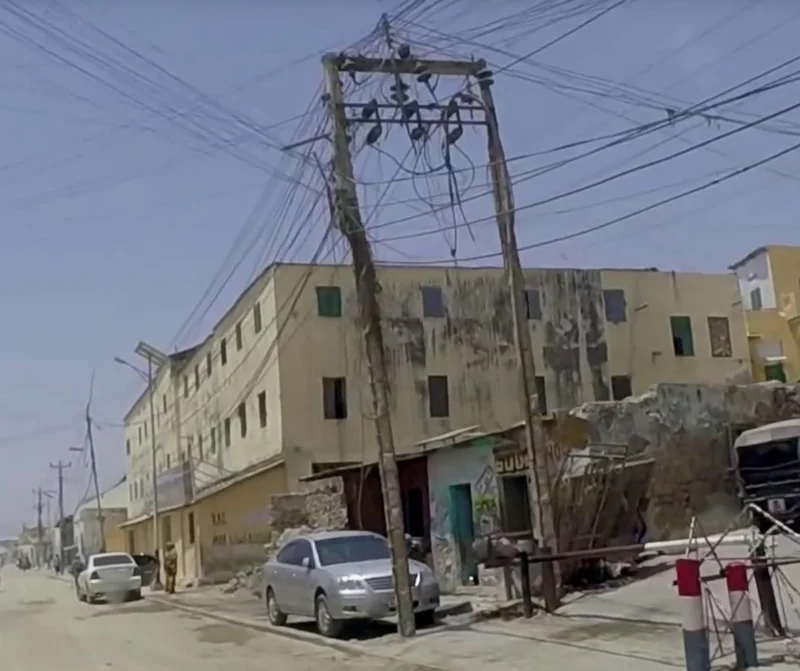
GOOBJOOG NEWS | MOGADISHU: Electricity prices in Somalia’s capital Mogadishu and several other parts of the country rose on Sunday, adding to pressure on households and businesses already struggling with some of the world’s highest power costs.
Three major electricity providers — BECO, Mogadishu Power and Blue Sky Energy — announced an increase of five US cents per kilowatt-hour (kWh), citing soaring fuel prices linked to instability in the Middle East.
The companies said fuel costs had increased by more than 70% over the past eight months, making it increasingly difficult to maintain electricity supplies at existing tariffs.
The new charges took effect on October 25.
Somalia relies heavily on imported fuel to generate electricity, leaving consumers exposed to fluctuations in international oil markets and disruptions to major shipping routes.
The companies blamed the latest increase partly on conflicts in the Middle East and tensions around the Strait of Hormuz, a vital passage for global oil shipments.
The decision comes at a difficult time for Somalia’s economy, where rising living costs, drought and declining international assistance have placed additional pressure on household incomes.
In May, the World Bank warned that Somalia’s dependence on diesel-generated electricity was contributing to high production costs and weakening the competitiveness of local businesses.
Electricity tariffs in Somalia are already among the highest globally, with the country’s energy ministry estimating an average cost of about 61 US cents per kilowatt-hour in a 2025 assessment.
Much of Somalia’s electricity is supplied by private companies operating independent generation and distribution networks, rather than through a unified national grid.
The system has helped maintain electricity services in major urban centres but remains costly because of its dependence on imported diesel and fragmented infrastructure.
For businesses, particularly those relying on refrigeration, manufacturing equipment and other electricity-intensive operations, higher power charges risk increasing operating expenses and potentially the prices paid by consumers.
The electricity companies said the five-cent increase was significantly lower than the rise in fuel costs and was intended to ensure continued power supplies.
They acknowledged the financial burden on customers and expressed hope that fuel prices would decline, allowing electricity tariffs to be reviewed.
Somalia has been seeking to expand renewable energy generation and improve electricity infrastructure to reduce its dependence on imported fuel.
However, the latest increase highlights the country’s continued vulnerability to international energy shocks and the challenge of providing affordable electricity to its growing urban population.