
Somalia Embraces Modern Data Systems to Drive Better Policies and Protect Vulnerable Communities
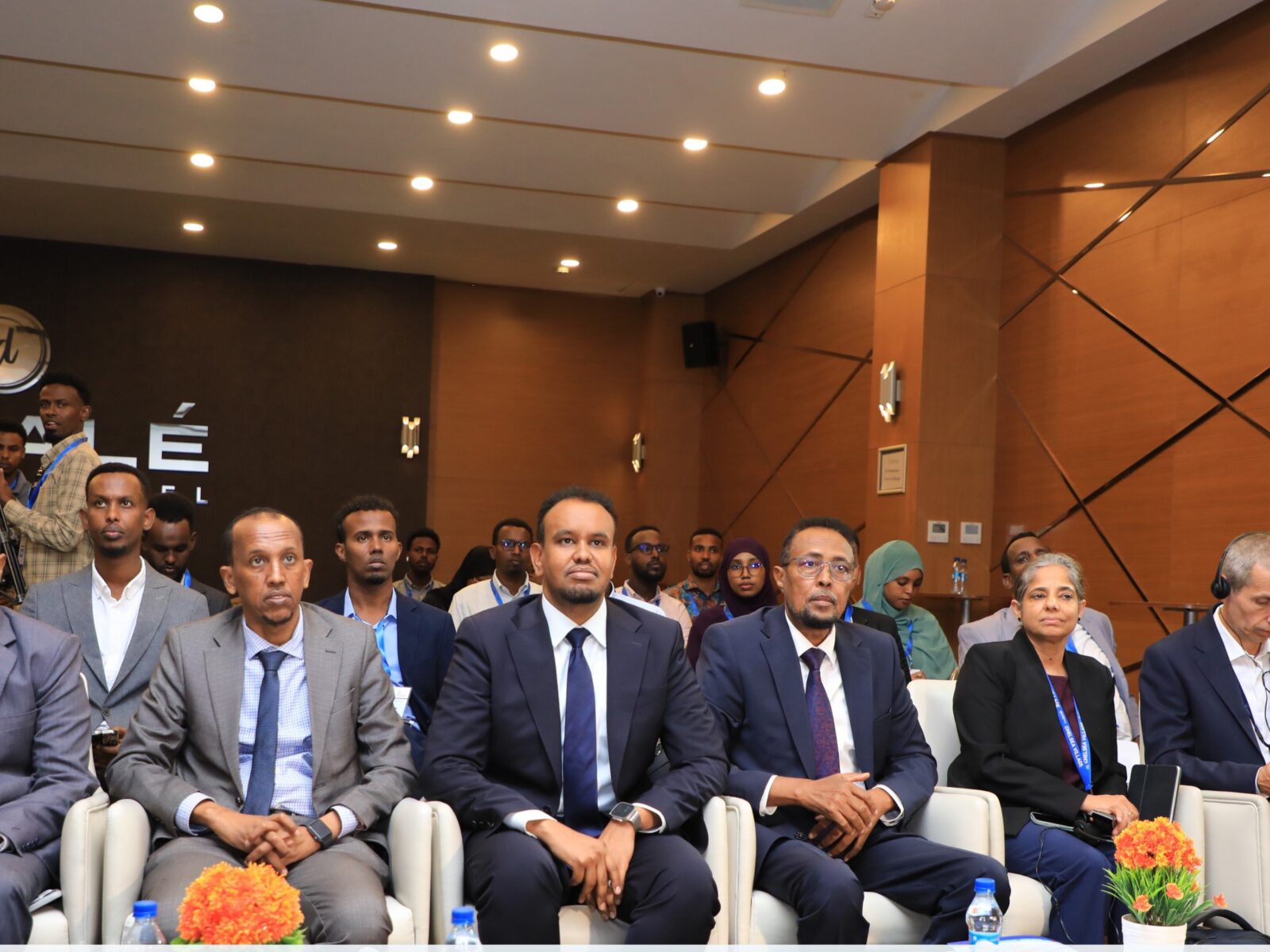
GOOBJOOG NEWS|MOGADISHU: Somalia has taken a major step toward modern, citizen-centred data systems with the joint launch by the Somali National Bureau of Statistics (SNBS) and the World Bank of findings from Waves 1 and 2 of the Listening to Somalia Survey, alongside the pre-launch of a new Mobile Phone Data for Policymaking initiative. The event, attended by senior government officials, World Bank leadership and international partners, highlighted how real-time data is becoming central to understanding the needs and priorities of Somali households.
The Listening to Somalia Survey, conducted entirely through mobile phone interviews, covered all 18 pre-war regions and reached nearly 3,000 households in each wave, including about 1,900 repeat participants. The approach showed that high-quality national data can be gathered rapidly and cost-effectively, while safely reaching rural, nomadic, urban and displaced communities. The survey captured a wide range of issues including poverty trends, food insecurity, drought impacts, shifts in social assistance, satisfaction with public services, taxation, climate shocks and the education hopes of children and youth.
While the findings reveal persistent hardship, they also point to strong levels of resilience and ambition, particularly among young people calling for better opportunities, education and stability.
SNBS Director Abdisalam Mohamed said the results demonstrate a clear shift toward flexible, responsive and inclusive evidence systems. With traditional household surveys carried out every five years, mobile phone surveys are helping to fill data gaps and provide timely, real-time insights that are essential for planning and policy.
Building on this progress, the event also marked the pre-launch of Somalia’s Mobile Phone Data (MPD) for Policymaking initiative. In partnership with Mobile Network Operators, SNBS will use anonymized and aggregated telecom data to track population movement, vulnerability and the impacts of shocks. These high-frequency insights are expected to strengthen disaster response, shock-responsive social protection and long-term development planning.
SNBS noted that the initiative represents a significant step forward for Somalia’s digital statistical ecosystem, opening the door for greater use of innovation and data science across government.