
Somalia Government and UN Clash Over Mogadishu Violence Toll as Weapons Row Deepens
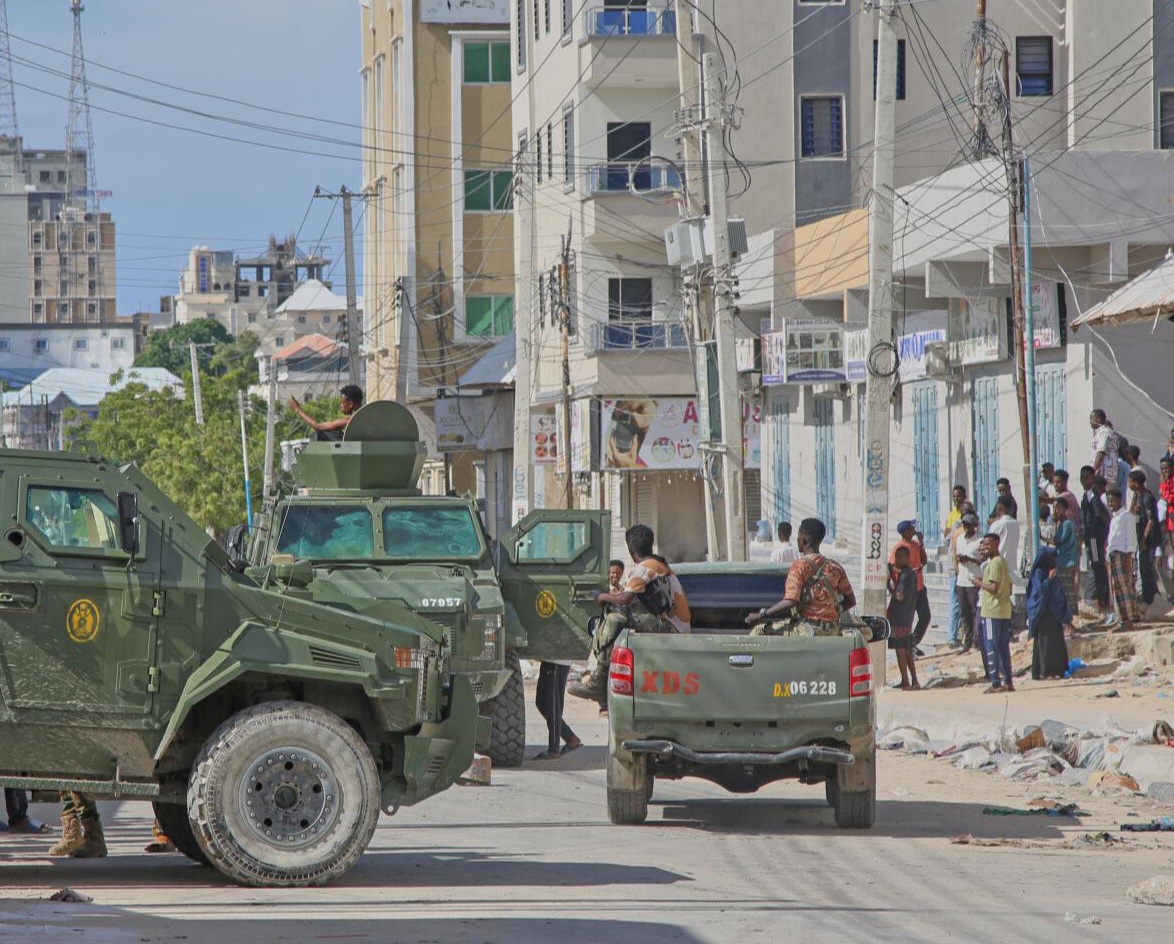
GOOBJOOG NEWS|MOGADISHU: The Somali Federal Government and United Nations agencies are presenting sharply conflicting accounts of deadly clashes that struck multiple districts of Mogadishu on June 3 and 4, with casualty figures, displacement numbers, and the nature of the violence itself all in dispute.
The Ministry of Health and Human Services said one person died and 55 were injured in what it described as security incidents across the capital. The UN Refugee Agency and Protection Cluster Somalia, in a Protection of Civilians note dated June 4, put the death toll at least 13 and injuries at 189 — figures the government has not acknowledged.
The UNHCR note also reported that approximately 12,500 households were displaced as fighting spread from Dabka Junction into densely populated districts including Howlwadaag, Cabdicasiis, Hodan, Wardhiigley, and parts of Kaaraan. The government statement made no mention of displacement.
The government described the violence in administrative terms, focusing on the health system’s response and thanking medical workers. The UN note characterised the events as intense armed confrontations between Somali Federal Government forces and an opposition-affiliated armed group, language Mogadishu has not used in its official communications.
The divergence extends beyond figures. In a pointed closing to its statement, the Ministry urged all institutions, media outlets, and other parties to exercise responsibility and caution when reporting casualties and emergency health data — a warning that reads, in context, as a direct challenge to the higher figures being circulated by humanitarian organisations.
The clashes have also ignited a parallel dispute over weapons. Government authorities say they recovered arms from opposition-linked homes in Mogadishu, presenting the finds as evidence of armed mobilisation against the state. The opposition has rejected that account, saying the weapons were either planted by security forces or removed from government armouries and displayed to manufacture a case against them.
Neither side has provided independently verified evidence for their respective claims. The UNHCR note noted that the clashes unfolded against a backdrop of heightened political tensions, though it did not elaborate on the underlying dispute.
Protection actors cited in the UN document called on all parties to comply with International Humanitarian Law, including obligations to distinguish between civilians and combatants, protect civilian infrastructure, and ensure unimpeded humanitarian access. They also called for enhanced protection monitoring and the integration of civilian protection across all sectors of the response.
The Ministry said it remained committed to collecting and sharing accurate and verifiable health data, particularly during emergencies. Further updates from protection and humanitarian actors are expected as monitoring continues.