
Somalia Looks to Museveni as Political Deadlock Deepens
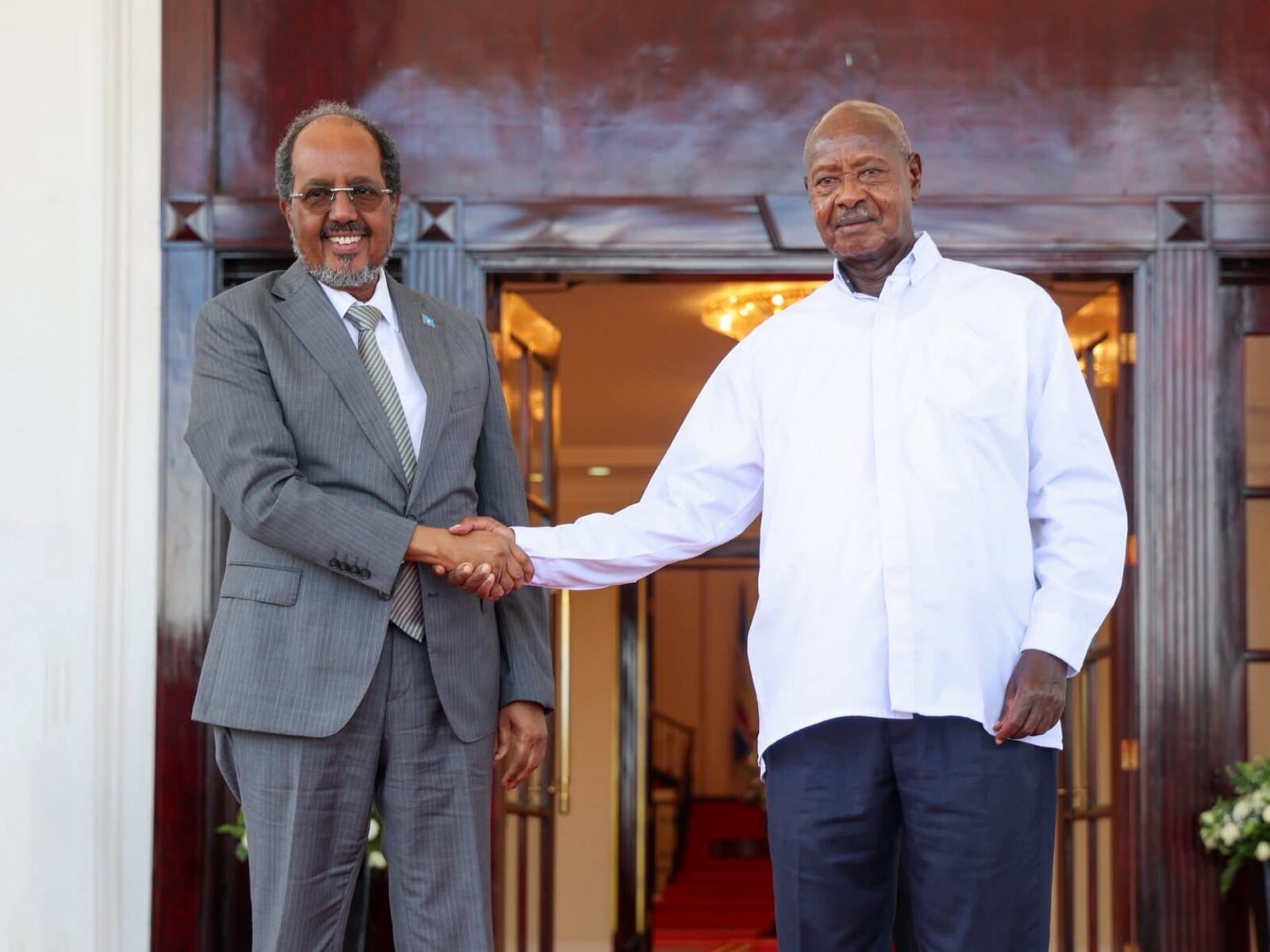
GOOBJOOG NEWS | MOGADISHU: Somalia is facing mounting political uncertainty as disagreements between the Federal Government and opposition leaders over the country’s constitutional and electoral arrangements continue to hamper efforts to reach a political settlement.
Against this backdrop, Ugandan President Yoweri Museveni has emerged as a potential facilitator of dialogue, following renewed diplomatic engagement with Somali President Hassan Sheikh Mohamud.
According to Nation Africa, President Mohamud has visited Uganda three times this year for talks with Museveni, with his latest visit taking place on November 23, when the two leaders met at the presidential residence in Entebbe.
The reported diplomatic efforts are aimed at securing Museveni’s support in bringing the Somali government and opposition closer together and reviving negotiations that have stalled over disagreements on the constitutional framework and the country’s electoral process.
Opposition leaders have resisted talks with President Mohamud, arguing that outstanding constitutional disputes must first be addressed before negotiations can proceed. Puntland President Said Abdullahi Deni and Jubaland President Ahmed Mohamed Islam, alongside other political figures, remain among those yet to reach an agreement with the Federal Government.
Deni has opposed relying on foreign mediation to resolve the dispute, maintaining that Somali political leaders should be able to settle their differences through domestic dialogue.
Former President Mohamed Abdullahi Farmaajo, however, has expressed support for Museveni’s reported mediation efforts, while insisting that any political settlement must be grounded in Somalia’s Constitution and the decisions of the Supreme Court.
Museveni has previously played a role in efforts to resolve political disputes in Somalia. In 2000, Uganda participated in regional reconciliation efforts that contributed to the formation of Somalia’s Transitional Federal Government. In 2011, Museveni also helped facilitate the Kampala Accord, which sought to resolve a dispute between then-President Sheikh Sharif Sheikh Ahmed and parliamentary speaker Sharif Hassan Sheikh Aden.
The current dispute, however, presents a different set of challenges, touching on constitutional authority, the distribution of political power between federal and state institutions, and the future structure of Somalia’s political system.
The political impasse is unfolding alongside security concerns linked to the planned transition of African Union forces from Somalia. Uganda, one of the main troop-contributing countries to the African Union Support and Stabilisation Mission in Somalia (AUSSOM), has begun withdrawing troops deployed under a bilateral arrangement, while its wider military presence, including forces serving under AUSSOM, is expected to be phased out by the end of 2027.
The withdrawal has raised concerns about the capacity of Somali security forces to assume responsibility for positions currently held by foreign troops and prevent security gaps that Al-Shabaab could exploit.
The African Union has endorsed a joint transition plan with the Somali Federal Government, providing for a gradual reduction of AUSSOM’s presence in three phases, beginning in November 2026 and extending beyond 2027. The plan is intended to ensure an orderly transfer of security responsibilities, although questions remain over the resources and operational capacity available to Somali forces.
Uganda’s longstanding military involvement in Somalia gives Kampala a significant stake in the country’s security transition, in addition to its diplomatic relations with Mogadishu.
Whether Museveni can help bridge the political divide remains uncertain. Any progress will depend on the willingness of the government and opposition leaders to agree on the terms of dialogue, address constitutional disagreements and reach a political compromise.