
Somalia Opens Climate Forum as Country Braces for Further Weather Extremes
GOOBJOOG NEWS | MOGADISHU: Somalia is accelerating preparations for possible severe flooding as the October-December rainy season approaches, with climate experts warning that a strengthening El Niño could bring unusually heavy rains to parts of the country.
The warning has given new urgency to efforts to improve early warnings, protect river communities and ensure that emergency supplies and evacuation plans are ready before the rains intensify.
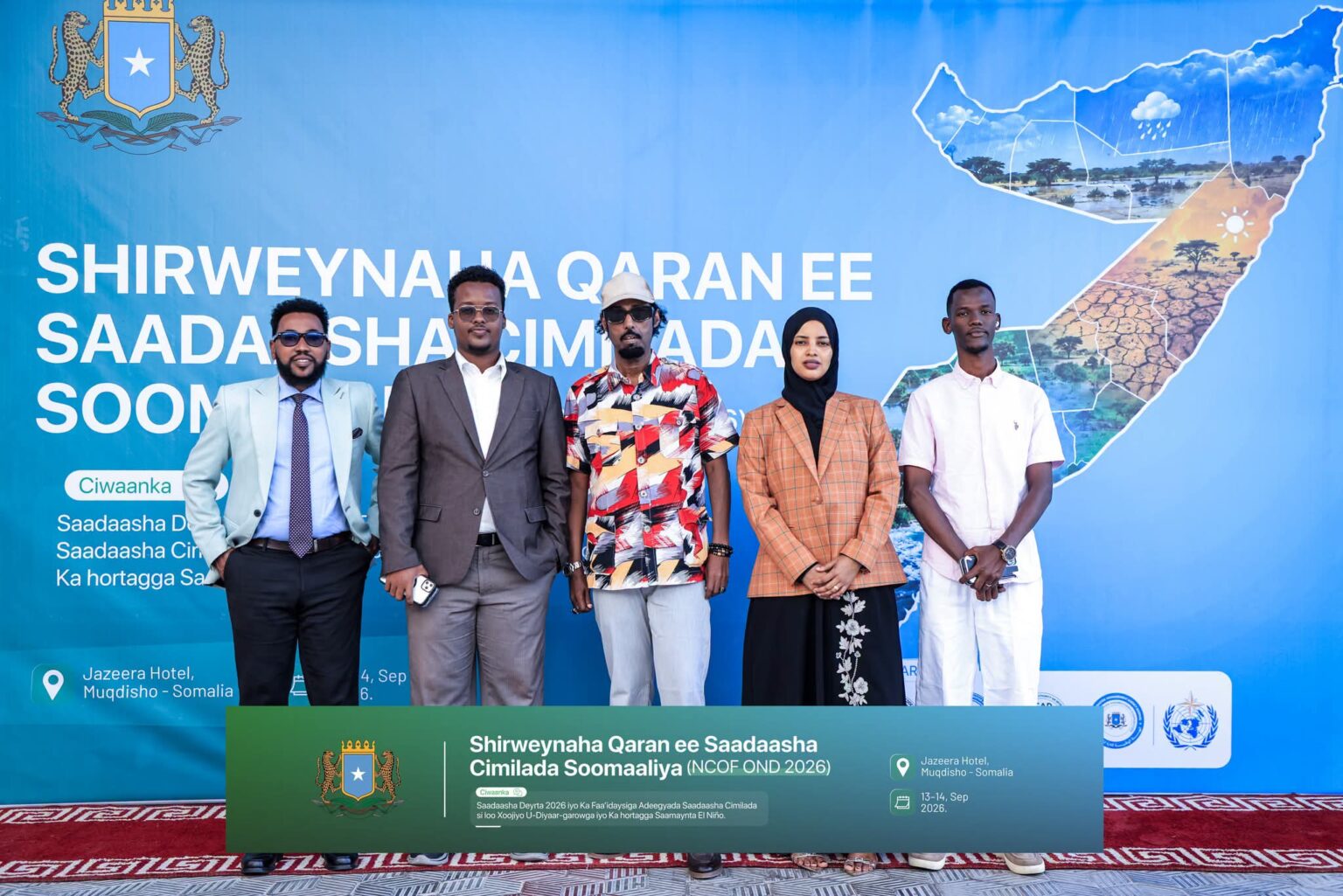
The National Climate Outlook Forum for the OND 2026 season opened in Mogadishu on Saturday, bringing together government officials, climate experts and development partners to examine the latest seasonal forecasts and plan for potential weather-related emergencies.
The meeting comes days after the Food and Agriculture Organization warned that Somalia faces a heightened risk of flooding during the Deyr season.
FAO said the latest regional forecast gives parts of central and southern Somalia a 90 per cent probability of above-normal rainfall. The Juba and Shabelle river catchments are among the areas where heavy rains could translate into significant flooding.
The forecast has raised concerns because many communities remain vulnerable after years of drought, food insecurity and displacement.
Somalia’s dependence on rain-fed farming and livestock means a wet season can bring much-needed water and pasture, but excessive rainfall can quickly turn into a crisis, particularly along the country’s major rivers.
The authorities are therefore being urged to use the time available before the rains to identify flood-prone areas, strengthen river defences, review evacuation routes and position essential supplies.
The Somali Disaster Management Agency has already been working with humanitarian partners on measures to reinforce vulnerable sections of riverbanks and improve preparedness, including in flood-prone Hiiraan.
The concern is not simply the amount of rain that falls inside Somalia. Heavy rainfall upstream in Ethiopia can raise water levels in the Juba and Shabelle rivers and send flood waves downstream, even when local rainfall has eased.
FAO has pointed to 1997 and 2023 as important historical comparisons. Both years were marked by severe flooding in Somalia, although the agency stresses that they should not be treated as predictions of what will happen in 2026.
The difference this time, officials and aid agencies say, is the opportunity to act before the crisis develops.
Climate forecasts can help authorities decide where to move people, protect infrastructure, prepare health and water services and pre-position assistance in areas likely to be cut off by flooding.
For a country repeatedly hit by drought followed by floods, the challenge is increasingly to respond to both extremes at the same time.
The Mogadishu forum is seeking to ensure that the latest climate information reaches those making decisions on the ground, before the first major flood arrives.