
Somalia Seeks $11.1 Billion in Climate Finance at COP31
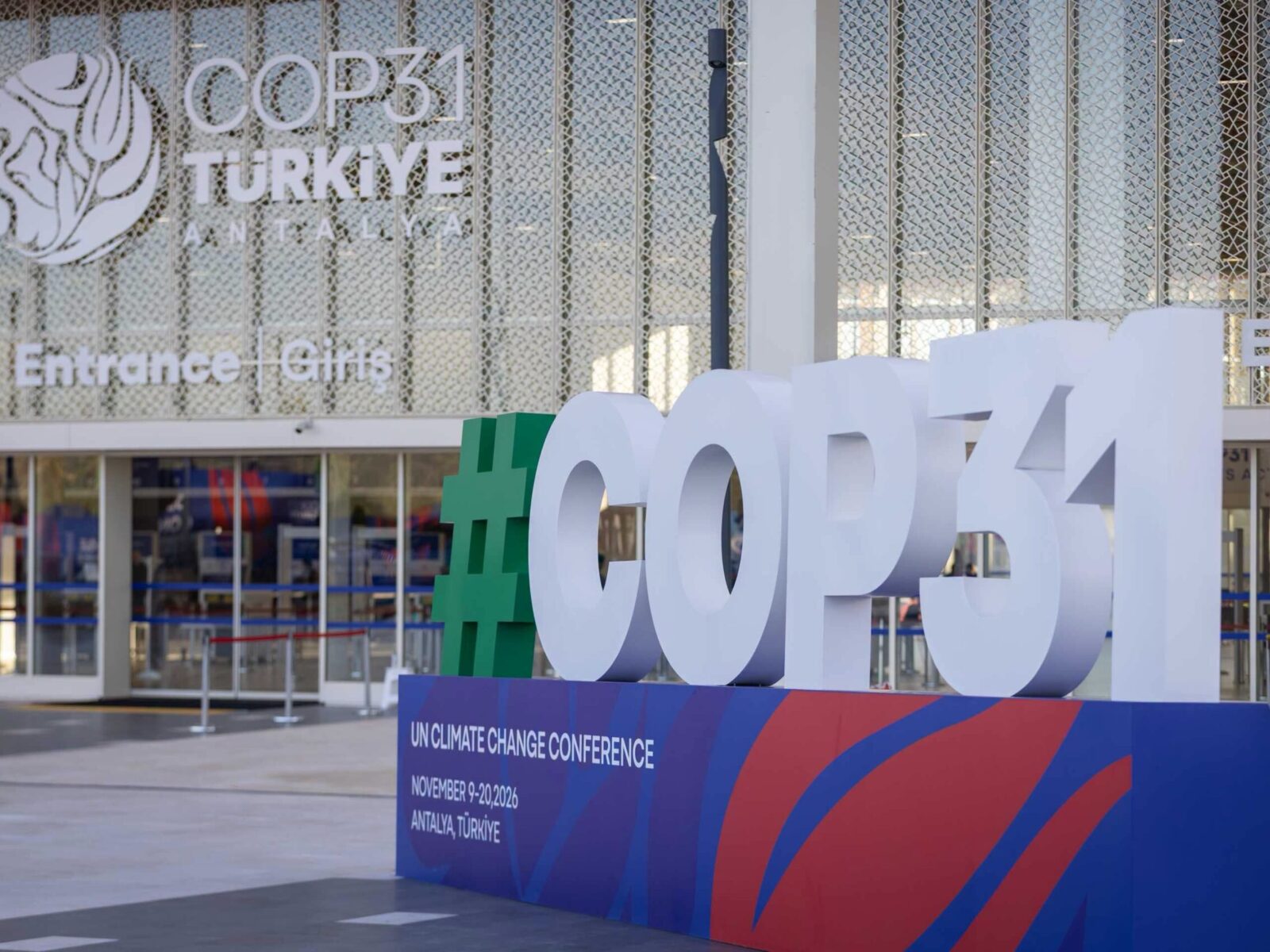
GOOBJOOG NEWS | ANTALYA: Somalia is seeking billions of dollars in international climate financing to tackle recurring droughts, floods, displacement and food insecurity, as it presents its national climate action priorities at the COP31 summit in Türkiye.
The government is showcasing its National Climate Action Plan for 2025–2030, which outlines interventions aimed at reducing the country’s vulnerability to climate change and addressing pressures that have contributed to resource-based conflicts over water and land.
Implementing the plan is estimated to cost nearly $5.5 billion by 2030, while Somalia’s updated Nationally Determined Contribution, known as NDC 3.0, seeks $11.1 billion in international financing through 2035.
Mogadishu is also seeking at least $1 billion annually to support climate adaptation and emissions reduction programmes. However, these figures represent financing needs rather than money already secured, with no confirmed funding commitments announced so far.
Among the priority projects are climate-resilient agriculture and irrigation, improved water and pasture management, solar energy, fisheries development, coastal protection, flood-resistant roads and early warning systems.
The plan also proposes community resilience centres, district-level climate risk information systems and emergency response teams in each federal member state to strengthen preparedness for climate-related disasters.
Despite the scale of the funding appeal, questions remain over how quickly the proposed projects can move from planning to implementation.
A project ready for investment would normally require a clearly identified location, detailed costing, feasibility studies, an implementing institution and a delivery timetable. Somalia has yet to publicly provide a comprehensive list of projects meeting these requirements or identify those ready for immediate financing.
The NDC 3.0 presentation scheduled for November 12 is expected to provide further details on project priorities and implementation arrangements.
Somalia is targeting funding from international climate mechanisms, including the Green Climate Fund and Adaptation Fund, as well as development banks, bilateral partners and private investors. Other proposed financing options include public-private partnerships, carbon markets and contributions from the Somali diaspora.
However, the government has not identified specific donors that have committed money to the plan or disclosed the amounts pledged.
There are also outstanding questions about which federal member states and districts will benefit first, how funds will be distributed and how many people the programmes are expected to reach.
Transparency on these issues will be important in ensuring that climate financing reaches communities facing the greatest risks from drought, flooding, displacement and food shortages.
The plan sets several institutional targets, including making the national meteorological agency operational by 2027 and extending climate monitoring networks to all federal member states by 2028.
It also proposes annual progress reports, although the government has not specified when the first report will be published or how the public will access information on funding and implementation results.
On the sidelines of COP31, Somali and Qatari officials also discussed environmental cooperation and the completion of a memorandum of understanding. No signed agreement or financial commitment from Qatar was announced.
The outcome of COP31 will ultimately depend on whether its financing appeal translates into confirmed commitments, investment-ready projects and measurable improvements in communities most exposed to climate shocks.