
Somalia Seeks Shift towards Early Disaster Response as Climate Risks Grow
GOOBJOOG NEWS | MOMBASA: Somalia is seeking to strengthen its capacity to anticipate droughts, floods and other climate-related emergencies before they trigger humanitarian crises, as recurring disasters continue to threaten livelihoods and deepen displacement across the country.
The federal government of Somalia has reaffirmed its commitment to adopting anticipatory action as a central part of its disaster management strategy, with a focus on improving early warning systems, securing advance financing and enabling authorities to act before communities are hit by major shocks.
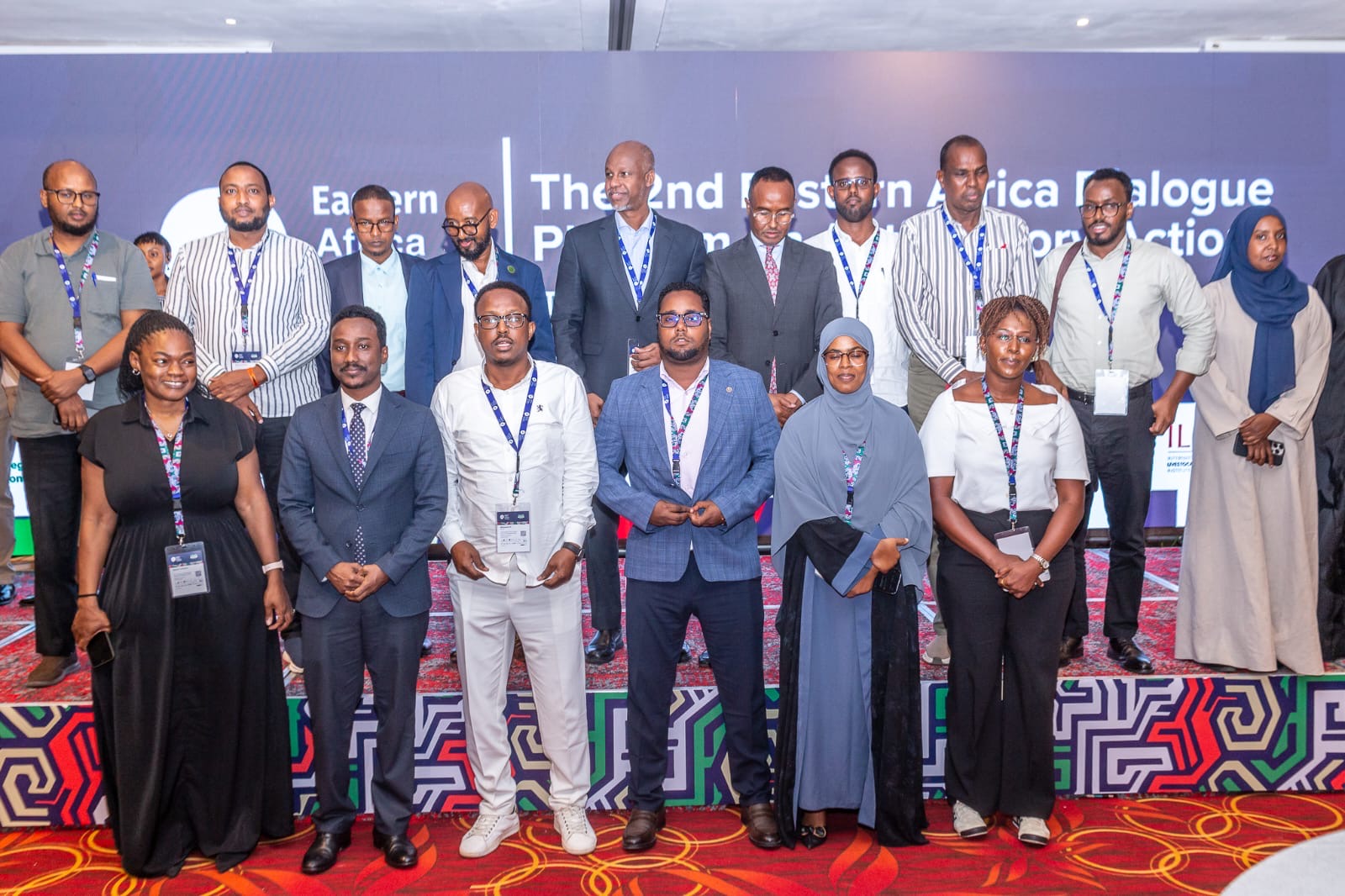
Somali Disaster Management Agency (SoDMA) Commissioner Mohamud Mo’allim Abdullahi represented the country at a recent regional ministerial meeting in Mombasa, Kenya, where Eastern African governments discussed ways to strengthen preparedness and reduce the impact of disasters.
Somalia’s push comes against the backdrop of repeated drought emergencies and devastating floods, which have exposed the country’s limited capacity to withstand climate shocks. Millions of people have faced food insecurity, displacement and loss of livelihoods during successive humanitarian crises, particularly in rural areas where communities depend heavily on livestock and rain-fed agriculture.
Under the proposed approach, authorities would use weather forecasts, risk assessments and early warning information to trigger interventions before a disaster reaches its peak. These could include distributing emergency cash, protecting livestock, securing water supplies and positioning relief materials in vulnerable areas.
Somalia said it was working towards institutionalising anticipatory action through a national roadmap that would establish clear responsibilities and accountability across government institutions. It also called for increased domestic funding alongside predictable support from international development partners.
The regional discussions brought together representatives from Kenya, Uganda, South Sudan, Djibouti and Sudan, as well as the Intergovernmental Authority on Development (IGAD).
A central challenge for countries in the region remains the availability of funding before disasters strike. Humanitarian assistance has traditionally been mobilised after emergencies have already caused widespread damage, often leaving governments and aid agencies struggling to contain the consequences.
Anticipatory action seeks to change that model by making resources available in advance when forecasts indicate an imminent threat.
Strengthening such mechanisms could help Somalia protect vulnerable households and reduce the economic and humanitarian costs of repeated emergencies.
The government has increasingly identified disaster preparedness and climate resilience as important priorities, with SoDMA coordinating national efforts to improve early warning, emergency planning and response.
The Mombasa discussions form part of wider regional efforts to move disaster management away from a predominantly reactive approach towards earlier interventions designed to save lives and protect livelihoods.