
Somalia Seeks to Close Healthcare Gaps as National Health Review Gets Underway
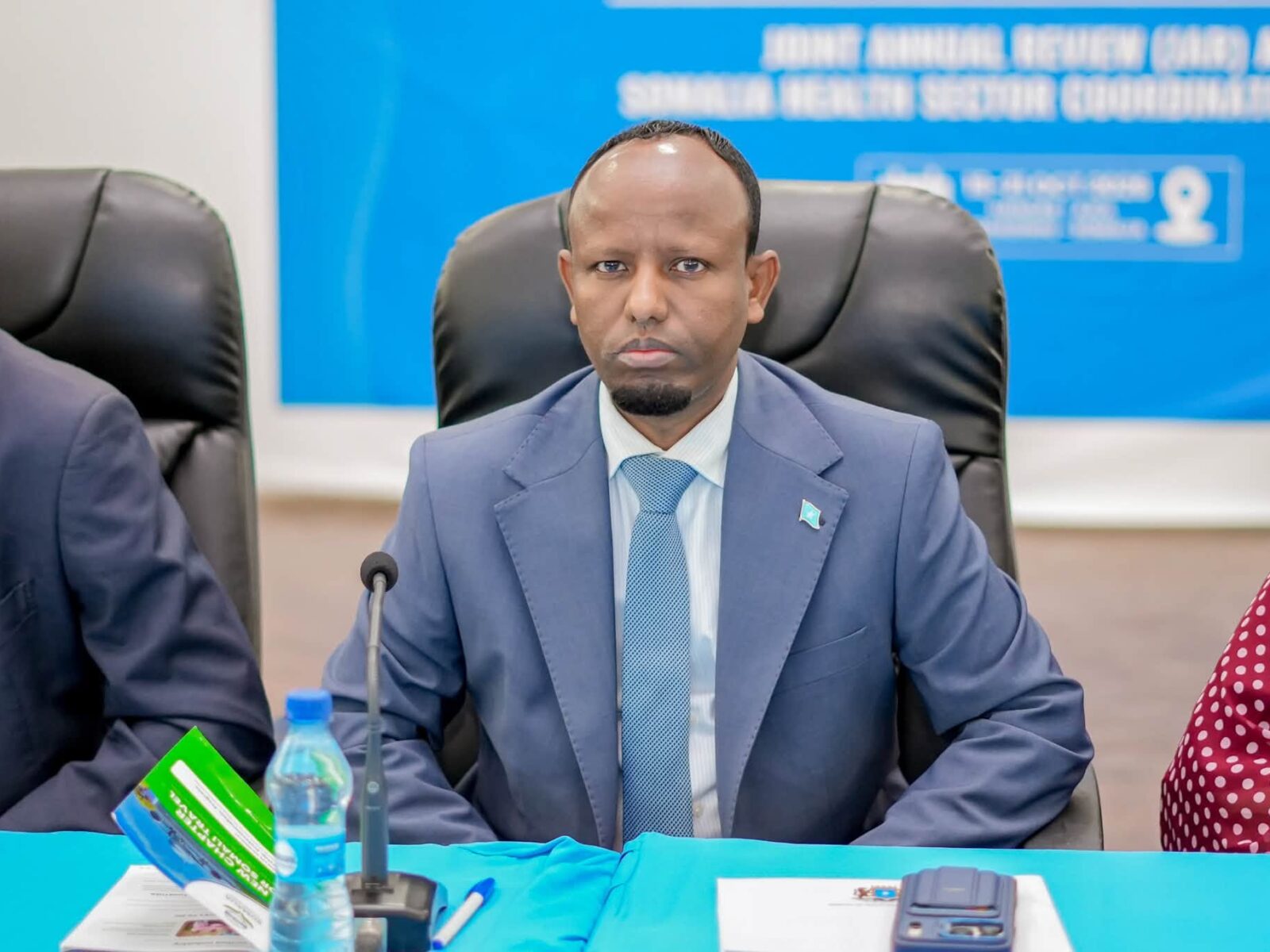
GOOBJOOG NEWS | MOGADISHU: Somalia is seeking to narrow gaps in healthcare access and improve the delivery of essential medical services as authorities assess whether ongoing health programmes are meeting the needs of communities across the country.
The effort comes amid persistent challenges facing the country’s healthcare system, including shortages of medical professionals, inadequate facilities and unequal access to treatment, particularly in rural and conflict-affected areas.
Against this backdrop, the Federal Government has launched its Health Sector Coordination and Joint Annual Review (JAR), bringing together health authorities and international partners to examine progress, identify shortcomings and agree on priorities for improving services.
The review is expected to assess the implementation of Somalia’s National Health Plan, with particular attention to how existing programmes can deliver better results and reach underserved communities.
Access to healthcare for many Somalis remains a challenge. Years of conflict, recurring droughts and displacement have placed additional pressure on medical facilities, while limited resources continue to constrain the provision of essential services.
Strengthening coordination between federal and state authorities is therefore central to efforts to improve healthcare delivery, particularly in a system where responsibilities and resources are spread across different levels of government and international partners.
Health Minister Dr. Ali Haji Adam, who opened the review in Mogadishu, said closer cooperation between the Federal Government, federal member states and development partners was essential to building a stronger and more effective healthcare system.
The discussions involve health officials, hospital directors and international organisations supporting Somalia’s health sector, with participants examining ways to improve the use of available resources and expand access to quality care.
The review also comes as Somalia faces continuing public health challenges, including infectious disease threats, maternal and child health needs and the health consequences of climate-related emergencies.
While international assistance remains important to the country’s healthcare system, improving domestic institutional capacity and coordination is increasingly central to efforts to make services more reliable and sustainable.
The annual review provides an opportunity to assess what has worked, where progress has been limited and how future programmes can better respond to the needs of patients.
No new funding commitments or specific policy changes have been announced, and the findings of the review have yet to be released.
The outcome will be important in determining whether Somalia can translate health sector planning and international support into measurable improvements in healthcare access and service delivery.