
Somalia, South Africa Media Councils Agree To Deepen Cooperation
GOOBJOOG NEWS | JOHANNESBURG:Somalia and South Africa are to strengthen cooperation on media standards and complaints handling, as Somalia’s Media Council looks to draw on the experience of one of the continent’s more established press self-regulatory systems.
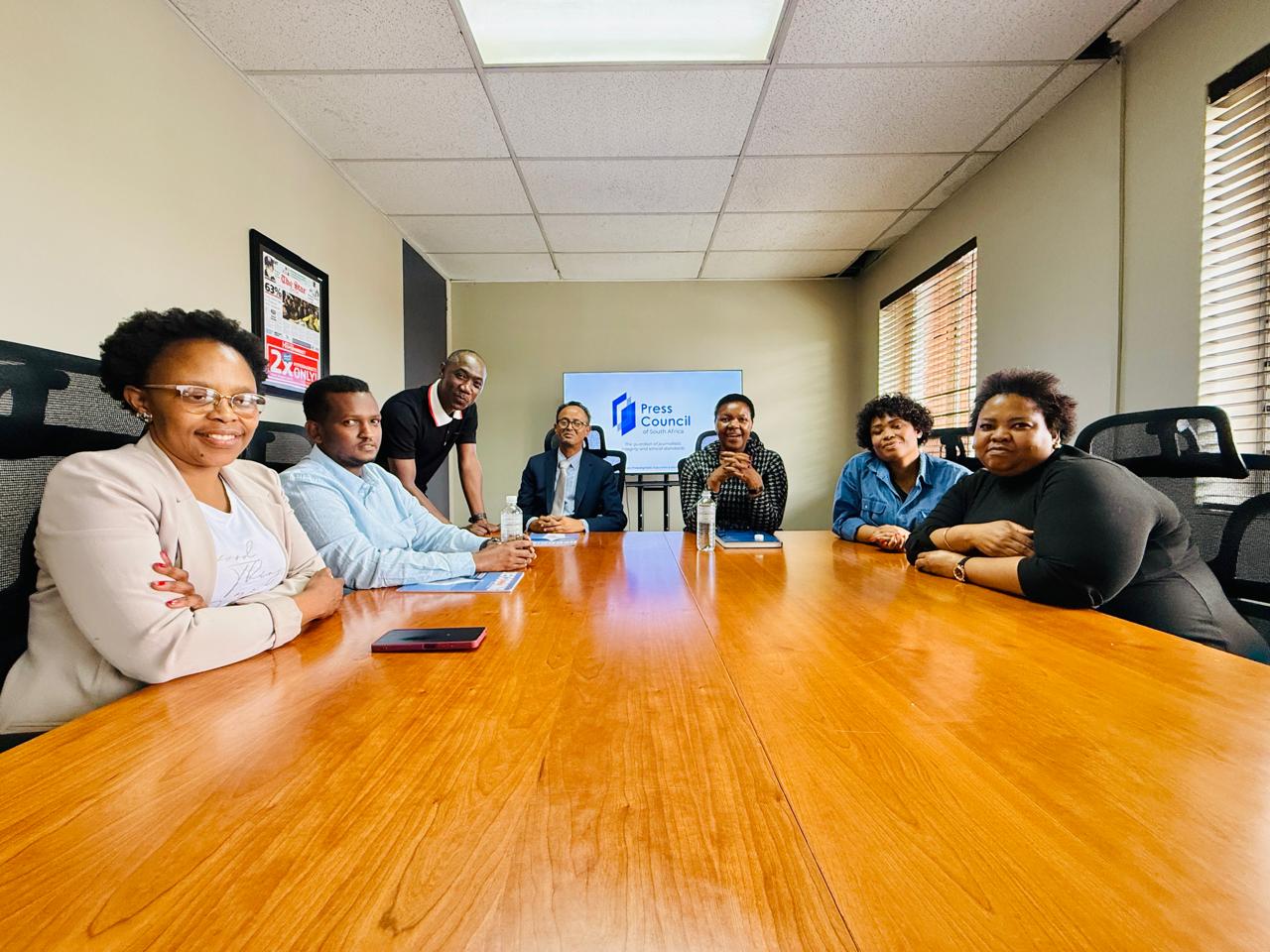
The agreement followed talks between the Media Council of Somalia and the Press Council of South Africa in Johannesburg on Friday, focusing on media development, professional standards and ways of resolving complaints and disputes involving the press.
The discussions also looked at how the two councils could work together on practical areas including complaints procedures, accountability and follow-up on decisions.
The Somali delegation was received by Dr Phathiswa Magopeni, Executive Director of the Press Council of South Africa, who welcomed the engagement and congratulated Somalia’s council on its recent admission as a full member of the Network of Independent Media Councils in Africa.
Somalia’s council chairman, Abdirahman Mohamed Aden, known as Koronto, said the two institutions had agreed to cooperate on the issues discussed and to pursue joint activities in the near term.
The talks provided the Somali council with an opportunity to examine a complaints system that has evolved over several decades.
South Africa’s current model is based on voluntary independent self-regulation, with an ombudsman and an appeals mechanism. Its Press Code applies to print and online media and was expanded in 2015 to cover social media and user-generated content.
Complaints are first assessed and efforts made to reach an amicable resolution. Where that is unsuccessful, cases can proceed to mediation and arbitration, with an appeals process available to dissatisfied parties.
The system also publishes data on complaints, giving an indication of the types of issues most frequently raised against member publications.
In the first quarter of 2026, the South African council received 55 complaints. Nine were resolved, 20 were declined, two were withdrawn and 24 remained pending. The most common breaches involved the gathering and reporting of news, particularly accuracy, context and giving people affected by a report an opportunity to respond.
For Somalia’s relatively young media-regulatory institution, such experience could provide a practical reference point as it develops its own systems for professional accountability.
The Somali council’s adviser, Abdiqani Abdullahi Ahmed, outlined the legal framework behind its establishment and its work since its formation, while Tsile Maswanganyi, communications manager at the South African council, presented its organisational structure and complaints process.
The engagement comes as Somalia’s Media Council expands its links with international and African media-regulatory bodies. Established in 2024 under Somalia’s media law, the council became an ordinary member of the World Association of Press Councils in May and was admitted this week as a full member of the African network.
The cooperation with South Africa is therefore likely to give Somalia another channel for sharing experience as it develops its approach to media accountability, complaints resolution and professional standards.