
Somalia-Trump Ties Face New Challenges Ahead of US Midterm Elections
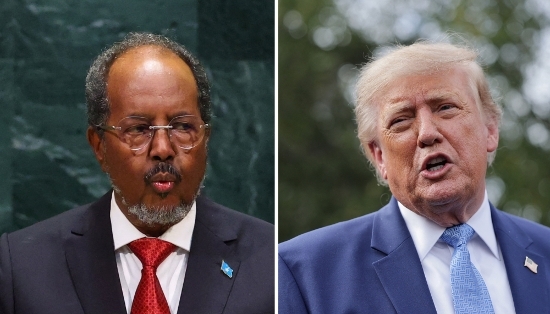
GOOBJOOG NEWS | MOGADISHU: Somalia’s efforts to strengthen ties with the administration of U.S. President Donald Trump are facing new challenges as political tensions in Washington intensify ahead of the November midterm elections, Africa Intelligence reported.
In a report titled “Midterm tensions sour Mogadishu-Washington relations,” the French publication said Somalia’s attempts to improve relations with the Trump administration were “running aground” amid an increasingly tense U.S. political environment.
Africa Intelligence said conservative circles in the United States were seeking to use a major scandal involving the diversion of public aid funds as a political issue against Democrats as the country moves towards the midterm elections.
The report places Somalia’s diplomatic efforts within a wider U.S. political environment in which domestic issues are increasingly shaping the debate ahead of the November vote. The midterm elections will determine the composition of both chambers of Congress for the remainder of Trump’s current term.
President Hassan Sheikh Mohamud has in recent months pursued closer engagement with Washington as Somalia seeks continued U.S. support for its security efforts, particularly the fight against Al-Shabaab and the strengthening of Somali security institutions.
The United States remains an important security partner for Somalia, providing military assistance and conducting operations against Al-Shabaab in coordination with Somali forces.
Africa Intelligence’s report suggests that the political climate in Washington is adding another layer of uncertainty to Mogadishu’s diplomatic efforts with the Trump administration. The publication did not, however, indicate that Washington had formally changed its Somalia policy because of the midterm elections.
The report comes against a broader backdrop of pressure on Somalia’s international partnerships. The country is navigating political disagreements at home while also seeking to maintain international support for its security transition and the African Union Support and Stabilisation Mission in Somalia (AUSSOM).
Relations with Washington are particularly important as Somalia faces questions over the future of international support for the African Union mission. The United States has been involved in discussions surrounding the mission’s financing and logistical support as Somalia gradually assumes greater responsibility for its security.
Africa Intelligence has also reported in recent months on concerns among Somalia’s Western partners over political divisions in Mogadishu and the country’s wider security situation. In September, the publication said a lack of bilateral cooperation and Somalia’s political crisis were frustrating some Western partners.
The challenge is therefore not limited to the outcome of the U.S. midterm elections but also efforts by Somalia to maintain engagement with an administration whose foreign-policy priorities are being shaped alongside a highly contested domestic political environment.
Neither the Somali government nor the White House has publicly announced a change in bilateral relations specifically linked to the U.S. midterm elections.
The Africa Intelligence report provides an assessment of the diplomatic environment rather than evidence of a formal policy shift by Washington.