
Somalia Urged to Shift From Disaster Response to Long-Term Preparedness
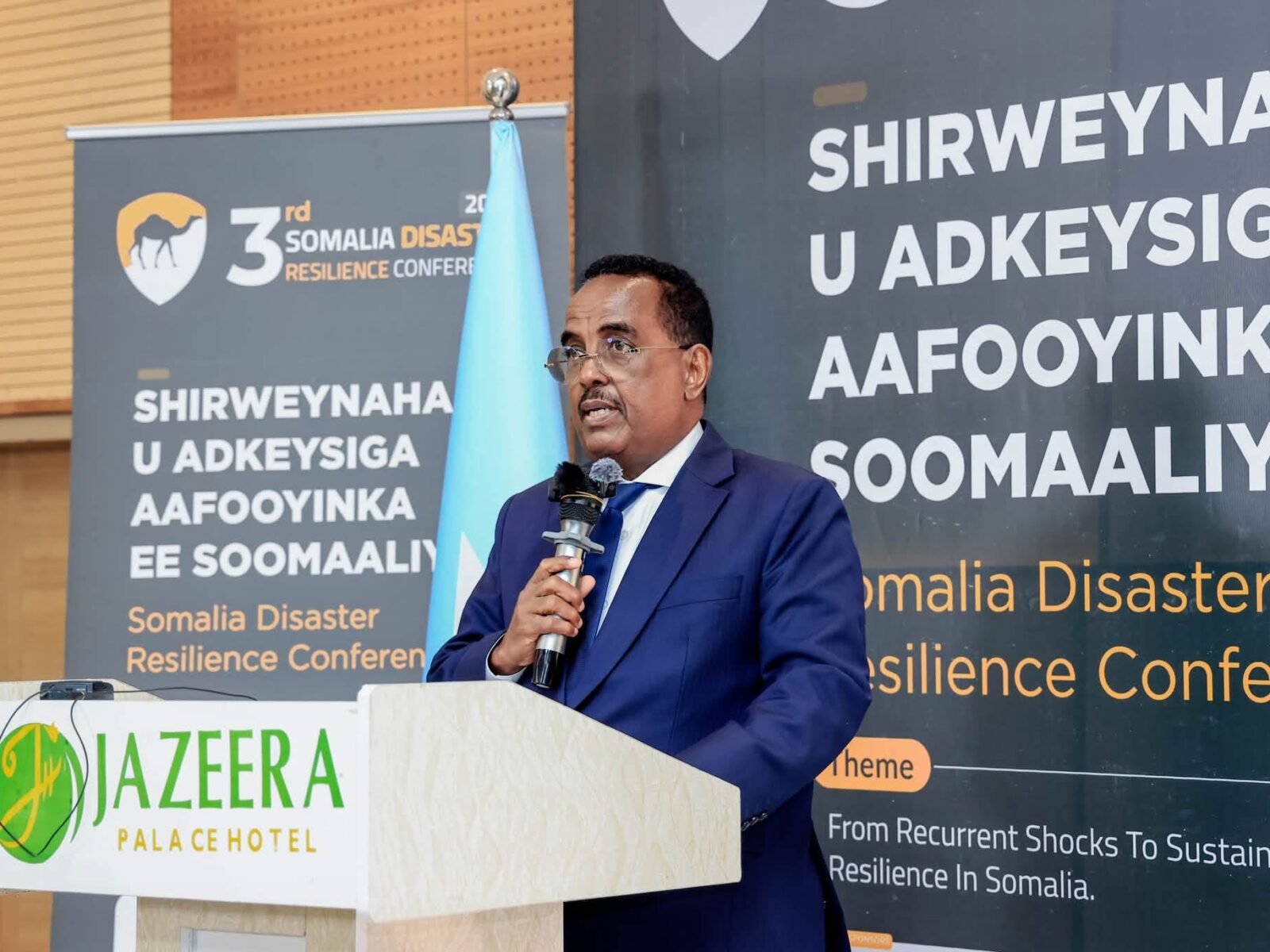
GOOBJOOG NEWS | MOGADISHU: Somalia must move beyond responding to disasters after they occur and invest more in prevention, preparedness and long-term resilience, Interior Minister Ali Yusuf Ali Hosh said on Tuesday, as the country faces continuing drought risks and the threat of seasonal flooding.
Opening the third Somalia Disaster Resilience Conference (SDRC 2026) in Mogadishu, Hosh said recurring droughts and floods had contributed to displacement, environmental degradation, food insecurity and poverty, highlighting the need for a more sustainable approach to disaster management.
Somalia was emerging from a period of drought while facing the possibility of flooding, he said, pointing to the difficulties authorities face in planning for emergencies in a country where rainfall patterns vary considerably.
“It is important that we move beyond emergency response and instead strengthen prevention, preparedness, sustainable recovery and long-term resilience,” Hosh said.
He reaffirmed the federal government’s commitment to building a national system capable of preventing disasters where possible and responding more effectively when they occur. He also expressed hope that the conference’s research, discussions and recommendations would help shape government policies, planning and decision-making.
The two-day conference is jointly organised by the Somali Disaster Management Agency (SoDMA) and Mogadishu University. It brings together government officials, researchers, disaster management specialists and other stakeholders to examine ways of reducing communities’ vulnerability to recurring emergencies.
SoDMA Commissioner Mahamuud Moallim Abdulle said repeated disasters had caused significant humanitarian and socioeconomic challenges across Somalia, making collective action, research and effective planning essential to improving preparedness.
Mogadishu University President Ibrahim Mohamed Mursal highlighted the role of research, knowledge-sharing and collaboration in understanding disaster risks, preventing recurring crises and building resilient communities.
He called for inclusive and sustainable solutions and pledged that the university would continue working with government institutions, the private sector and the business community to support the country’s disaster resilience efforts.
Somalia is particularly vulnerable to climate-related shocks, including prolonged droughts and seasonal floods, which can disrupt livelihoods, damage infrastructure and worsen food insecurity. Repeated emergencies also place pressure on humanitarian operations and public resources, reinforcing the importance of preparedness and early action alongside emergency assistance.
The conference provides a platform for government institutions, academics and other partners to consider how research and stronger coordination can inform national disaster policies and improve the country’s capacity to anticipate, manage and recover from future crises.