
South West State Steps Up Preparations for Forecast El Niño Floods
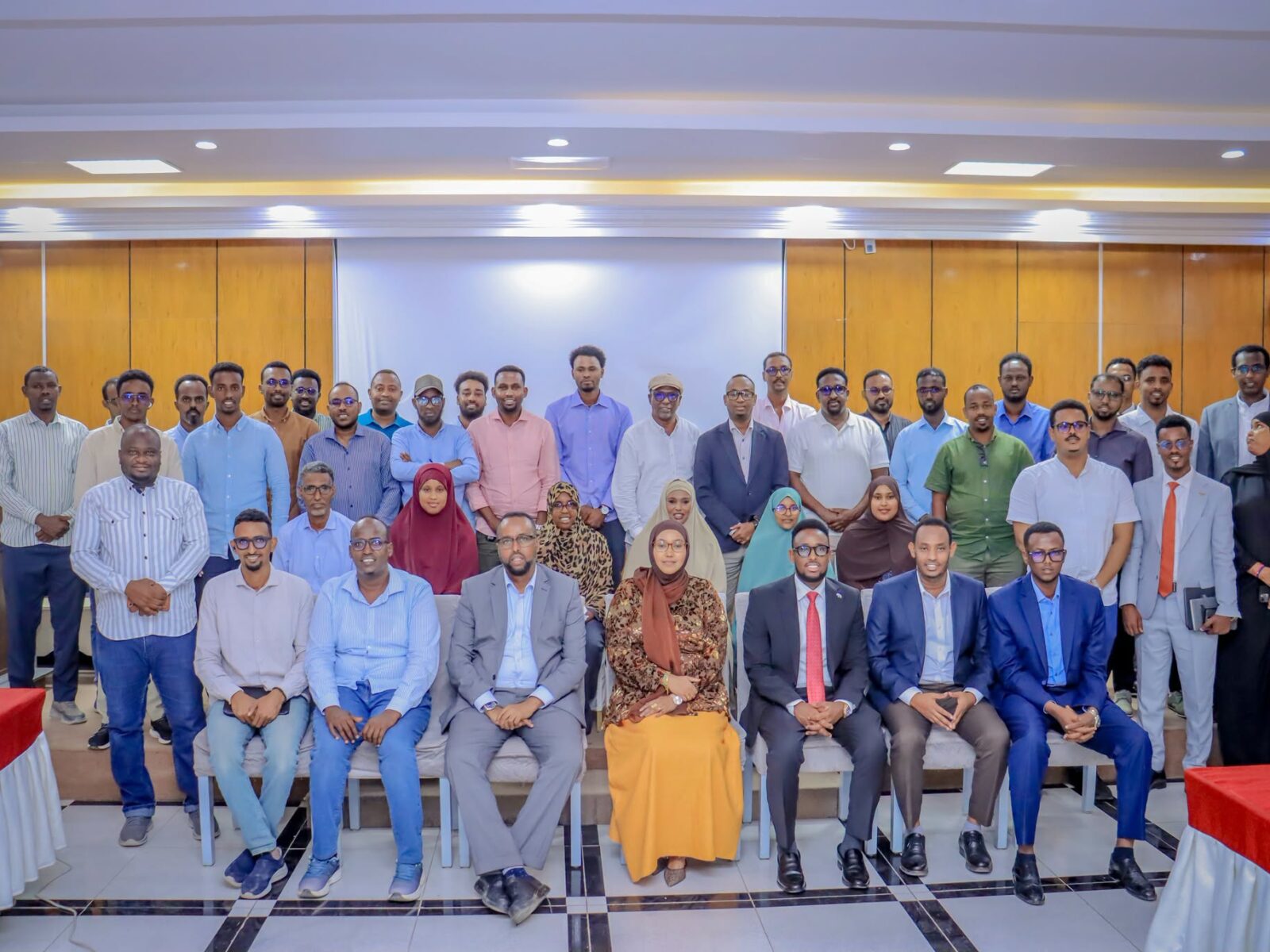
GOOBJOOG NEWS | MOGADISHU: Somalia’s South West State has stepped up preparations for possible floods linked to the forecast El Niño weather conditions, as authorities meet humanitarian agencies to assess needs and coordinate an emergency response in flood-prone areas of Lower Shabelle.
A ministerial committee overseeing preparedness and response to the effects of El Niño, led by South West State Minister for Relief Abdinasir Abdi Arush, met humanitarian organisations operating in districts across Lower Shabelle to review current needs and preparations for possible flooding and river overflows.
Officials presented the latest information on the El Niño outlook, with rains expected to begin in the coming days. Authorities said communities living along river areas could be particularly exposed to flooding if rainfall intensifies and water levels rise.
The meeting focused on ensuring that relief agencies are positioned to respond quickly if flooding occurs, including assessing the needs of vulnerable communities and strengthening coordination between state authorities and humanitarian organisations.
South West State authorities pledged to facilitate the work of aid agencies operating in the region, with the aim of improving preparedness and ensuring that emergency assistance can reach communities affected by floods and river overflows.
The meeting brought together South West State ministers responsible for planning, women’s affairs, energy and water, as well as traditional elders, Lower Shabelle regional officials and the regional humanitarian coordinator.
Lower Shabelle is among Somalia’s areas regularly exposed to flooding, particularly in communities located along the Shabelle River. Flooding can disrupt roads, damage farmland and displace communities, adding pressure to populations already facing humanitarian and livelihood challenges.
The preparations come as Somali authorities and humanitarian agencies continue to monitor seasonal rainfall and climate forecasts and strengthen early-warning and emergency-response measures ahead of the expected rains.