
Strait of Hormuz Tensions Escalate as Iran Renews Shipping Threats, Raising Global Energy Concerns
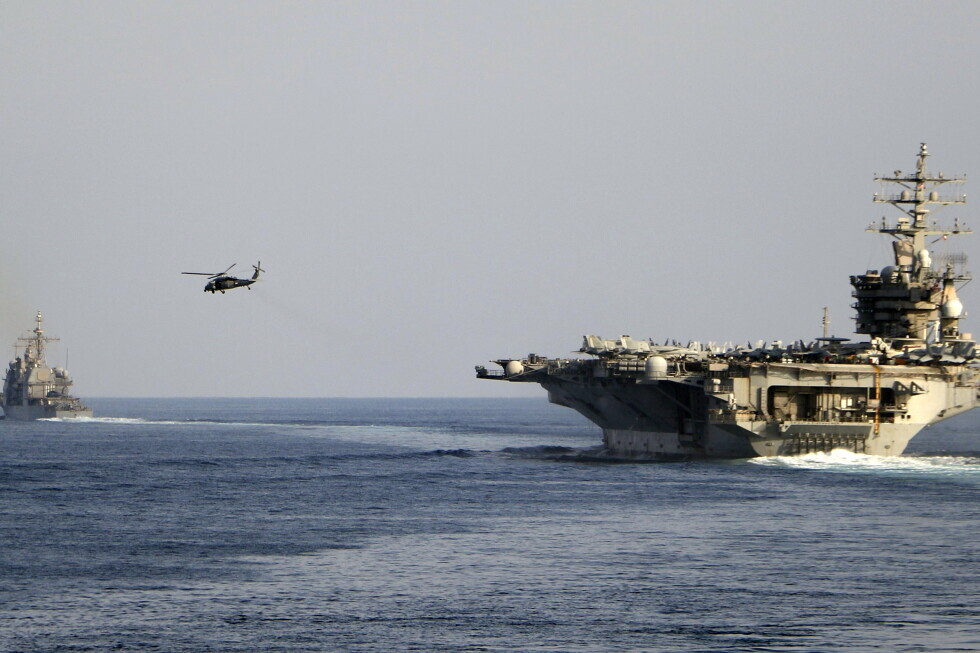
GOOBJOOG NEWS|STRAIT OF HORMUZ: The Strait of Hormuz, one of the world’s most strategically important maritime chokepoints, is once again at the center of rising tensions after Iran declared the waterway closed to unauthorized vessels following renewed military exchanges with the United States, fueling concerns over global oil supplies and commercial shipping.
Iran announced on Saturday that it had closed the narrow waterway after fresh U.S. strikes on Iranian targets, while also launching attacks against U.S. military installations in several Gulf countries. Tehran said the measures were aimed at responding to what it described as American aggression and protecting its national security.
Washington, however, rejected Iran’s assertion that it had effectively shut the shipping lane, saying commercial vessels continue to transit the strait despite heightened security risks. U.S. officials have demanded that Tehran publicly commit to ending attacks on commercial shipping and guarantee freedom of navigation through the waterway.
The latest escalation follows several days of increasing maritime insecurity. Shipping companies have slowed tanker movements through the strait as insurers raised risk assessments and vessel operators reassessed routes amid fears of missile, drone and naval attacks. Maritime tracking data showed a noticeable decline in daily tanker traffic compared with normal volumes.
The Strait of Hormuz links the Persian Gulf with the Gulf of Oman and the Arabian Sea. Roughly one-fifth of the world’s oil consumption and significant volumes of liquefied natural gas pass through the narrow passage every day, making any disruption a major concern for global energy markets.
Volatile Oil Prices
Oil prices have remained volatile as traders weigh the risk of prolonged supply disruptions against expectations that diplomatic efforts could eventually restore normal shipping. Prices eased slightly at the end of the week after some investors expressed cautious optimism that commercial navigation would resume more smoothly despite the ongoing conflict.
Diplomatic efforts are continuing behind the scenes, with Oman once again playing a mediating role between Tehran and Washington. Iranian Foreign Minister Abbas Araqchi and Omani officials have discussed arrangements for maritime navigation and broader talks aimed at reducing tensions, although no breakthrough has been announced.
The United Nations’ shipping agency has also warned that unilateral attempts to control navigation through the strait would undermine international maritime law. A document circulated by the agency urged countries not to recognize efforts by any state to impose exclusive control over the internationally significant waterway.
The renewed crisis underscores the vulnerability of one of the world’s busiest energy corridors. Even without a complete blockade, analysts say higher insurance premiums, slower shipping, and rerouted vessels are likely to increase transportation costs, with potential knock-on effects for fuel prices, inflation and global trade if the standoff persists.