
Then and Now: Mogadishu’s 1963 Municipal Elections and the Return of the Ballot
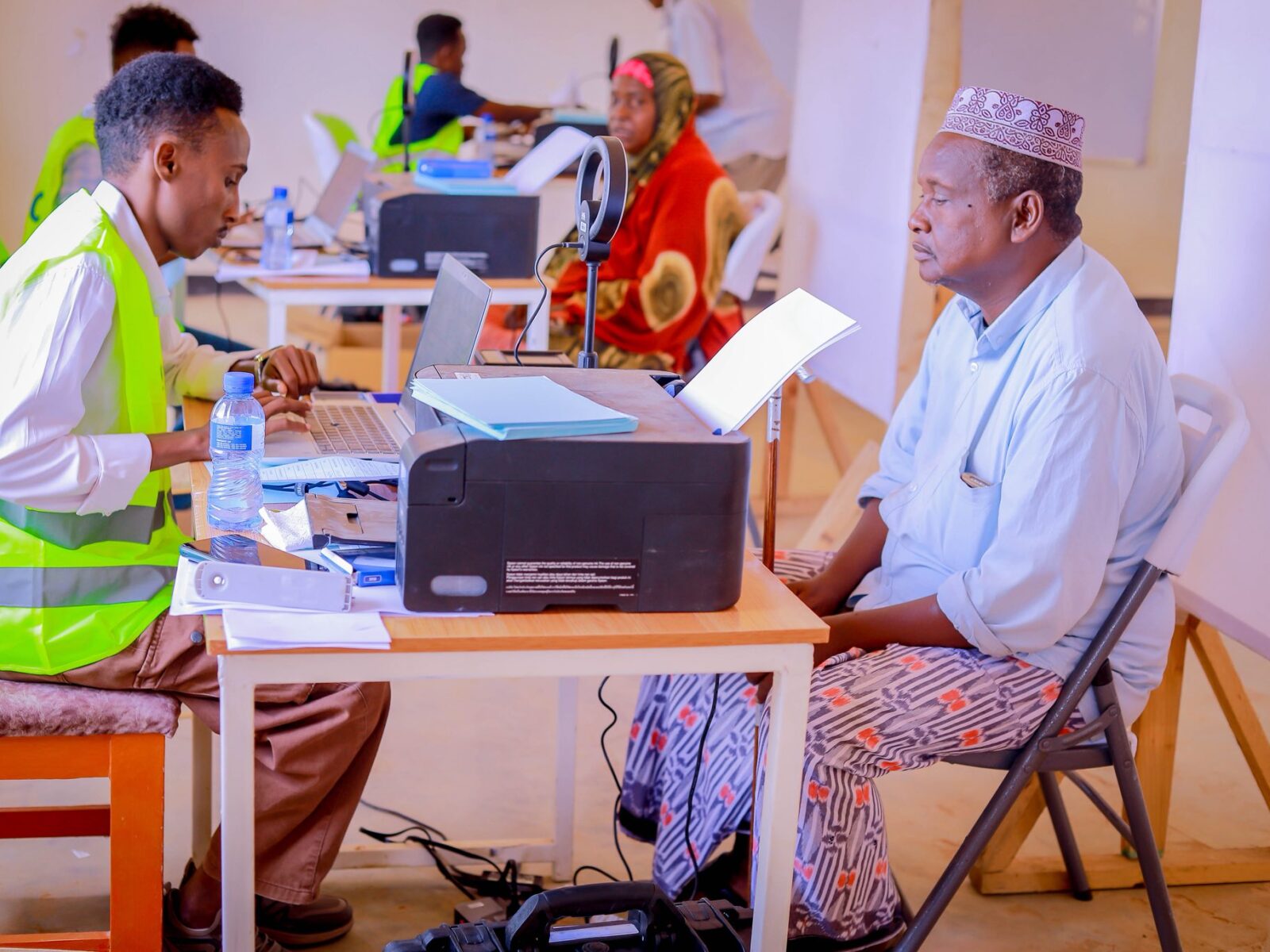
GOOBJOOG NEWS|MOGADISHU: s Mogadishu prepares for local council elections under a one person, one vote system, the moment invites comparison with a largely forgotten chapter in Somalia’s democratic history: the 1963 municipal elections, the last clear precedent for elected local government before the military takeover of 1969.
Mogadishu before 1969: a city that voted
After independence in 1960, Somalia adopted a civilian, parliamentary system that combined strong central authority with elected local councils. While regional and district administrators were appointed by the central government, municipal councils were elected, giving cities like Mogadishu a direct political voice at the local level.
The most consequential test of this system came in November 1963, when Somalia held nationwide municipal elections. These polls followed the country’s first parliamentary elections and were part of an effort to entrench democratic practice beyond the national legislature.
In Mogadishu, voters elected a city council that exercised real authority over municipal affairs, including local taxation, budgeting, urban planning and service oversight. The council was not symbolic. It met, debated, passed resolutions and, crucially, selected the city’s mayor from among its members.
Political competition and party dominance
The 1963 municipal elections were competitive, but they also revealed early structural imbalances. The Somali Youth League (SYL), the dominant nationalist party that had led the independence struggle, won an overwhelming majority of municipal seats nationwide, including in Mogadishu.
Opposition parties complained of unfair advantages enjoyed by the ruling party, including access to state resources and influence over administrative structures. While the elections were broadly accepted as legitimate, they exposed tensions that would later deepen in national politics.
Still, the vote marked a period when citizens directly shaped local governance, and municipal councils functioned as political institutions rather than extensions of the executive.
The last elected council before the collapse
Following the 1963 vote, Mogadishu’s newly elected council convened in early 1964 and elected a mayor, reinforcing the principle that local leadership flowed from the ballot, not appointment.
This democratic cycle continued, unevenly, until 1969, when Somalia held combined parliamentary and municipal elections in March. Months later, the military seized power in October, dissolved elected institutions and abolished local councils as political bodies. For the next two decades, municipal governance became a purely administrative function of the state.
Why 1963 still matters today
The 1963 municipal elections matter because they show that direct local democracy in Mogadishu is not a new experiment, but a return to an interrupted tradition. They demonstrated that citizens once elected councils with real authority over local governance, that political legitimacy flowed from the ballot rather than appointment, and that local elections formed part of a broader democratic cycle linked to national politics. As Mogadishu votes again today, 1963 stands as the closest historical reference point for what one person, one vote once looked like in the city, and what it could become again if sustained.
A partial restoration, not a reinvention
By returning to direct local elections in Mogadishu, Somalia is not inventing something new. It is reviving an interrupted democratic practice, one that existed before authoritarian rule reshaped the state.
Whether this moment becomes a foundation for the planned 2026 elections, or remains an isolated experiment, will depend on political consensus, security realities and public trust. But historically, Mogadishu has been here before — and it voted.