
U.S. Counterterrorism Chief Resigns Over Iran War, Trump Calls Him “Weak on Security”
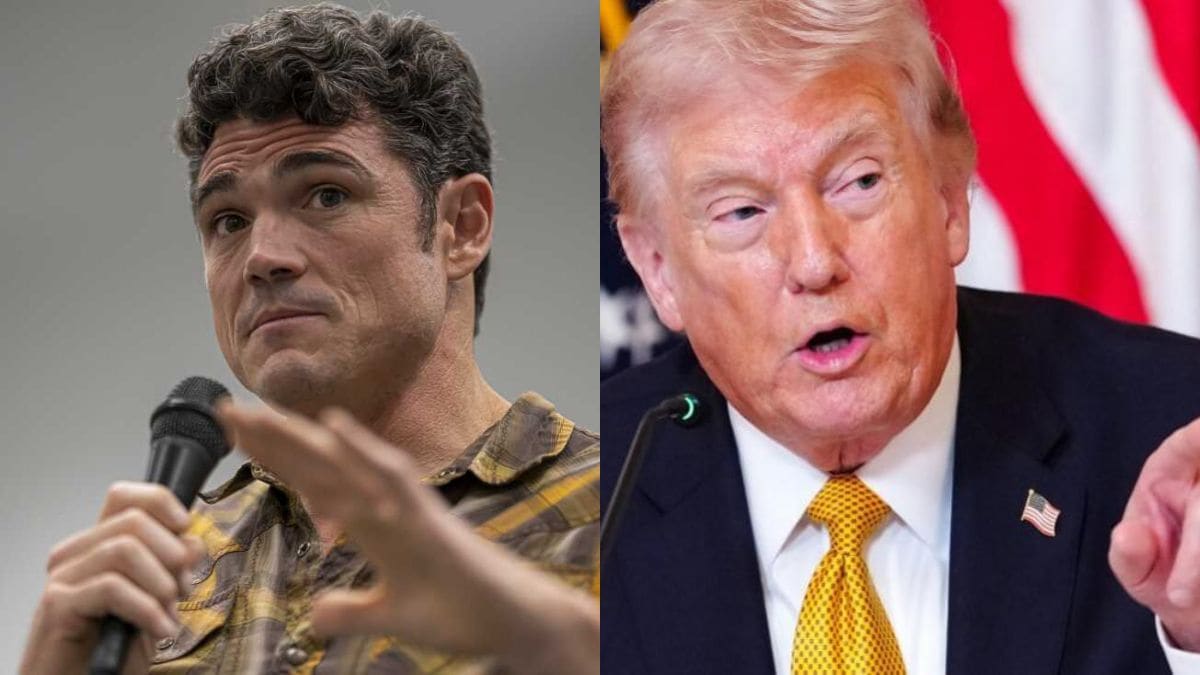
GOOBJOOG NEWS|WASHINGTON: The Director of the U.S. National Counterterrorism Center, Joe Kent, has resigned in protest over President Donald Trump’s handling of the war with Iran, accusing the administration of launching the conflict despite what he said was no imminent threat to the United States.
In a resignation letter addressed to Trump and circulated online, Kent said he could no longer support the war and alleged that the administration had been pushed into the conflict by pressure from Israel and what he called its influential American lobby. He argued that Trump had previously campaigned against prolonged Middle East wars and warned that the United States was now repeating the kind of mistake that led to the Iraq war.
Kent, a veteran and former congressional candidate, said his decision followed “much reflection” and took effect immediately. In the letter, he appealed directly to Trump to reconsider the U.S. course in Iran, saying the conflict did not serve American interests and risked dragging the country into another costly and open-ended war.
Trump swiftly pushed back against Kent’s claims. According to multiple reports, the president dismissed Kent after the resignation, saying it was “a good thing that he’s out” and describing him as “very weak on security.” Trump also defended the military action, maintaining that Iran posed an imminent nuclear threat and that the administration acted to protect U.S. interests.
The White House has also rejected Kent’s account of events. Reports say administration officials, including Press Secretary Karoline Leavitt and Director of National Intelligence Tulsi Gabbard, defended the decision to strike Iran and insisted the threat assessment justified the action.
Kent’s departure appears to make him one of the most senior Trump administration officials to publicly break with the president over the Iran war, exposing rare internal dissent at a time of deepening tension over the conflict and its wider regional consequences.