
U.S. Launches Fresh Strikes on Iran After Attacks on Commercial Ships in Strait of Hormuz
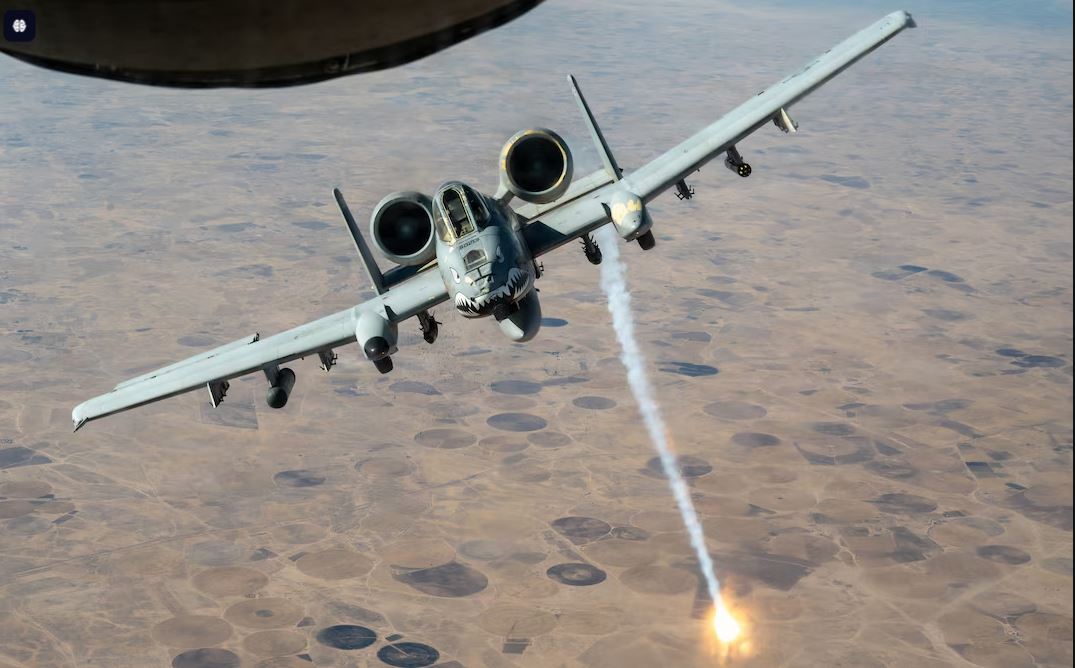
GOOBJOOG NEWS|IRAN: The United States says its military has carried out a new wave of airstrikes against Iran, targeting more than 80 military sites in response to what Washington described as recent Iranian attacks on commercial vessels transiting the strategic Strait of Hormuz.
In a statement issued on Tuesday, U.S. Central Command (CENTCOM) said the July 7 operation struck Iranian air defense systems, command and control networks, coastal radar installations, anti-ship missile capabilities, and more than 60 small boats belonging to the Islamic Revolutionary Guard Corps (IRGC).
According to CENTCOM, the strikes were intended to degrade Iran’s ability to continue attacking international shipping in one of the world’s busiest maritime trade routes.
The U.S. military said the latest action came after Iran allegedly attacked three commercial tankers sailing through the Strait of Hormuz: the Marshall Islands-flagged M/T Al Rekayyat, the Saudi Arabia-flagged M/T Wedyan, and the Liberian-flagged M/T Cyprus Prosperity.
Washington described the attacks as “unwarranted aggression” and accused Tehran of violating a ceasefire agreement while undermining freedom of navigation through the vital waterway.
“CENTCOM forces remain postured and prepared to hold Iran accountable when the agreement is not adhered to or obeyed,” the statement said.
The Iranian government had not immediately responded publicly to the U.S. claims.
The latest military action marks another escalation in tensions between Washington and Tehran following weeks of instability in the Gulf. The United States and Iran had recently agreed to a ceasefire after a brief but intense period of hostilities that included U.S. strikes on Iranian nuclear facilities and Iranian retaliatory missile attacks targeting American military installations in the region.
The renewed confrontation raises concerns over the security of the Strait of Hormuz, a narrow waterway linking the Persian Gulf to the Gulf of Oman and the Arabian Sea. Roughly one-fifth of the world’s seaborne oil trade passes through the strait, making it one of the most strategically important maritime chokepoints globally.
Any disruption to shipping through the corridor has the potential to affect global energy supplies, international trade, and oil prices.
The United States has repeatedly maintained that it will continue military operations to protect freedom of navigation and safeguard commercial shipping in the region, while Iran has long opposed the presence of U.S. forces in the Gulf and has previously threatened to restrict maritime traffic during periods of heightened tensions.
The latest strikes are likely to further strain already fragile relations between the two countries and increase fears of a broader regional conflict if diplomatic efforts fail to prevent further escalation.