
Uganda Approves Plan to Send Troops to Gaza International Force
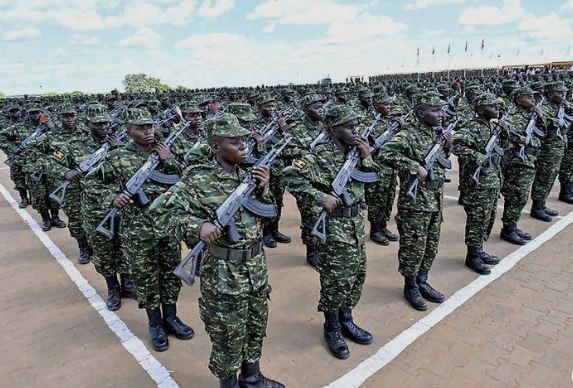
GOOBJOOG NEWS | KAMPALA: Uganda’s parliament has approved a government plan to send troops to Gaza as part of a proposed international stabilisation force, making it one of the first countries to publicly authorise participation in the mission.
Defence Minister Kiryowa Kiwanuka told MPs that Uganda’s experience in peacekeeping and stabilisation operations, including its long-running military involvement in Somalia, made its forces suitable for the proposed mission.
The vote does not mean Ugandan troops are being deployed immediately. It gives the government the legal and political authority to participate if the international force goes ahead and the necessary agreements are concluded.
The proposed force is intended to help provide security in Gaza during a transition following an Israeli military withdrawal and the implementation of a wider ceasefire and governance plan. It is expected eventually to number about 20,000 personnel and is to be commanded by US Major General Jasper Jeffers.
Uganda’s decision has prompted questions from opposition MPs over the country’s role in Gaza and the potential diplomatic consequences. MP Hassan Kirumira questioned who Ugandan soldiers would report to and what their responsibilities would be if they entered the territory.
Mr Kiwanuka said the details of the deployment would be governed by a formal agreement.
Uganda has extensive experience in international peacekeeping, particularly in Somalia, where its troops have served since the African Union’s first mission against al-Shabab began in 2007. Kampala has also deployed forces in other African conflict zones.
The Gaza mission, however, faces significant uncertainty. The international force has been planned for months, but the scale and timing of troop contributions have remained unclear. Five countries — Albania, Indonesia, Kazakhstan, Kosovo and Morocco — previously declared an intention to contribute forces, while discussions with additional countries have continued.
The United Nations-backed framework envisages the force supporting ceasefire monitoring, protecting civilians, facilitating humanitarian operations and helping establish security arrangements during Gaza’s transition.
For Uganda, the decision represents a major expansion of its international military role beyond Africa. It could also bring diplomatic risks, particularly because Uganda is a member of the Organisation of Islamic Cooperation and maintains longstanding relations with Muslim-majority countries.
The immediate question is now whether the proposed stabilisation force can move from planning to deployment, and what rules and political arrangements will govern foreign troops operating in Gaza.