
US Calls on Ethiopia and Eritrea to De-escalate Border Tensions
GOOBJOOG NEWS | WASHINGTON: The United States has called on Ethiopia and Eritrea to de-escalate rising tensions and resolve their differences through diplomacy, amid reports of military movements near their shared border and growing fears of another conflict in the Horn of Africa.
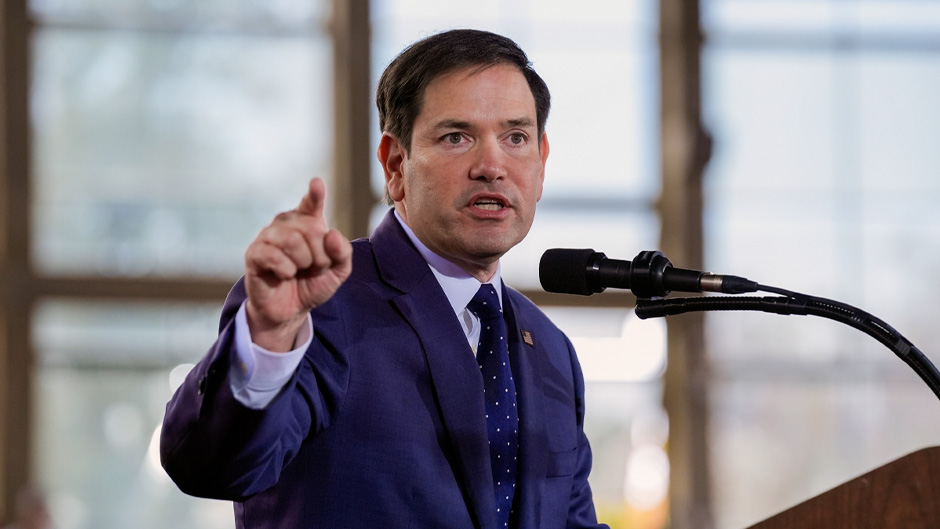
US Secretary of State Marco Rubio urged both countries to refrain from actions that could further destabilise the region, as reports of troop deployments and heavy military equipment near Zalambessa raised concerns about a possible confrontation.
Ethiopia and Eritrea have exchanged accusations of aggression and interference, reflecting a deterioration in relations between two countries that fought a devastating border war between 1998 and 2000.
The latest tensions come amid renewed instability in Ethiopia’s northern Tigray region, where fighting and political divisions have raised concerns about the durability of the peace agreement that ended the region’s two-year civil war.
Human Rights Watch has reported that strikes in southern Tigray have harmed civilians and disrupted healthcare services, adding to the difficulties faced by communities still recovering from years of conflict.
The reports of military activity and civilian casualties have not been independently verified by Goobjoog News.
Ethiopia and Eritrea were allies during the Tigray conflict between 2020 and 2022, when Eritrean forces supported Ethiopian federal troops against Tigrayan fighters.
However, relations between Addis Ababa and Asmara deteriorated following the November 2022 Pretoria peace agreement, which ended major hostilities between Ethiopia’s federal government and Tigrayan forces.
Eritrea was not a signatory to the agreement, and subsequent disagreements over security arrangements, political developments in Tigray and Ethiopia’s ambitions for access to the sea have contributed to growing mistrust.
Ethiopia, the world’s most populous landlocked country, has repeatedly emphasised the importance of securing reliable maritime access, while Eritrea has remained sensitive to developments affecting its sovereignty and Red Sea coastline.
A direct confrontation between Ethiopia and Eritrea could have consequences beyond their borders, particularly for Somalia and the wider Horn of Africa.
Ethiopia contributes troops to security operations in Somalia, where Somali forces and international partners continue efforts to combat Al-Shabaab.
A major conflict involving Ethiopia could place additional pressure on its military resources and potentially affect its regional security commitments, although no changes to its deployment in Somalia have been announced.
Renewed fighting could also trigger displacement, disrupt cross-border trade and increase instability around the Red Sea, an important route for international shipping.
For Somalia, the prospect of further regional instability comes as Mogadishu seeks to strengthen national security institutions, maintain international security partnerships and expand economic cooperation with neighbouring countries.
Washington’s appeal for restraint reflects growing concern that tensions between Ethiopia and Eritrea could develop into a wider crisis if diplomatic efforts fail.
Neither country has announced a formal decision to enter into war, and the extent of the reported military deployments remains unclear.