
US-IRAN TALKS IN MUSCAT: Managing Risk amid High Tension
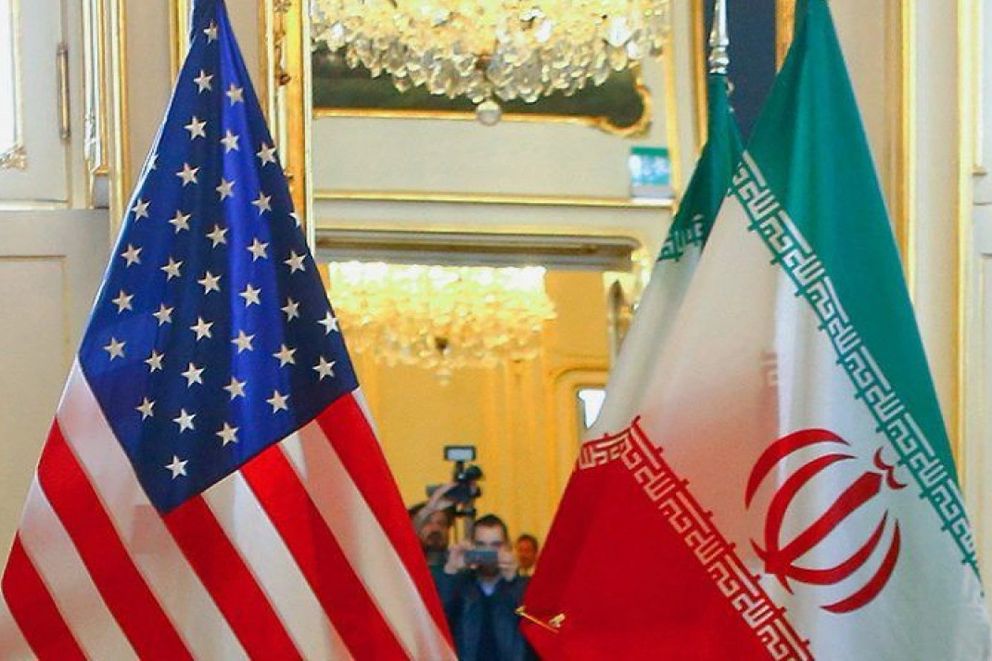
When Iranian and American officials meet in Muscat on Friday, global attention will focus on a stage long associated with high-stakes diplomacy.
The venue is set, but the format, agenda, and potential for a substantive outcome remain uncertain. This ambiguity is not incidental; it reflects the reality of US-Iran relations today, where cautious negotiation coexists with the constant threat of confrontation.
Oman’s selection as host is both practical and symbolic. Muscat has historically offered a discreet channel for adversaries unable to meet openly, from the back-channel diplomacy that helped pave the 2015 nuclear deal to last year’s indirect talks. Oman provides what few others can: a trusted, low-profile environment conducive to sensitive negotiations.
The venue itself was a point of contention. Iran reportedly sought bilateral talks focused narrowly on nuclear issues and sanctions relief, while the US initially resisted before agreeing to proceed.
Reports that nine regional governments urged Washington not to cancel highlight the wider stakes: even limited engagement is preferable to renewed instability in a region already fraught with tension.
DIVERGENT AGENDAS
The core challenge is substantive. Tehran insists discussions be limited to its nuclear programme and sanctions relief, asserting that missiles and regional influence are off the table. From Iran’s perspective, these are core security concerns, particularly against the backdrop of heightened US military deployments.
Washington takes a broader view. US officials have emphasised ballistic missiles, regional sponsorship of armed groups, human rights, and nuclear compliance as part of any “meaningful” engagement. This reflects longstanding concern that deals addressing only one facet of Iran’s behaviour risk leaving other strategic threats unmitigated.
The result is a structural impasse. Each side’s position is politically rational domestically but incompatible with the other’s priorities. In such circumstances, the form, tone, and indirect nature of talks can matter as much as substance.
Tensions in the Middle East remain acute. In recent days, US forces shot down an Iranian drone near the USS Abraham Lincoln in the Arabian Sea, while Iranian officials warned that US and Israeli bases would become “legitimate targets” if attacked. These incidents illustrate the narrow margin for miscalculation.
Even narrowly framed talks carry value. They clarify red lines, reduce the risk of accidental escalation, and maintain channels for de-escalation that have otherwise been absent. Last year’s Omani-mediated rounds ultimately collapsed, but they provided a temporary stabilising effect amid heightened regional volatility.
REDEFINING SUCCESS
Expectations of a breakthrough in Muscat should be modest.
Neither side appears politically prepared to make major concessions, nor are public expectations low. Yet success may not require an agreement. Maintaining dialogue, preventing escalation, and creating space for negotiation can themselves be crucial outcomes.
The stakes extend far beyond the Middle East. Renewed conflict could disrupt global energy markets, threaten key shipping lanes, and destabilise fragile regional alliances.
In this context, even inconclusive diplomacy serves a pragmatic function: buying time and lowering immediate risks.
Muscat represents, above all, a pause, a carefully brokered interval in a landscape dominated by mutual suspicion and repeated crises.
Whether it can evolve into sustained engagement will depend on Washington and Tehran’s willingness to narrow not only their negotiating agendas but also their expectations of each other.
The challenge is not simply to reach an agreement but to manage risk in an environment where missteps could have global consequences.
In a period of heightened tension, even limited dialogue is a form of progress.
As officials prepare to meet, the world will watch not only for announcements but for subtle signs of de-escalation, understanding that in US-Iran relations, the absence of conflict can be as significant as the presence of accord.
By: Fauxile Kibet