
Washington Expands Ebola Aid to Kenya as Quarantine Plan Draws Debate
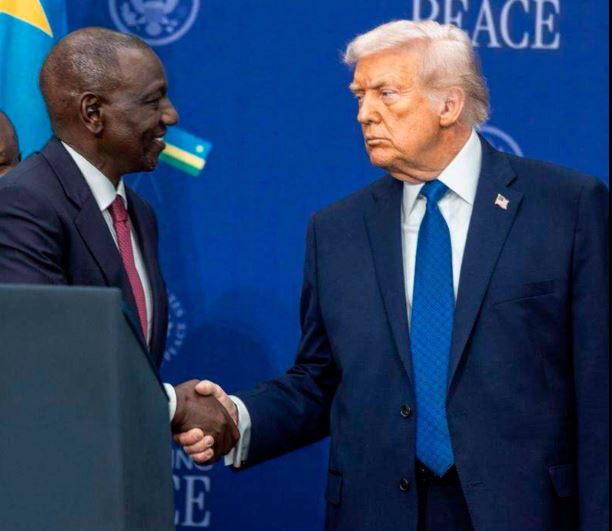
GOOBJOOG NEWS | NAIROBI: The United States has pledged an additional $13.5 million to strengthen Kenya’s Ebola preparedness and emergency response systems following talks between U.S. Secretary of State Marco Rubio and Kenyan President William Ruto, the U.S. State Department said on Thursday.
The funding announcement came after a phone call between the two leaders focused on the ongoing Ebola outbreak in parts of East and Central Africa and efforts to prevent further regional spread of the deadly virus.
In a statement released by the State Department, Washington said the new assistance package would support Kenya’s disease surveillance, emergency response coordination and access to critical medical supplies as neighbouring countries remain on heightened alert.
“The two leaders agreed to maintain close coordination as the situation evolves,” the statement said, adding that the United States had already committed more than $112 million in bilateral support toward the broader regional Ebola response.
The latest funding underscores Kenya’s growing role as a frontline regional health security hub, with Nairobi frequently serving as a centre for humanitarian operations, medical logistics and emergency coordination during crises affecting East Africa and the Great Lakes region.
Kenya has intensified preparedness measures in recent months, including enhanced airport and border screening, rapid response training and cross-border surveillance, amid concerns that increased regional movement could heighten the risk of transmission.
Although Kenya has not recorded a major Ebola outbreak in recent years, health authorities remain cautious due to the country’s extensive trade routes, refugee movements and transport links connecting it to neighbouring states.
The East African nation has also invested heavily in strengthening its public health infrastructure since the COVID-19 pandemic, building on lessons learned from previous outbreaks including cholera, mpox and regional Ebola scares.
MIXED REACTIONS
However, the latest U.S.-Kenya health arrangement has triggered mixed reactions among Kenyans, particularly following reports that a U.S.-supported Ebola quarantine facility could be established at Laikipia Air Base for Americans exposed to the virus in the region.
While government officials have defended the cooperation as part of broader global health security efforts, some Kenyan medical unions, civil society groups and opposition voices have raised concerns over transparency, public safety and whether the country risks carrying a disproportionate burden in the international response.
The Kenya Medical Practitioners, Pharmacists and Dentists Union (KMPDU) has called for more public disclosure regarding the agreement, while legal lobby groups including the Katiba Institute have sought court intervention demanding the release of health and biosafety safeguards linked to the proposed facility.
At the same time, supporters of the deal argue the funding could significantly strengthen Kenya’s disease preparedness systems, improve emergency medical infrastructure and further cement Nairobi’s position as a leading regional health and diplomatic hub.
Kenya’s government has insisted that any international cooperation would strictly comply with national biosafety regulations and public health laws, while emphasizing that protecting Kenyan citizens remains the top priority.
Washington described its partnership with Kenya as critical to safeguarding regional public health and preventing wider international spread of infectious diseases.
The discussions between Rubio and Ruto also reflect broader U.S. efforts to deepen strategic ties with Kenya, one of Washington’s closest allies in Africa, amid expanding cooperation on health security, trade, counterterrorism and regional stability.
Kenya was designated a major non-NATO ally by the United States earlier this year, further elevating relations between the two countries as Nairobi seeks to position itself as a leading diplomatic and economic power in East Africa.