
World Oceans Day: Somalia and the Untapped Promise of the Blue Economy
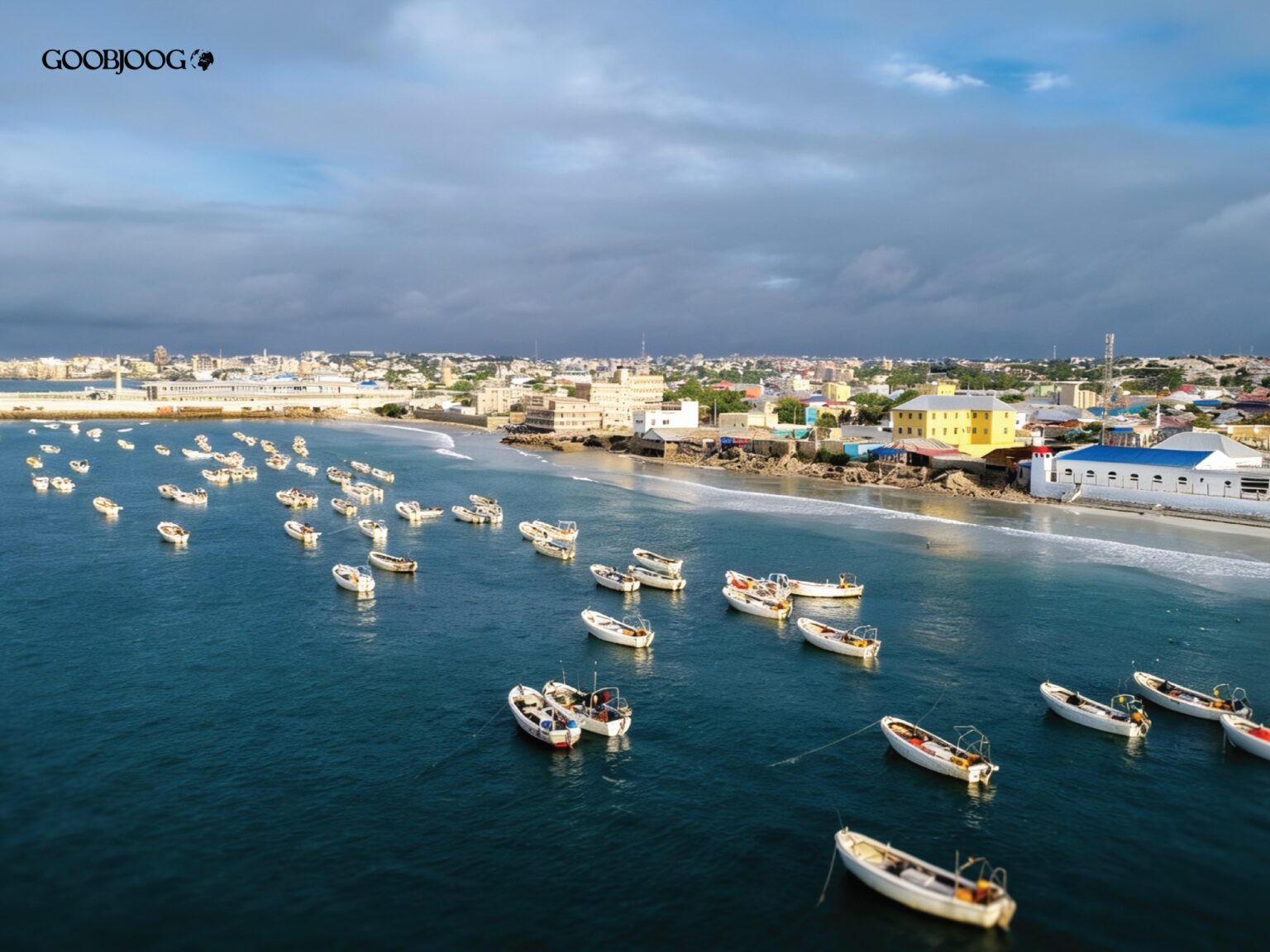
Every year on June 8, the world marks World Oceans Day, a global observance that highlights the vital role oceans play in sustaining life, supporting economies, and protecting the environment.
Oceans are far more than routes for ships and global trade. They are the foundation of life on Earth. Covering more than 70% of the planet’s surface, oceans produce a significant portion of the oxygen we breathe, regulate the climate, and drive the water cycle that brings rainfall to communities around the world.
The concept of World Oceans Day was first proposed at the 1992 United Nations Conference on Environment and Development in Rio de Janeiro, Brazil. In 2008, the United Nations General Assembly officially designated June 8 as World Oceans Day, with the first official observance taking place in 2009.
The day carries a simple but urgent message: protect the oceans, combat pollution, and ensure that future generations can benefit from marine resources just as people do today.
Oceans and the Global Economy
Millions of people around the world depend on the oceans for their livelihoods. Fisheries, shipping, tourism, renewable energy, and maritime trade are among the most important drivers of the global economy.
At the same time, the world’s oceans face growing threats from pollution, overfishing, plastic waste, oil spills, and climate change. These challenges have prompted governments, international organizations, and environmental groups to intensify efforts to safeguard marine ecosystems and promote sustainable use of ocean resources.
Somalia: Africa’s Longest Coastline and a Strategic Maritime Asset
When it comes to marine resources, Somalia is among the most fortunate countries in Africa. The country boasts more than 3,300 kilometers of coastline along the Indian Ocean and the Gulf of Aden, making it home to the longest coastline on the African continent.
These waters contain vast natural resources, including fisheries, offshore energy potential, marine biodiversity, and opportunities linked to maritime trade and transportation. Somalia’s strategic location near some of the world’s busiest shipping lanes further enhances its importance in regional and global commerce.
Yet despite this enormous potential, the benefits derived from Somalia’s maritime resources remain limited. Illegal, unreported and unregulated (IUU) fishing, weak maritime enforcement capacity, underinvestment, and governance challenges continue to hinder the full development of the country’s blue economy.
For decades, Somali waters have been targeted by foreign vessels accused of engaging in illegal fishing practices, depriving local communities and the national economy of valuable resources and revenue.
The Growing Threat of Marine Pollution
Like many coastal nations, Somalia faces increasing environmental pressures from marine pollution.
Plastic waste is among the most visible threats. Once it enters the ocean, it can harm fish, marine mammals, seabirds, and other wildlife. Over time, microplastics can enter the food chain, ultimately affecting human health.
There have also been recurring concerns about industrial waste and hazardous materials being dumped along Somalia’s coastline. If left unchecked, such practices could pose serious risks to marine ecosystems, public health, and the sustainability of coastal livelihoods.
Rebuilding Somalia’s Navy and Protecting Marine Resources
As Somalia continues efforts to rebuild its national institutions, strengthening the Somali Navy has become an increasingly important priority.
A country with Africa’s longest coastline cannot effectively protect its maritime resources without a capable naval force. A strong navy plays a crucial role not only in national defense but also in safeguarding economic assets and environmental resources.
Key responsibilities of the Somali Navy include:
- Combating illegal fishing and protecting marine resources.
- Monitoring and preventing marine pollution.
- Securing coastal waters and maritime trade routes.
- Countering piracy and maritime crime.
- Defending Somalia’s territorial waters and sovereignty.
Strengthening maritime security institutions is therefore essential for unlocking the full potential of Somalia’s blue economy.
A Shared Responsibility
Protecting the ocean is not solely the responsibility of governments and security agencies. Citizens, fishermen, businesses, schools, universities, religious leaders, and the media all have important roles to play.
Reducing pollution, promoting environmental awareness, supporting sustainable fishing practices, and encouraging responsible use of marine resources are collective responsibilities that benefit present and future generations alike.
Looking Ahead
World Oceans Day serves as a reminder that healthy oceans are essential to human prosperity and environmental sustainability.
For Somalia, the ocean represents more than a geographic advantage—it is a strategic national asset with the potential to drive economic growth, create jobs, strengthen food security, and enhance national resilience.
Realizing that potential will require stronger environmental protection, effective action against illegal fishing, increased investment in maritime industries, and continued efforts to build capable institutions that can safeguard the country’s marine resources.
If managed sustainably and strategically, Somalia’s vast maritime wealth could become one of the country’s greatest engines of development and prosperity in the decades ahead.