
Blood and Power: How Political Manipulation Is Fueling Conflict in Galmudug
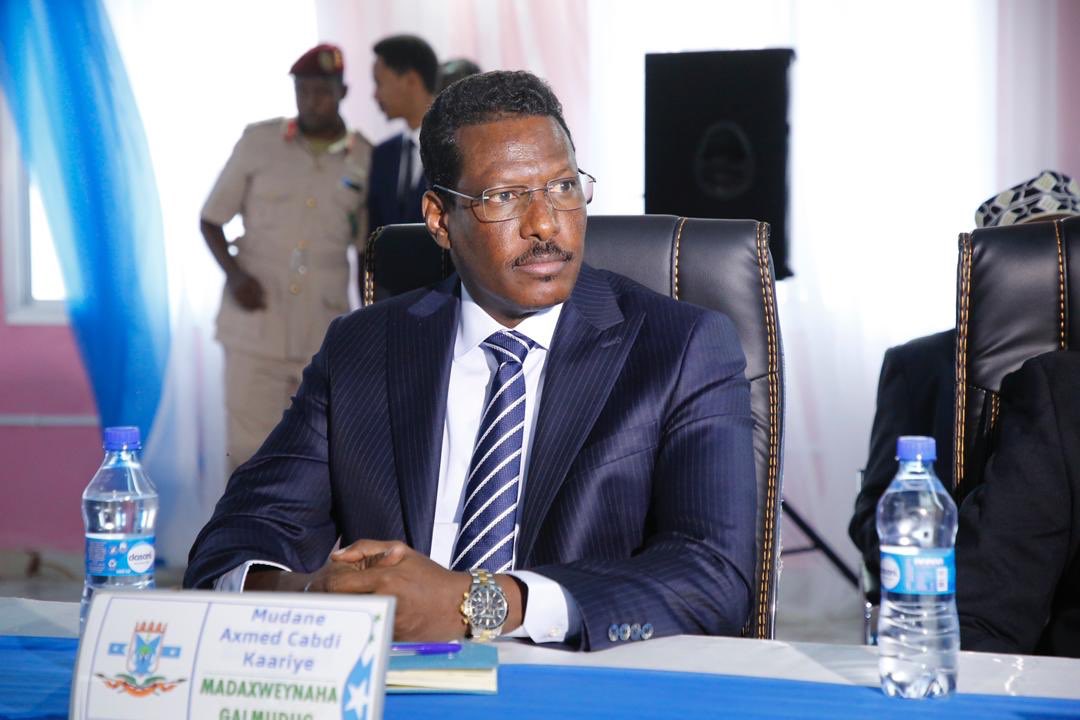
At a time when communities in northern Galgaduud were expecting drought relief and meaningful development from the Galmudug administration, they are instead confronted with freshly dug graves for their youth.
The recent clashes in Baraaga Saddex, approximately 15 kilometers from Abudwaaq, are not merely another episode of inter-clan violence. They reflect a deeper, more troubling reality—one in which political interests appear to thrive on instability, and civilian suffering is used as a shield to protect power.
Emerging accounts suggest that this conflict was not spontaneous. Rather, it fits a recurring pattern that has come to define governance in Galmudug: whenever political pressure mounts or elections approach, clan-based violence erupts across the region.
This is not coincidence. It points to a calculated strategy—one that diverts attention, fragments communities, and weakens political competition.
The current Galmudug administration cannot simply be described as having failed to maintain peace. There are growing concerns that elements within it may be complicit in enabling, or at the very least tolerating, the escalation of violence.
As blood was being shed, security forces did not decisively intervene to separate armed groups. This absence raises serious questions. Silence in such moments is not neutrality—it can be interpreted as tacit approval, or worse, as a deliberate choice to allow the crisis to deepen.
A Leadership That Benefits From Crisis
It is deeply troubling when a leadership entrusted with protecting its people is accused of fueling the very conflicts that endanger them. Allegations that senior figures may be encouraging or exploiting divisions for political survival, if substantiated, point to a dangerous erosion of governance and accountability.
How can a government claiming authority overlook the killing of more than 20 people so close to its administrative centers?
The answer, critics argue, lies in political calculus: instability can be used to delay reform, suppress opposition, and justify the consolidation of power.
This is not a moment for silence. The situation in Galmudug demands scrutiny, transparency, and urgent intervention.
The conflict in Baraaga Saddex should not be reduced to disputes over land or resources. It reflects a broader governance crisis—one in which political survival risks being prioritized over human life.
Unless immediate and credible steps are taken to halt the violence and address its underlying drivers, history may judge the current leadership harshly—not as passive observers, but as actors in a cycle that has brought devastation to their own region.