
Bosaso Businesses Remain Largely Shut As Dispute Over Port Charges Enters Second Week
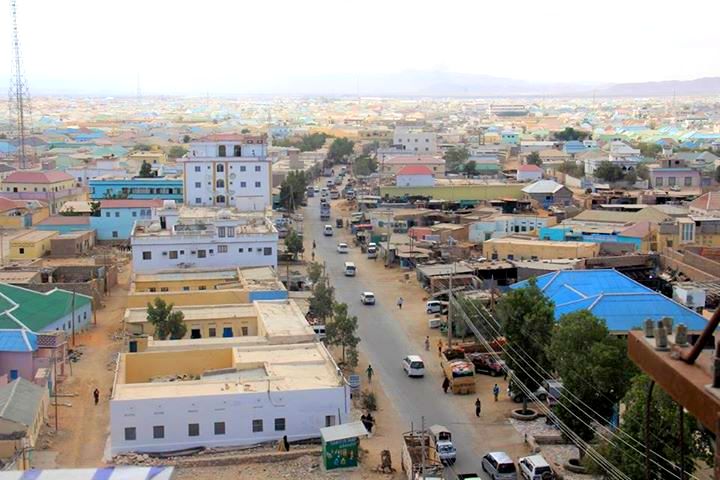
GOOBJOOG NEWS | MOGADISHU: Most businesses in the northern Somali port city of Bosaso remained closed on Thursday as a dispute over increased port-related charges and taxes stretched into its second week, highlighting tensions between traders and Puntland authorities over the cost of doing business.
Merchants say new fees linked to cargo handled through Bosaso Port, which is operated by DP World under a long-term concession agreement, have increased the cost of importing goods and are likely to push up consumer prices in Puntland and neighbouring regions.
The traders argue that the additional charges will place a heavier financial burden on businesses and households already grappling with rising living costs, prompting many to keep their shops shut in protest.
Puntland authorities, however, have maintained that the revised charges will remain in force and have given no indication that an agreement has been reached with the business community.
Puntland President Said Abdullahi Deni dismissed reports that Bosaso Port or commercial activity had come to a standstill.
“It is not true that Bosaso Port is closed or that business has stopped. Photographing four closed doors does not mean commerce has shut down,” Deni said in remarks carried by local media.
Despite those comments, many commercial premises across Bosaso remained closed on Thursday, according to local reports, suggesting that the standoff between traders and the regional administration has yet to be resolved.
Neither DP World nor Puntland authorities have publicly announced any changes to the disputed fees, and it was not immediately clear whether formal negotiations were underway.
Bosaso Port is Puntland’s principal commercial gateway and one of Somalia’s busiest maritime trade hubs, handling imports destined for much of northeastern Somalia as well as parts of Ethiopia. Any prolonged disruption to trade through the port could affect supply chains, transport costs and prices of essential goods across the wider region.
The dispute comes as Somalia’s economy continues to face pressure from global inflation, climate-related shocks and security challenges, with businesses increasingly voicing concerns over operating costs while authorities seek to expand domestic revenue to finance public services and infrastructure.