
Businesses Shut Across Bosaso as Traders Protest Port Closure and Tax Increase
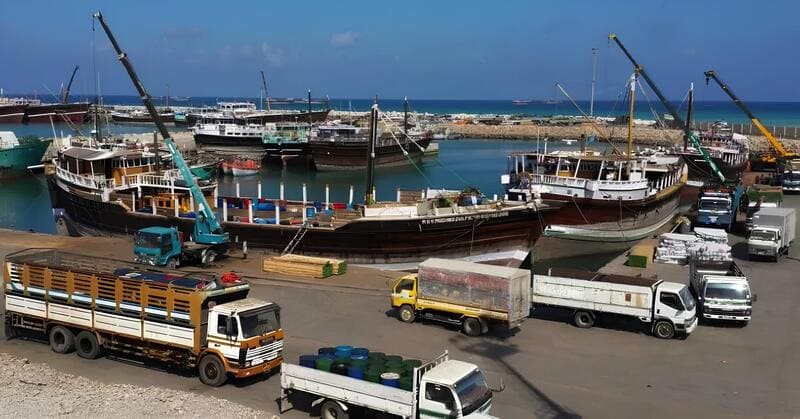
GOOBJOOG NEWS | BOSASO: Businesses across the port city of Bosaso closed on Saturday as traders staged a protest against the prolonged closure of Bosaso Port and a recent increase in taxes on imported goods, raising concerns over the potential economic impact on northern Somalia.
Many commercial establishments remained shuttered as traders suspended business activities, calling on Puntland authorities to reopen the port and reconsider what they described as steep tax increases on imports.
According to business leaders, Bosaso Port has been closed for more than 10 days, disrupting the flow of goods through one of Puntland’s main commercial gateways. They said the disruption has affected supply chains serving Puntland as well as parts of central Somalia, where many businesses rely on imports arriving through the port.
Traders also said the new taxes imposed on imported goods were several times higher than previous rates, arguing that the additional costs would ultimately be passed on to consumers at a time when households are already grappling with high living costs and inflation. Reuters could not independently verify the scale of the tax increase.
The demonstrators urged Puntland authorities to reopen the port without delay and review the new tax measures, warning that prolonged disruptions could increase the prices of essential commodities, slow commercial activity and place further pressure on businesses already operating in a challenging economic environment.
Neither Puntland authorities nor port officials immediately commented on the traders’ claims.
Bosaso Port is one of Somalia’s principal maritime trade hubs, handling imports that supply much of Puntland and neighbouring regions. Any prolonged disruption to operations at the port is likely to affect trade flows, government revenue and the availability of goods across northern parts of the country.
The protest comes as Somalia continues to face broader economic challenges, including high import dependence, rising transport costs and climate-related pressures, leaving businesses increasingly sensitive to disruptions in trade and taxation.