
Dangote Breaks Ground On $16bn Lamu Refinery in Major East African Energy Project
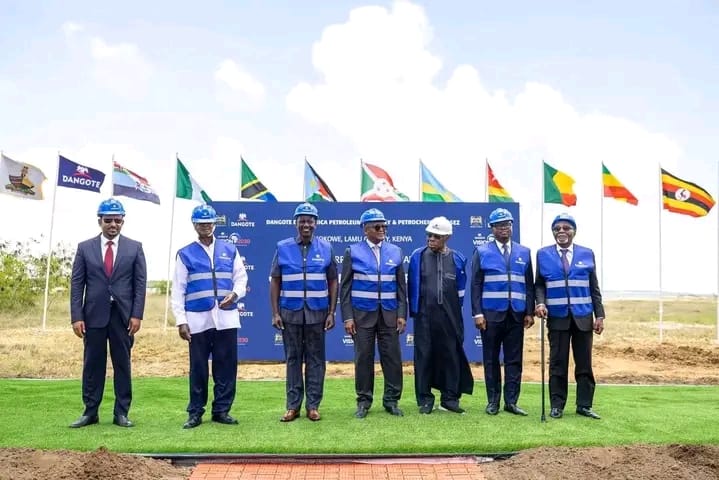
GOOBJOOG NEWS | LAMU: Nigerian billionaire Aliko Dangote and Kenyan President William Ruto have broken ground on a $16 billion oil refinery in Lamu, launching one of the largest planned industrial projects in East Africa.
The refinery is designed to process up to 700,000 barrels of crude oil a day and is expected to supply petrol, diesel and jet fuel to Kenya and other markets across the region. Construction is scheduled for completion by 2030.
The project is being presented as an effort to reduce East Africa’s reliance on imported refined petroleum products while increasing the region’s capacity to process crude oil locally.
Dangote has offered East African governments a combined 30% stake in the refinery, according to Reuters, as he seeks to build regional participation in the project.
“This is Africa coming together to build Africa,” Dangote said at the groundbreaking, describing the project as part of a broader push to increase industrial production on the continent.
The refinery will also be supported by a 1,000-megawatt power plant, designed to provide electricity for the complex and other industries expected to develop around the Lamu site.
Dangote said the project could create tens of thousands of jobs during construction and operation, while Kenya has promoted the refinery as a major investment in industrialisation and regional energy security.
The project, however, is facing opposition from some residents and environmental campaigners in Lamu.
Local residents have raised concerns over land compensation, while conservation groups have questioned the potential impact of the refinery on the area’s sensitive coastal environment.
A Kenyan court has ordered the preservation of the status quo over part of the disputed project site following a petition by residents. The legal challenge centres on land rights, compensation and environmental concerns.
Dangote has defended the project and said the groundbreaking would proceed despite the legal dispute.
Environmental campaigners have also called for greater transparency around the project’s environmental assessment and proposed mitigation measures.
The choice of Lamu gives the project access to Kenya’s deep-water port and the wider LAPSSET corridor, linking the Kenyan coast with markets and infrastructure in the region.
The refinery is expected to source crude from Kenya and other African producers, including potential supplies from countries developing their oil industries.
Kenya itself is not currently a major oil producer, but the government has argued that a refinery does not need to be located in an oil-producing country, pointing to international refining hubs that import crude for processing.
The project comes as several East African countries seek to expand oil production and export infrastructure, creating the possibility of a larger regional petroleum market.
Lamu represents Dangote’s biggest proposed investment outside Nigeria and an attempt to replicate the industrial model behind his 700,000-barrel-a-day refinery in Nigeria.
The project also fits into the Nigerian billionaire’s wider push to invest in African manufacturing and energy infrastructure, with the businessman saying Africa needs to process more of its raw materials domestically rather than exporting commodities and importing finished products.
If completed as planned, the Lamu refinery would become a major new source of refined petroleum products for East Africa, potentially reshaping regional fuel supply and trade.