
Egypt, Somalia and Djibouti Reaffirm Red Sea Coastal States’ Role in Security
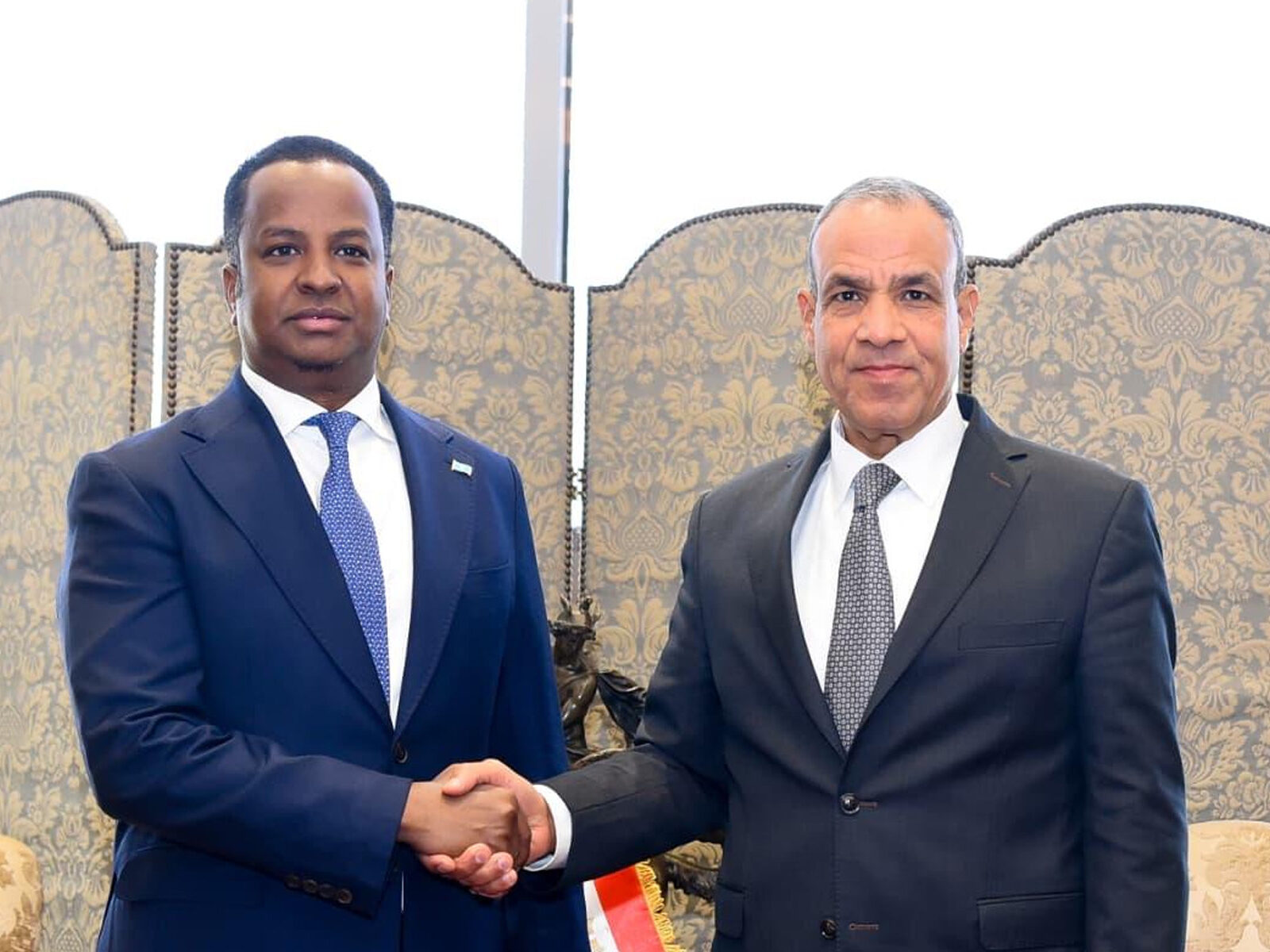
GOOBJOOG NEWS | TRIPOLI: Egypt, Somalia and Djibouti have reiterated the importance of giving countries bordering the Red Sea the leading responsibility for its security and management, amid growing strategic and political competition in the Horn of Africa.
The position was highlighted during separate meetings in Tripoli between Egyptian Foreign Minister Badr Abdelatty and his Somali counterpart, Abdisalam Abdi Ali, and Djiboutian Foreign Minister Abdoulkader Houssein Omar on the sidelines of the 22nd session of the Executive Council of the Community of Sahel-Saharan States (CEN-SAD).
In talks with Somalia’s foreign minister, Abdelatty reaffirmed Egypt’s support for Somalia’s sovereignty, unity and territorial integrity, rejecting unilateral measures that could undermine the country’s territorial integrity or infringe on its independence.
The two ministers also discussed strengthening bilateral relations, particularly in economic cooperation, investment and development, as well as Egypt’s support for building Somali state institutions and improving their capacity.
They exchanged views on political and security developments in the Horn of Africa and agreed to continue coordinating their positions and follow up on the outcomes of the consultative summit hosted by Egypt in El-Alamein in October.
In a separate meeting with Djibouti’s foreign minister, Abdelatty discussed expanding cooperation in trade, investment, energy, port development, logistics, maritime connectivity and infrastructure.
The talks also covered technical cooperation and capacity-building programmes, alongside political and security developments in the Horn of Africa, particularly in Somalia and Sudan.
Abdelatty stressed that Red Sea security and governance should remain the responsibility of countries bordering the waterway, while calling for stronger regional coordination to protect maritime security and freedom of navigation.
The discussions come amid growing geopolitical interest in the Red Sea and the wider Horn of Africa, a strategic corridor for international shipping and trade.
Landlocked Ethiopia has also been seeking access to the sea and a greater role in regional maritime affairs, an issue that has contributed to tensions over port access, sovereignty and security arrangements in the region. However, no new agreement or joint initiative directed at Ethiopia was announced following the meetings.
The renewed diplomatic engagement reflects efforts by the three countries to strengthen regional coordination at a time when maritime security, national sovereignty and influence over the Red Sea have become increasingly prominent issues in the Horn of Africa.