
Gas Shortage Pushes Cooking Fuel Prices Higher in Mogadishu Amid Hormuz Crisis
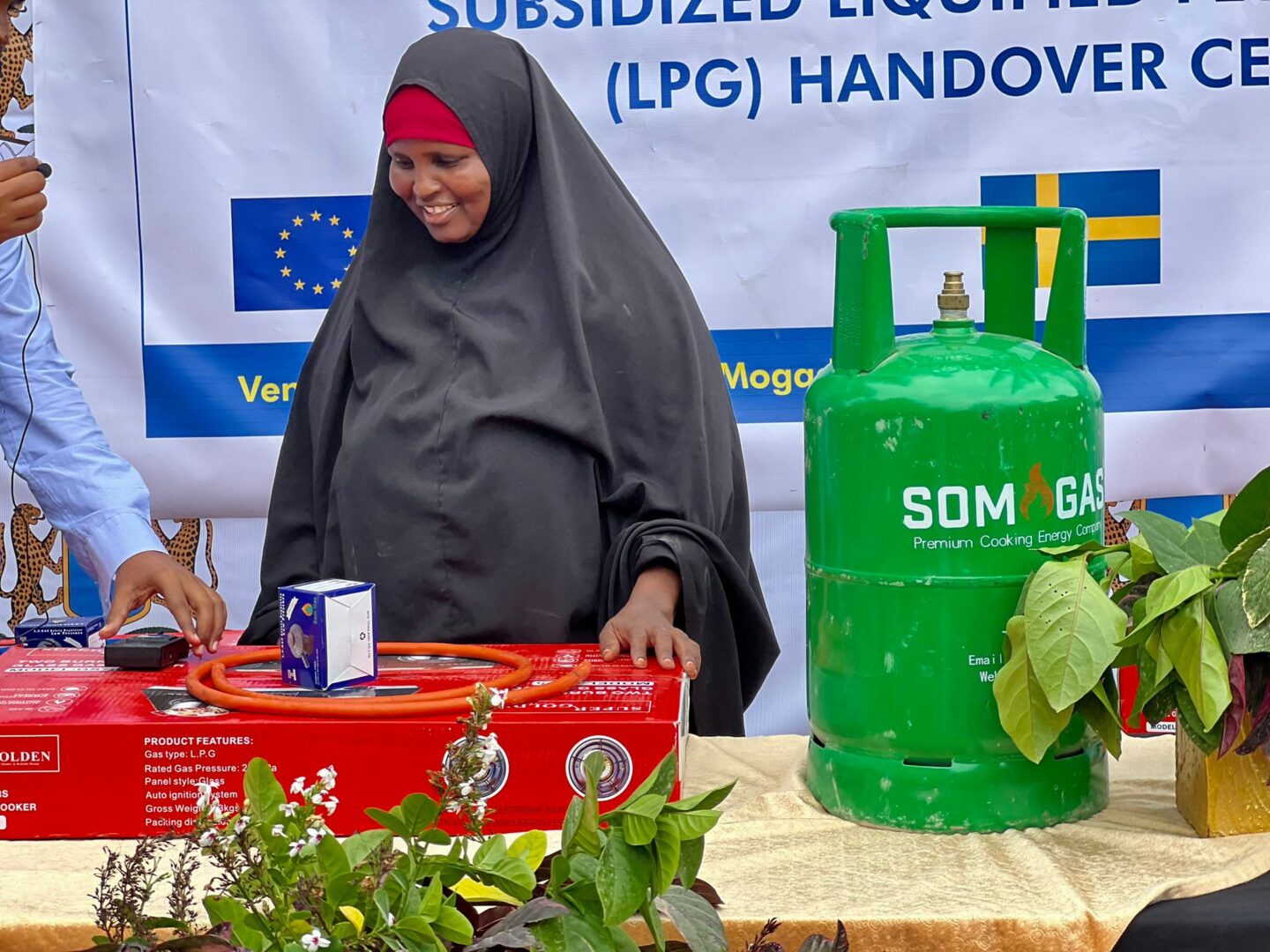
GOOBJOOG NEWS|MOGADISHU: A shortage of cooking gas has hit Somalia’s capital Mogadishu, pushing prices of smaller gas cylinders up by about 42%, according to consumers, as continuing disruption to shipping through the Strait of Hormuz puts pressure on global and regional energy supplies.
Households, restaurants and hotels that depend on liquefied petroleum gas (LPG) for cooking are among those affected, with consumers reporting that supplies have become increasingly difficult to find in parts of the city.
The immediate cause of the latest shortage has not been officially disclosed, and Somali authorities have yet to announce whether the disruption is directly linked to supplies from the Gulf.
However, the shortage comes against the backdrop of continuing turmoil in the Strait of Hormuz, a critical route for global oil and gas shipments. Shipping traffic through the waterway remained severely constrained this week amid renewed tensions involving Iran and the United States. Preliminary Kpler data cited by Reuters showed only four commodity vessels transited the strait on Tuesday, September 1, compared with a 10-day average of about 13.
The disruption has had particularly significant consequences for LPG supplies. The International Energy Agency said LPG exports through Hormuz fell by around 80% in March after the Middle East conflict escalated, dropping from an average of about 1.5 million barrels per day in 2025 to about 300,000 barrels per day. Much of the LPG exported from the region is used for cooking.
Global gas markets have also remained unsettled. According to the IEA, the de facto closure of Hormuz following the outbreak of the Middle East war at the end of February disrupted LNG flows that had previously accounted for almost 20% of global supply. Although traffic subsequently began recovering, Gulf gas exports remained well below pre-conflict levels.
Somalia is particularly exposed to such disruptions because of its heavy dependence on imported goods and its commercial links with Gulf markets. An August assessment by The New Humanitarian reported that much of Somalia’s imported trade passes through hubs in the United Arab Emirates and Oman before reaching ports including Mogadishu, Bosaso and Berbera. It also reported sharp increases in domestic fuel prices and wider inflationary pressure following the disruption of Gulf trade earlier this year.
The latest cooking gas shortage could therefore add another layer of pressure on households already struggling with higher living costs.
For restaurants, hotels and other businesses that rely heavily on LPG, prolonged shortages could also translate into higher operating costs, potentially feeding through to food and service prices.
With shipping through Hormuz still operating below normal levels and regional tensions continuing, uncertainty over energy supplies remains a concern for import-dependent economies such as Somalia.