
WHO, Somalia Strengthen Emergency Health Planning Amid El Niño Risks
GOOBJOOG NEWS | NAIROBI: Somalia and the World Health Organization are strengthening coordination to prepare for the possible health consequences of El Niño, as the country faces increased risks from extreme weather during the coming rainy season.
The focus is on ensuring health facilities and essential services can continue operating while vulnerable communities receive timely support during climate-related emergencies.
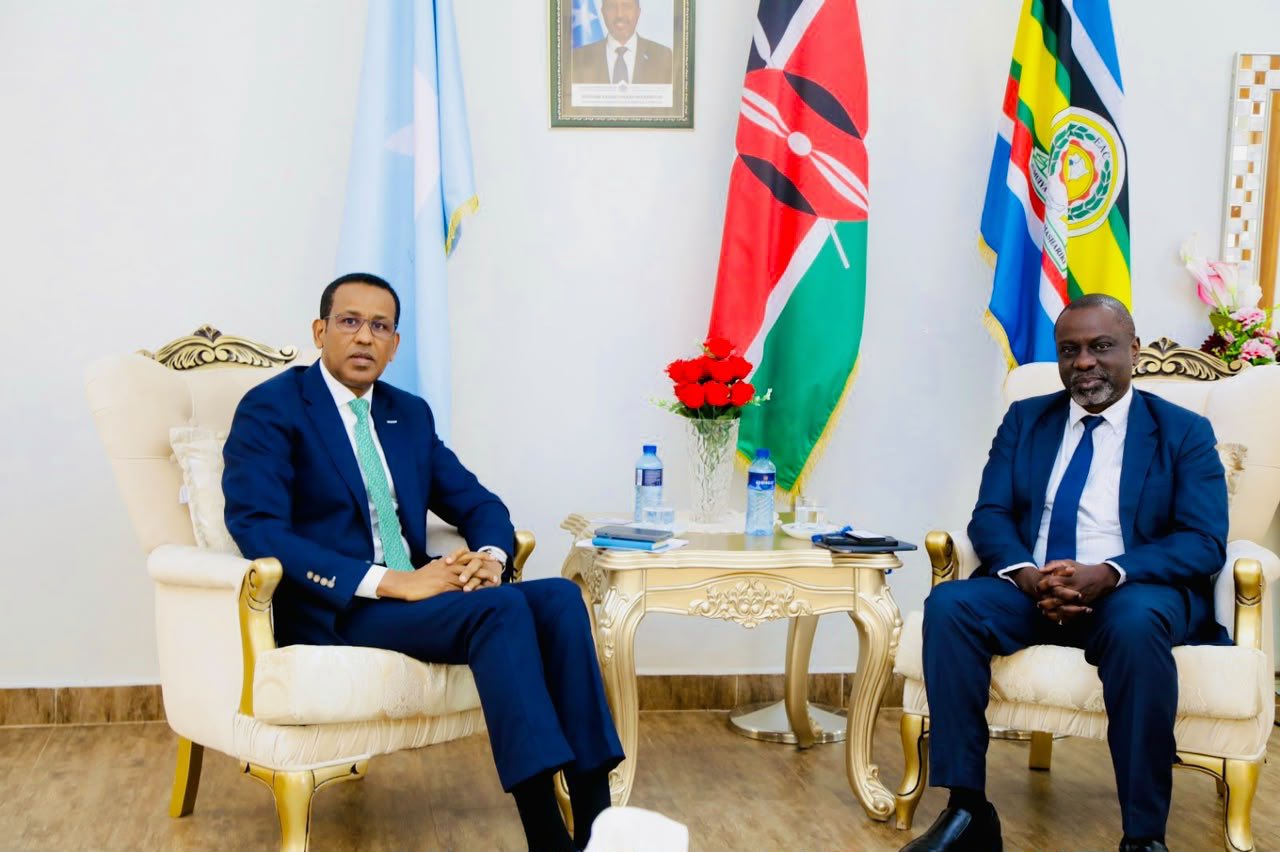
Somalia’s Ambassador to Kenya, Jabril Ibrahim Abdulle, discussed the preparedness measures with WHO Representative to Somalia Dr Humphrey Karamagi during his visit to the Somali Embassy in Nairobi.
The talks covered strengthening public health institutions, improving coordination between agencies and building the capacity of healthcare workers, while expanding access to reliable health services.
The officials also discussed the potential impact of worsening El Niño conditions, underlining the need for early planning rather than waiting for emergencies to develop.
Flooding can place additional pressure on Somalia’s health system by disrupting access to medical facilities, damaging infrastructure and increasing the risk of waterborne and other diseases.
Maintaining essential health services is therefore a key part of wider disaster preparedness, particularly in communities already facing humanitarian pressures.
The cooperation between Somalia and WHO is also aimed at ensuring national institutions and development partners can coordinate their response when climate-related emergencies occur.
Ambassador Abdulle welcomed continued WHO support for Somalia’s health sector and thanked the organisation for its assistance in advancing the Federal Government’s health priorities.
The discussions come as countries across the Horn of Africa prepare for potentially difficult weather conditions, with governments and humanitarian agencies increasingly relying on early warnings to reduce the impact of floods, drought and other climate shocks.
Strengthening the health system’s ability to anticipate and respond to such emergencies is becoming an increasingly important part of Somalia’s climate preparedness.