
Interpol Identifies 126 Foreign Terrorist Fighters Using AI-Assisted Facial Recognition
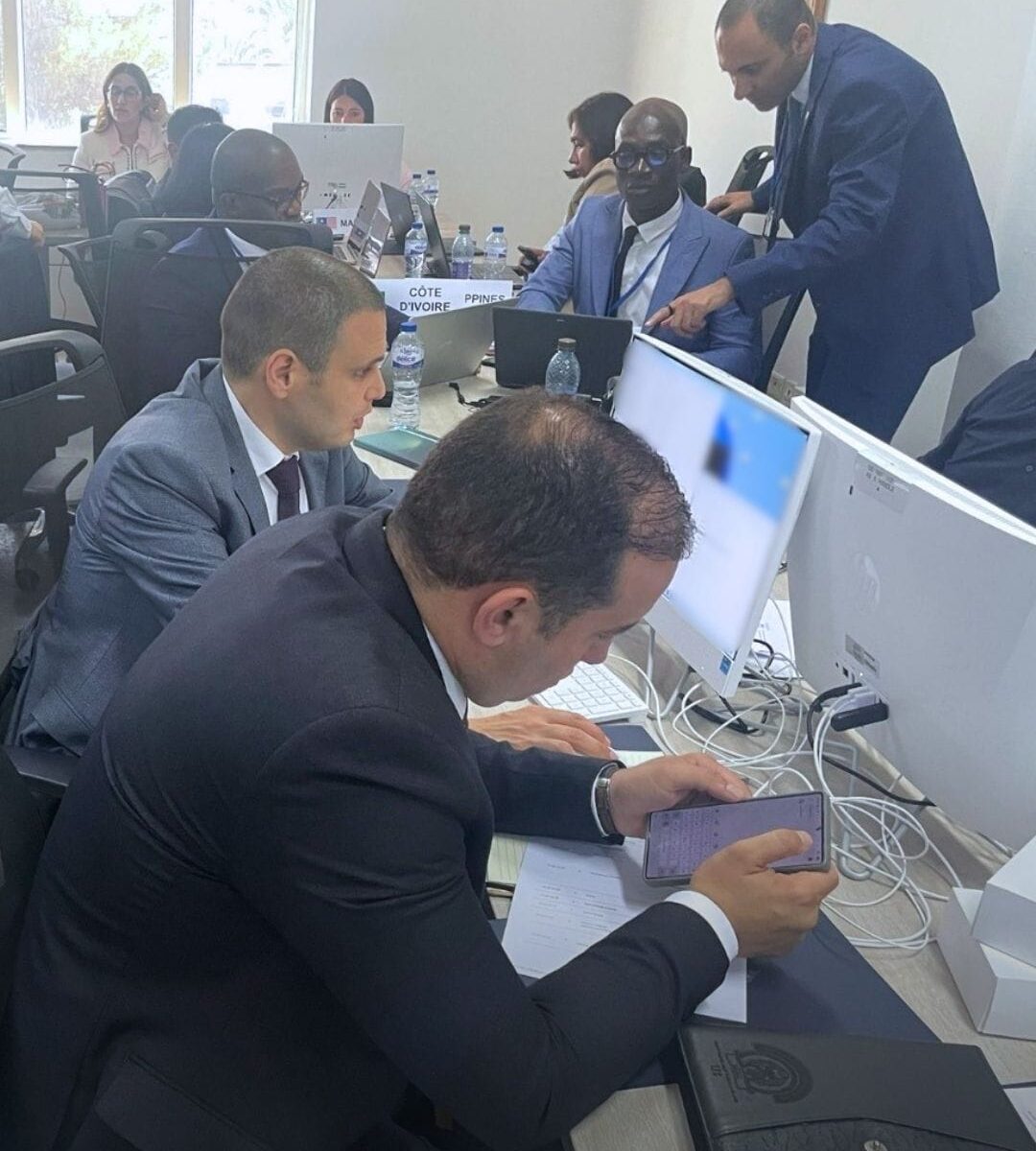
GOOBJOOG NEWS | LYON: Interpol has identified 126 foreign terrorist fighters through an international operation that used artificial intelligence and facial recognition to analyse thousands of images released online by jihadist groups.
The operation, known as Shams II, brought together law-enforcement officers and specialist experts from 11 countries to examine digital material linked to terrorist networks.
Investigators extracted 108,076 facial images from visual material published by jihadist groups during the operation, according to Interpol.
AI-assisted tools were then used to organise and analyse the material, reducing the dataset to 6,362 unique facial images considered suitable for processing through Interpol’s Facial Recognition System.
Interpol stressed that artificial intelligence did not independently determine the identities.
The results generated by the technology were reviewed and verified by trained officers and analysts before being used, in line with the organisation’s procedures for processing personal data.
The operation involved law-enforcement authorities from Côte d’Ivoire, Ghana, Iraq, Kenya, Malaysia, Nigeria, the Philippines, Qatar, Tajikistan, Tunisia and Uzbekistan.
Information obtained through the operation has been added to Interpol’s global databases, where it can be used to strengthen existing profiles and assist member countries in identifying and tracking foreign terrorist fighters.
The operation highlights the growing role of artificial intelligence in international investigations, particularly in cases involving large volumes of digital material that would be difficult for investigators to process manually.
But Interpol’s emphasis on human verification also reflects the limits and risks of relying on automated facial recognition, where incorrect matches can have serious consequences.
Shams II comes as international law-enforcement agencies expand their use of digital technologies to identify suspects and extract intelligence from online material associated with terrorist and extremist networks.
The operation demonstrates how AI-assisted analysis can help investigators sift through vast amounts of information while keeping final identification decisions under human oversight.