
Kenyan Khat Exports to Somalia Decline as Ethiopian Competition Intensifies
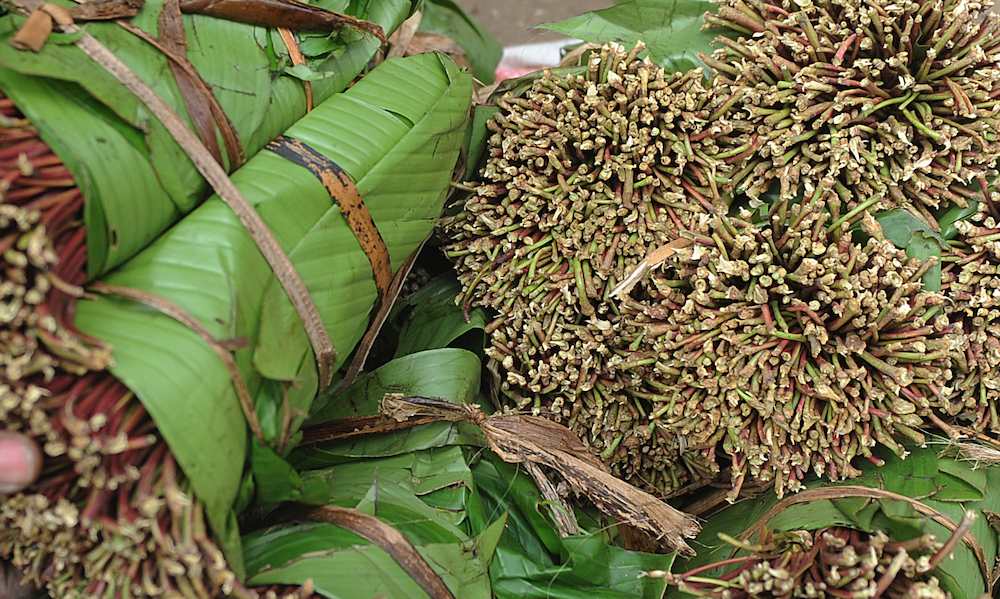
GOOBJOOG NEWS|NAIROBI: Kenya’s khat exports to Somalia declined during the latest quarter as Ethiopian produce continued to gain a larger share of the Somali market, according to a new report by Kenya’s Agriculture and Food Authority (AFA).
The report identifies Somalia as the largest export destination for Kenyan miraa and one of the country’s most important sources of foreign exchange earnings from the crop. However, it says Kenya is facing increasing competition from Ethiopia, whose closer proximity to Somalia has enabled its exporters to deliver fresh miraa more quickly and at lower transport costs.
According to the AFA report, Kenya exported 692,000 kilograms of khat during the quarter, valued at KSh3.09 billion. This represented a decline of 103,668 kilograms worth approximately KSh470 million compared with the corresponding period in 2025.
The authority attributed the decline primarily to stiff competition in the Somali market, which has traditionally absorbed the bulk of Kenya’s miraa exports. The report also noted that some Kenyan farmers have delayed harvesting their crop while waiting for better market prices.
The findings underscore the growing importance of Ethiopia in Somalia’s khat trade. Ethiopian miraa has increasingly gained popularity among traders because of shorter transport routes, allowing the product to reach consumers faster while reducing logistical costs.
To reverse the trend, the Agriculture and Food Authority urged Kenyan exporters and policymakers to diversify export destinations instead of relying heavily on Somalia. It also recommended improving post-harvest handling, strengthening transport and trade logistics, and pursuing bilateral trade agreements that would help stabilize exports and enhance Kenya’s competitiveness in regional markets.
For Somalia, the report highlights the country’s continued importance as the region’s largest khat market, while also illustrating how competition between Kenyan and Ethiopian suppliers is reshaping the trade. The increased competition could offer Somali importers and consumers a wider choice of suppliers and potentially more competitive prices, although it also presents new challenges for Kenyan exporters seeking to retain their long-standing dominance in the market.