
Mogadishu Fuel Prices Reportedly Rise 15% Amid Middle East Tensions
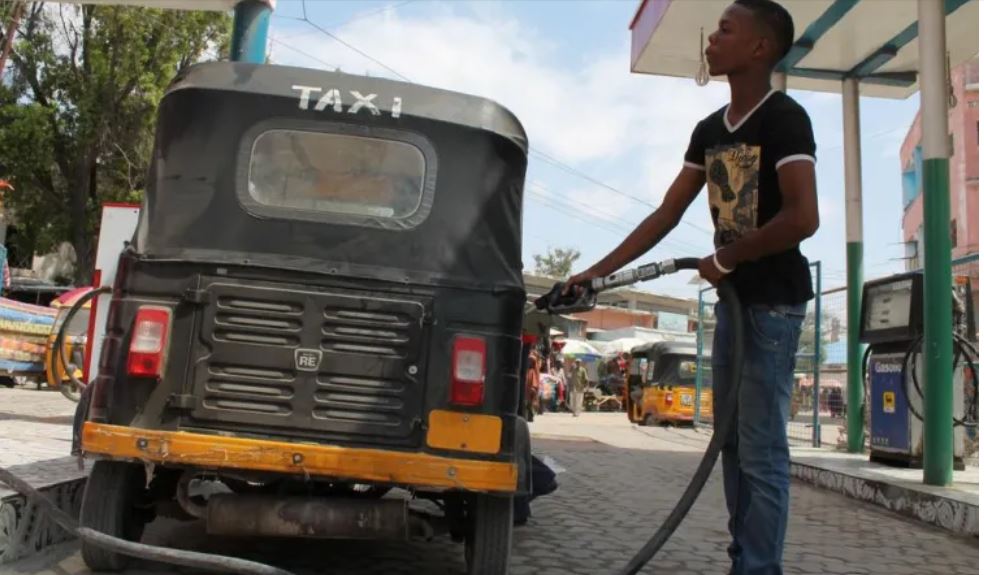
GOOBJOOG NEWS|MOGADISHU: Fuel prices in Mogadishu have reportedly risen by about 15% over the past week as escalating tensions in the Middle East increase concerns over global energy supplies and shipping costs.
The increase has been reported at several filling stations across the Somali capital, although prices vary between retailers.
The report citing the 15% increase was based on information gathered from several sources but did not provide the previous and current price per litre or establish an average market price across Mogadishu.
The figure has also not been independently confirmed by the Somali government or an association representing fuel importers and traders. It should therefore be treated as a reported market increase rather than an official citywide price movement.
The rise comes against the backdrop of heightened insecurity affecting major international shipping routes in the Middle East, including the Strait of Hormuz and the Bab al-Mandab, which connect major oil-producing regions with global markets.
Somalia is particularly exposed to external energy shocks because it relies heavily on imported petroleum products. Disruptions to shipping can increase freight and insurance costs, extend delivery times and ultimately raise the cost of bringing fuel into the country.
The latest increase follows earlier pressure on energy prices in Mogadishu. In early September, residents and businesses reported shortages and sharp increases in the price of cooking gas, adding to concerns about the impact of instability along international energy and shipping routes on Somali consumers.
Higher fuel prices could have wider consequences for the cost of living in Mogadishu. Public transport, electricity generation and the movement of food and other goods depend heavily on fuel, meaning sustained increases can eventually feed into prices elsewhere in the economy.
However, there is currently no official data showing how the reported 15% fuel increase has affected transport fares, food prices, electricity costs or overall inflation in Mogadishu.
The absence of published prices per litre also makes it difficult to independently measure the scale of the reported increase or determine whether it is being experienced consistently across the capital.