
Mogadishu Hosts Dialogue on Somalia’s Governance and Peacebuilding
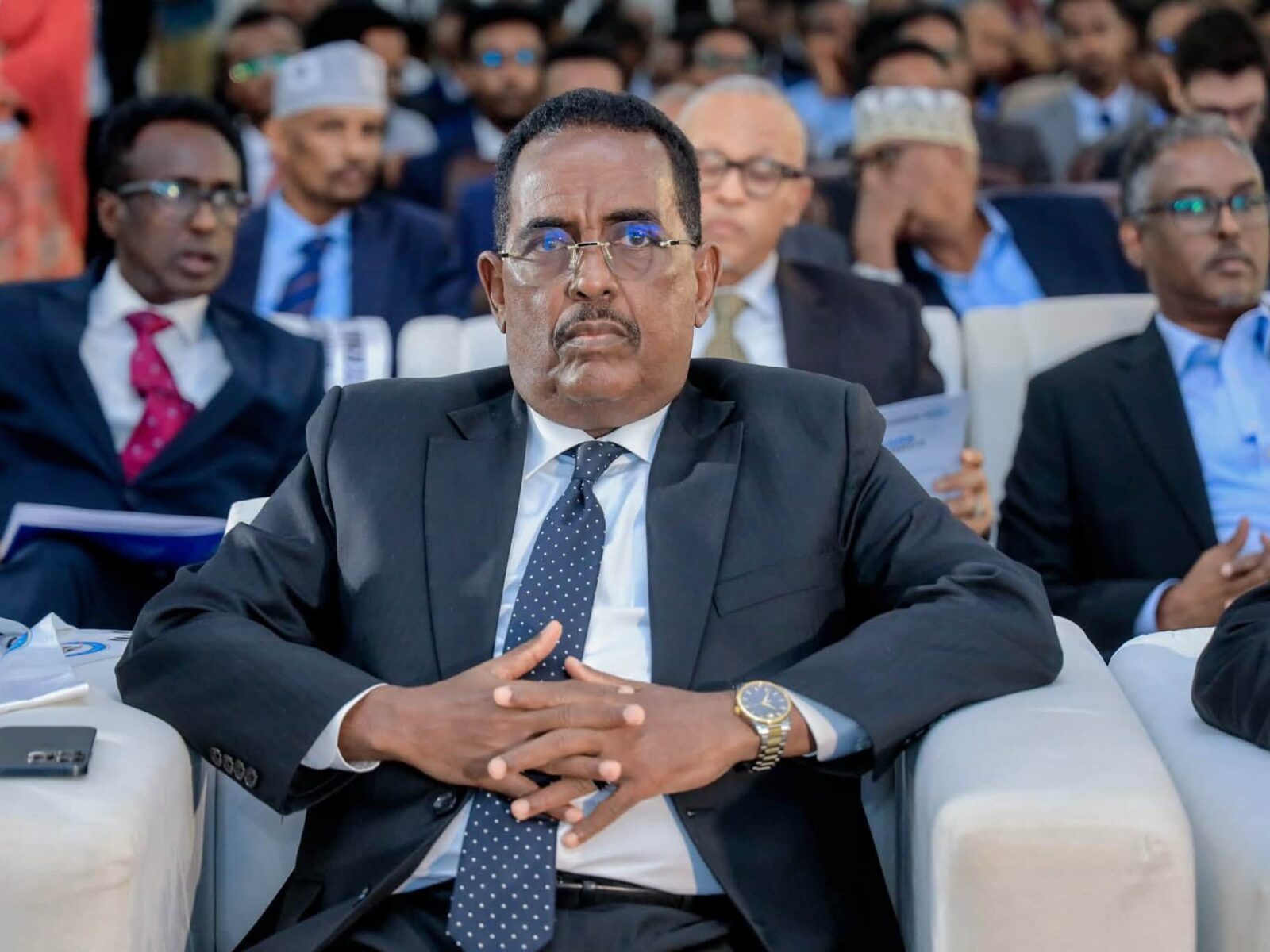
GOOBJOOG NEWS | MOGADISHU: The federal government of Somalia has brought together young leaders, women, community representatives and government officials in Mogadishu for a dialogue focused on how citizens can play a greater role in the country’s governance and reconciliation efforts.
The Intergenerational Dialogue Forum on Peacebuilding and Governance, convened by the Ministry of Interior, Federal Affairs and Reconciliation, is bringing together participants from different generations and sections of society for a day of open discussions.
The forum is giving communities an opportunity to engage directly with government institutions, raise questions about how they operate and discuss some of the barriers that prevent people from taking part in decision-making.
At the heart of the discussions is a broader question facing Somalia: how to build governance and reconciliation systems in which more people feel able to participate and have their voices heard.
Participants are discussing a range of issues, including reconciliation, federalism, local government, access to state institutions and opportunities for leadership. Women, representatives of marginalised communities, civil society groups and experienced peacebuilding practitioners are among those taking part.
The discussions come as Somalia continues efforts to strengthen its federal system and rebuild trust between state institutions and communities after decades of conflict and political instability.
For many communities, the challenge is not simply establishing government institutions but ensuring they are accessible and responsive to the people they are intended to serve.
The ministry says the forum is designed to turn participants’ experiences and proposals into practical recommendations that can contribute to its work on peacebuilding, reconciliation and inclusive governance.
The dialogue also seeks to strengthen connections between different generations, communities and government institutions, giving participants a direct role in discussions about the country’s political and social future.