
MSF: 69 People Treated After Latest Baidoa Fighting
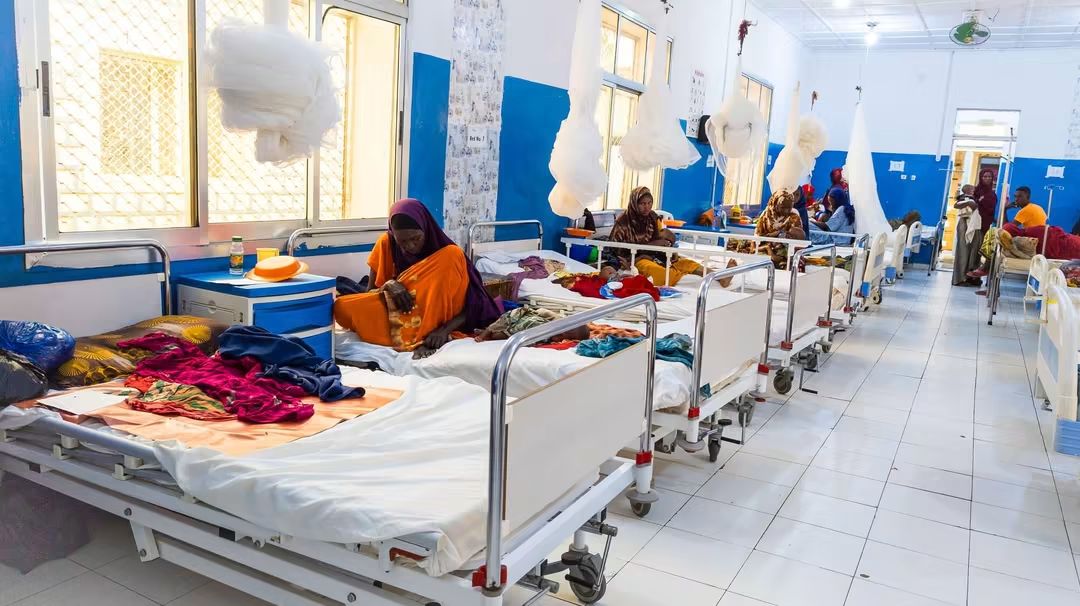
GOOBJOOG NEWS | BAIDOA: At least 69 people injured in fighting in Somalia’s Baidoa were treated at Bay Regional Hospital, including five children, Médecins Sans Frontières (MSF) said, as renewed clashes placed further pressure on the city’s already stretched health services.
MSF said three of the people brought to the hospital died, while stressing that the figures cover only those who reached Bay Regional Hospital and should not be considered the total casualty count from the fighting.
Access to healthcare was also disrupted during the clashes, with roads leading to some medical facilities blocked, making it harder for injured people and others requiring urgent treatment to reach hospitals.
MSF said the restrictions could mean the actual number of people affected by the fighting was higher than the number recorded at the hospital, particularly among those unable to travel because of insecurity or blocked roads.
The medical charity also reported damage to a health facility and the killing of a healthcare worker. An ambulance was looted, while two health workers working with teams supported by MSF were also robbed, with one of them injured.
The incidents have raised concerns over the safety of medical facilities, healthcare workers and emergency vehicles at a time when hospitals in Baidoa are responding to both conflict-related injuries and wider humanitarian needs.
MSF said restrictions on movement and attacks or interference involving health facilities and ambulances can delay emergency treatment, potentially increasing the risk of complications and deaths among wounded people.
The September 28 clashes were the third round of fighting in and around Baidoa in six weeks, according to MSF. The repeated violence is placing additional strain on Bay Regional Hospital, which also provides care to displaced people and children suffering from malnutrition.
Baidoa is a major humanitarian centre in southwest Somalia and hosts large numbers of people displaced by conflict, drought and other crises. Continued insecurity can affect not only emergency treatment but also access to routine healthcare and humanitarian assistance.
The latest figures provide an indication of the immediate medical impact of the fighting, but the full human cost remains unclear, particularly for people in areas cut off from health facilities.
MSF called for the protection of healthcare facilities, workers and emergency services, stressing that people injured during conflict must be able to reach medical care safely and without delay.