
Nearly 26,000 Somalis Face Catastrophic Hunger as Flood Risk Rises
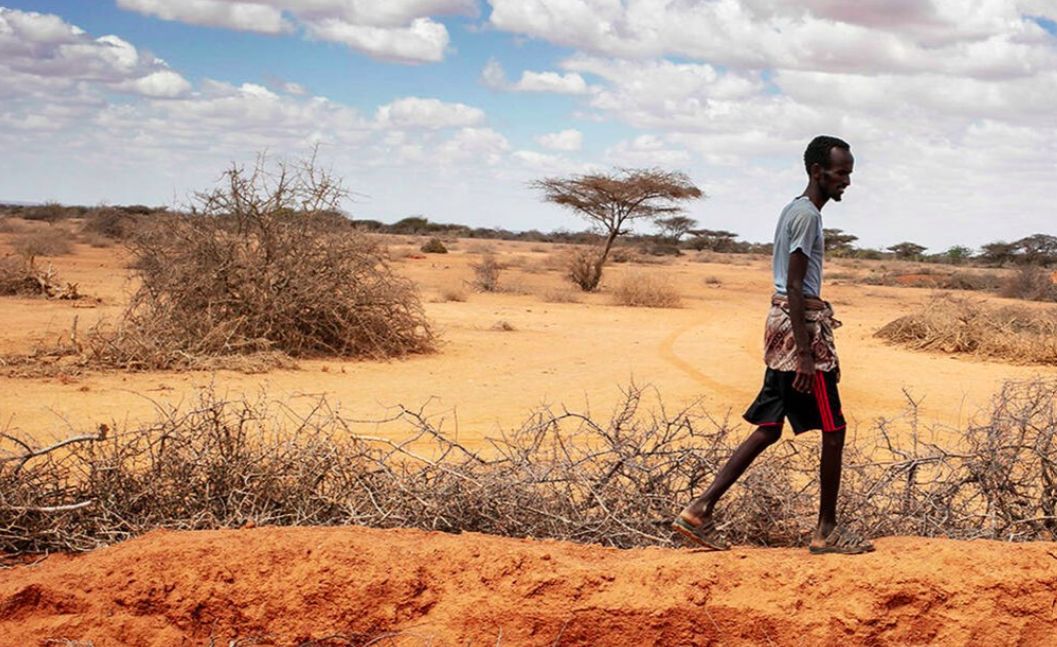
GOOBJOOG NEWS | MOGADISHU: Nearly 26,000 internally displaced people in Somalia’s southwestern city of Baidoa are projected to face catastrophic hunger in the coming months, as forecast heavy rains threaten to compound a food crisis already driven by drought, conflict and displacement.
The latest assessment by the Integrated Food Security Phase Classification (IPC) places the Baidoa population in Phase 5, the highest level of acute food insecurity, between October and December. It warns that the group could face a risk of famine later this year under a plausible worst-case scenario involving more severe flooding and further displacement.
Across Somalia, about 5.4 million people are expected to face crisis-level food insecurity or worse during the same period, including around 1.5 million people projected to be in Emergency, or IPC Phase 4. The figure represents a deterioration from the current period, when nearly 5.1 million people are facing Phase 3 or worse.
Save the Children, which highlighted the findings in a statement, said families who had spent months dealing with drought were now confronting the prospect of flooding as above-average rainfall is forecast across parts of central and southern Somalia.
The agency said the latest projections show how quickly conditions can change in a country repeatedly hit by drought and floods. It urged donors to finance food, health, nutrition and water assistance in the areas considered most vulnerable and to support early action before the rains intensify.
Children are expected to be particularly affected. IPC estimates that about 1.92 million children aged between six months and five years, as well as 157,000 pregnant and breastfeeding women, are suffering or are expected to suffer acute malnutrition between July 2026 and June 2027.
The projected deterioration comes as Somalia prepares for the October-December rainy season, with flooding expected to add pressure to communities already affected by poor rainfall, insecurity, high food prices and limited access to humanitarian assistance. IPC said expected El Niño and Indian Ocean Dipole-related flooding are among the factors likely to drive the worsening food situation.
Save the Children Somalia Country Director Mohamed Mohamud Hassan said the seasonal rains had provided some families with only temporary relief, while warning that communities along the Jubba and Shabelle rivers remained particularly exposed to flooding.
Somalia’s experience in 2023 has heightened concern over the coming rains. Major floods that year affected millions of people and caused widespread displacement and damage to infrastructure, according to figures cited by Save the Children.
The latest IPC assessment marks the second consecutive analysis to identify a risk of famine in Somalia. It recommends an immediate scale-up of food, nutrition, health, livelihoods and water and sanitation assistance, alongside anticipatory measures in flood-prone areas to reduce the impact of the expected shocks.