
President Mohamud Congratulates Zambia’s Hichilema on Re-election
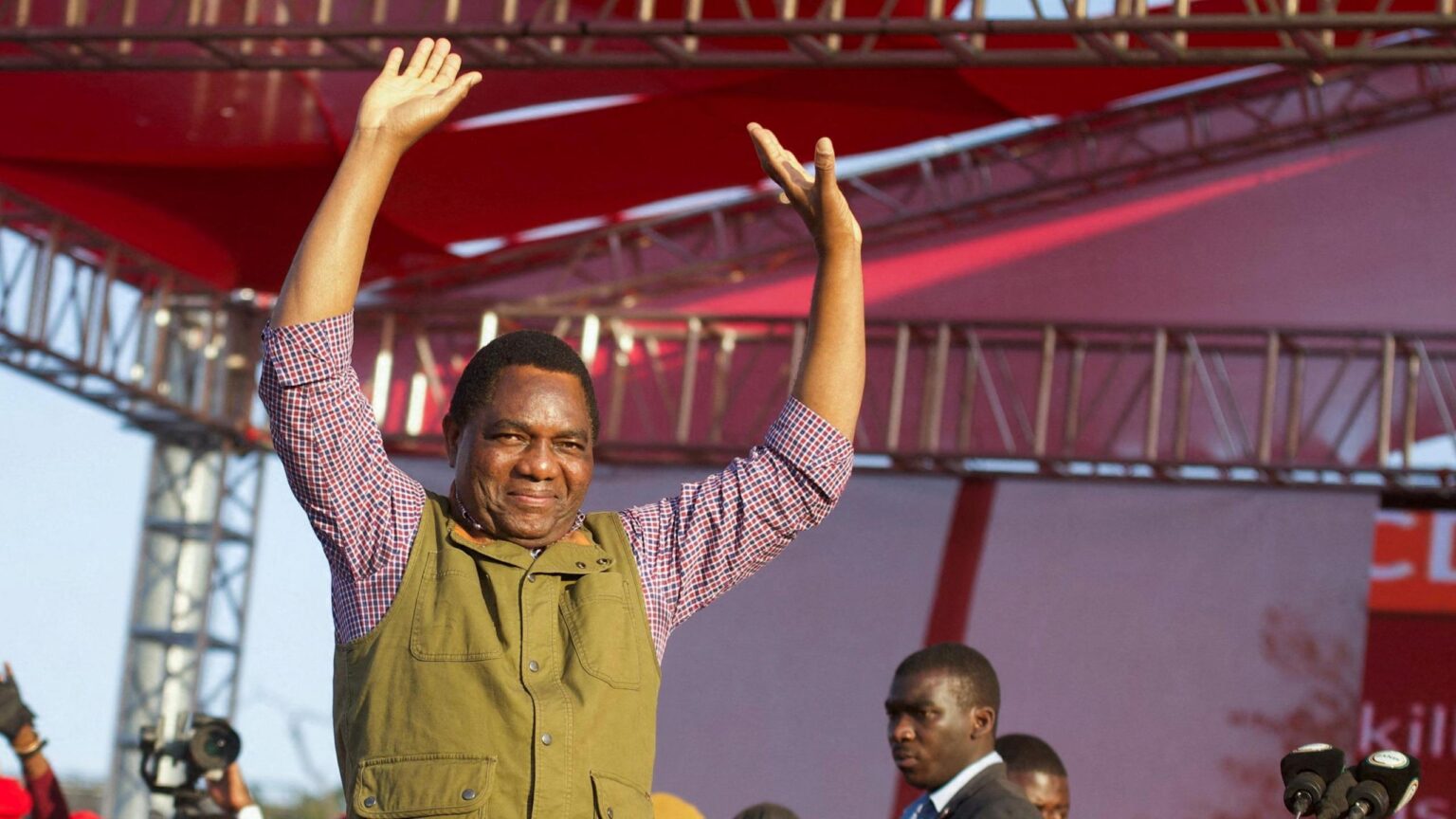
GOOBJOOG NEWS | MOGADISHU: Somalia’s President Hassan Sheikh Mohamud has congratulated Zambia’s President Hakainde Hichilema on his re-election, pledging to strengthen cooperation between the two countries on bilateral, regional and international issues.
Hichilema, 64, was declared the winner of Zambia’s presidential election after securing about 60% of the vote, according to the country’s electoral commission, defeating his closest challenger Brian Mundubile, who received about 38%.
In a message following the declaration, President Mohamud wished Hichilema success in his second five-year term and reaffirmed Somalia’s interest in deepening ties with Zambia.
The congratulatory message comes as Somalia continues to expand its diplomatic engagement across Africa, including cooperation on regional security, governance, trade and other issues affecting the continent.
Hichilema’s victory was widely anticipated, but the election was followed by disputes over the conduct of the process. Mundubile claimed there were discrepancies between results announced at polling stations and those released by the electoral authorities, while also alleging military involvement at tallying centres. He has not provided evidence publicly to support the claims.
The opposition candidate had earlier claimed victory and questioned the credibility of the official results. It remains unclear whether he will formally challenge the outcome through Zambia’s courts.
The election also came against a tense political backdrop after security forces raided the home of senior opposition figures in Lusaka. Authorities accused those arrested of plotting an insurrection, allegations Mundubile rejected as fabricated.
Hichilema, who came to power in 2021 after defeating long-time incumbent Edgar Lungu, presented the election as evidence of Zambia’s commitment to resolving political differences through democratic institutions.
“We are truly humbled by the trust you have placed in our hands,” he said after being declared the winner.
Hundreds of his supporters later gathered in Lusaka, many wearing the red colours of his United Party for National Development (UPND), to celebrate the result.
ELECTION CONCERNS
Zambia has maintained a record of presidential changes through elections since the return to multiparty politics in 1991, making its political transition closely watched across southern Africa.
The latest election was nevertheless marked by concerns from observers over the political environment leading up to polling day.
The electoral commission temporarily suspended the counting and announcement of results a day after voting, citing reports of violence against polling officials and the theft of marked ballot papers in some areas. The suspension was lifted later the same day.
Regional and international observers described polling day as largely peaceful but raised concerns about restrictions on opposition activities, media access and electoral reforms introduced late in the process.
The European Union’s election observation mission said restrictions placed on opposition parties during the campaign period may have contributed to what it described as an “uneven contest”.
The Southern African Development Community (SADC) observer mission also reported allegations of intimidation, assault, abduction and property damage in five provinces, although its team said it could not independently verify the reports.
Observers further warned that the temporary halt in the release of results could affect public confidence in the electoral process.
SOMALIA-ZAMBIA TIES
The election’s outcome provides an opportunity for Somalia to further engage Zambia on African Union affairs and wider regional and global issues.
Somalia has increasingly sought closer relations with African states as it works to strengthen its political institutions, security sector and economic ties with the continent.
The two countries also interact through multilateral organisations, including the African Union and the United Nations, where cooperation on peace, security, development and African priorities remains important.
President Mohamud’s message signals Mogadishu’s support for Zambia’s continued political stability and its interest in maintaining constructive relations with Lusaka during Hichilema’s second term.
The focus now turns to whether Zambia’s opposition will accept the result or pursue a legal challenge, and how the government will respond to concerns raised by international and regional observers about the electoral environment.
For Somalia and other African countries closely following developments in Zambia, the election is also a reminder of the importance of credible electoral institutions and peaceful political transitions in maintaining stability across the continent.