
Saldhig Institute Report Examines How Al-Shabaab Has Evolved Over Two Decades
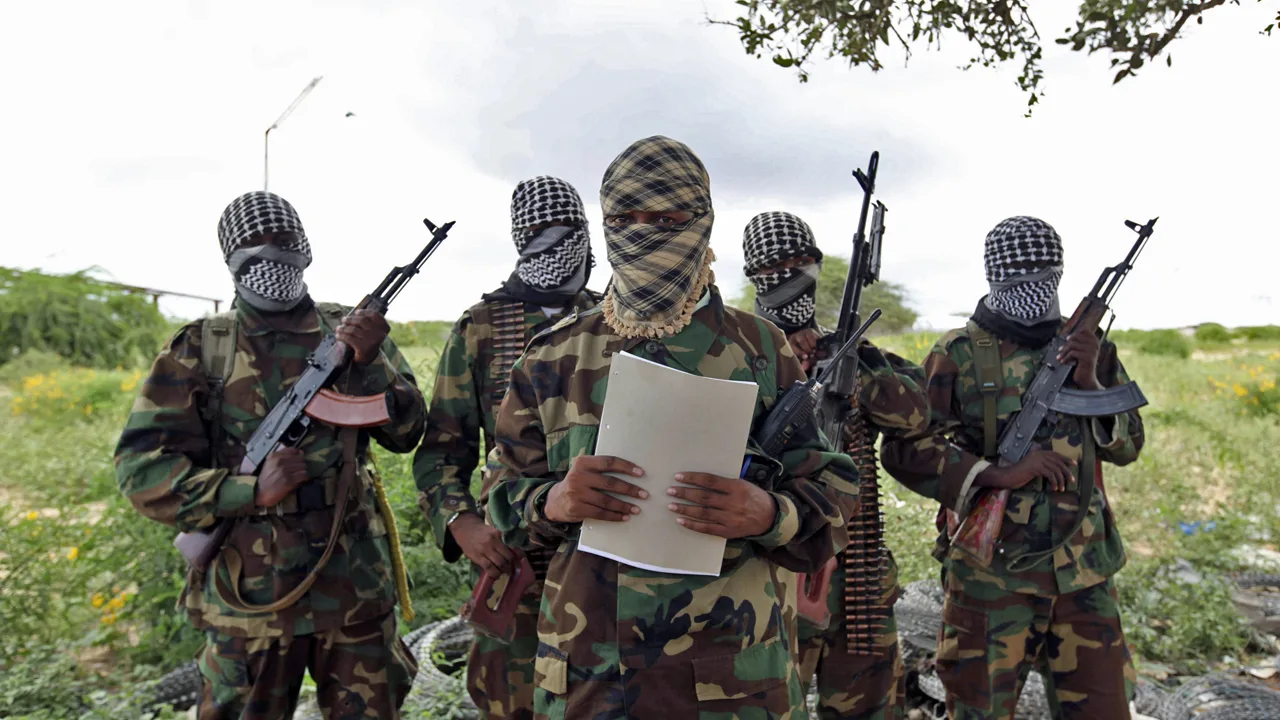
GOOBJOOG NEWS|MOGADISHU: A new study released by the Mogadishu-based Saldhig Institute argues that Al-Shabaab’s ability to survive nearly two decades of military campaigns is rooted less in battlefield strength than in its capacity to continually adapt to changing political, military and social conditions.
The 54-page report, titled Al-Shabaab’s Evolution: Strategic or Forced?, examines how the militant group has transformed its operations, governance, recruitment and military strategy while responding to pressure from Somali security forces, African Union missions and international partners.
Drawing on interviews with intelligence sources, security experts and around a dozen current and former Al-Shabaab officials, the researchers argue that understanding the group’s evolution is essential to assessing Somalia’s long-running security challenge. The report combines insider testimony with strategic and historical analysis covering the group’s development over nearly twenty years.
Rather than portraying Al-Shabaab solely as an armed insurgency, the study concludes that the group has gradually evolved into what it describes as a hybrid organisation, blending armed conflict with governance, taxation, judicial functions, social influence and media operations. According to the report, these adaptations have enabled the group to remain resilient despite sustained military pressure.
The report suggests that Al-Shabaab has increasingly shifted from attempting to hold territory through conventional warfare to pursuing a long-term strategy focused on endurance, flexibility and exploiting weaknesses in its adversaries. It also examines how the group has modernised its communications, intelligence gathering and administrative systems while adjusting its approach to local communities and recruitment.
Researchers also explore how regional developments, including changes in African Union security missions, the Somali government’s 2022 offensive, advances in military technology and evolving regional relationships, have influenced the group’s strategic thinking. The study further assesses Al-Shabaab’s ties with al-Qaeda and its emerging relationship with Yemen’s Houthi movement, arguing that these developments reflect a broader pattern of organisational adaptation.
While the report stops short of predicting the group’s ultimate trajectory, it argues that Al-Shabaab’s future will largely depend on its ability to continue adapting to changing domestic and regional dynamics. The institute says effective counter-insurgency efforts require a deeper understanding of how the organisation thinks, governs and evolves, rather than viewing it solely through the lens of military operations.
Tomorrow’s second instalment will examine how the report says Al-Shabaab has transformed its military doctrine, intelligence capabilities and battlefield tactics, and what those changes mean for Somalia’s security landscape.